
Furnace Repair in Pickerington, OH
Furnace repair experts in Pickerington, OH. We diagnose heat, ignition, and safety issues and deliver reliable repairs. Schedule now.

Furnace Repair in Pickerington, OH
A malfunctioning furnace in Pickerington, OH is more than an inconvenience — it can affect safety, comfort, and energy bills during the long Ohio winter.
Why furnace repair matters in Pickerington
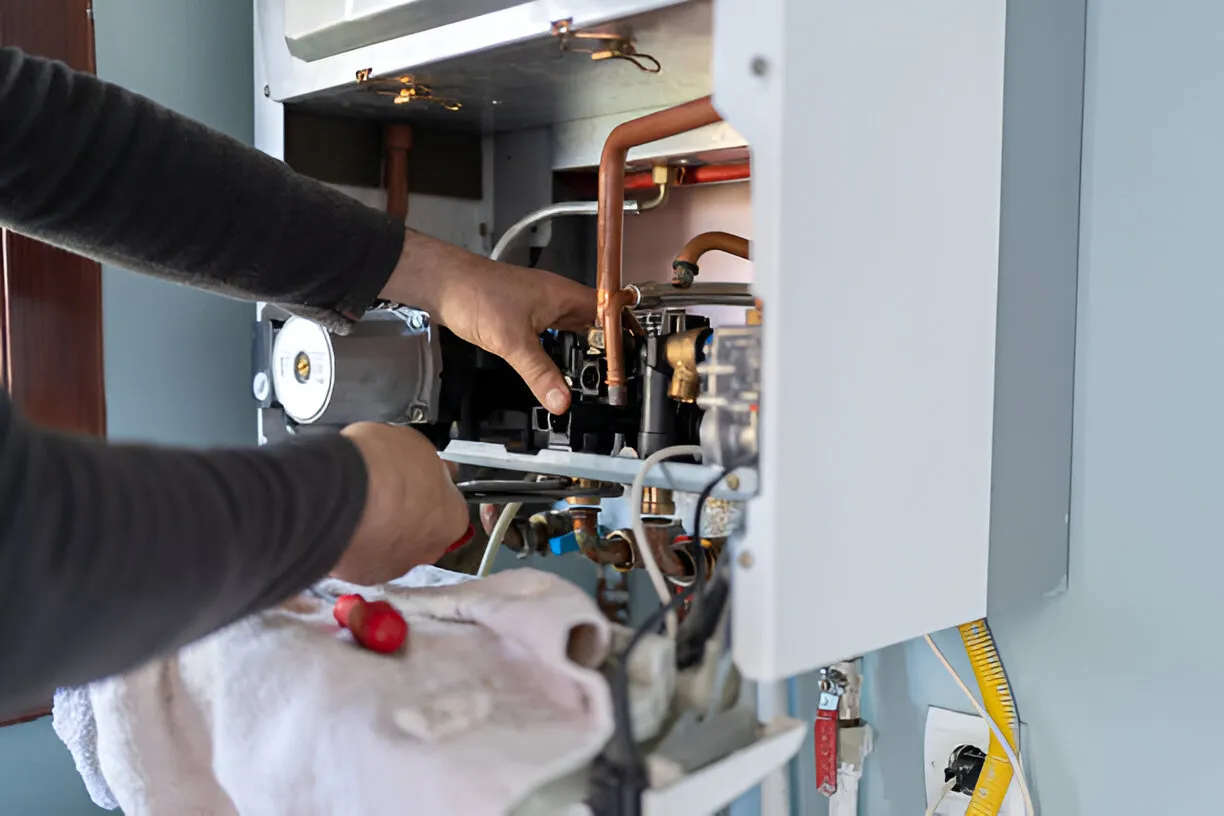
Pickerington’s cold winters put heavy demand on residential furnaces. Older homes and high-usage systems are more prone to component wear, and freeze-thaw cycles can stress vents and ignition systems. Prompt, professional furnace repair preserves safety (carbon monoxide risk), restores reliable heat, and prevents higher energy costs from inefficient operation.
Common furnace issues in Pickerington homes
- No heat or intermittent heating: Often caused by thermostat problems, a failed igniter/pilot, gas valve faults, or control board errors.
- Blower runs but no warm air: Could indicate a failing heat exchanger, blocked burners, or improper gas pressure.
- Frequent cycling or short-cycling: Caused by clogged filters, restricted airflow, oversized systems, or failing limit switches.
- Unusual noises: Squeals, rattles, or banging may point to a worn blower motor, loose panels, or failing inducer/supply components.
- Pilot or ignition failures: Electronic igniters and flame sensors wear out over time, especially with frequent start-stop cycles.
- Odors or fuel smell: Could signal dirty burners, burning dust after long idle periods, or — in the worst case — a gas leak. Any persistent fuel smell requires immediate safety precautions.
- Carbon monoxide or combustion issues: Cracked heat exchangers or blocked vents can allow combustion gases indoors and require urgent testing.
Diagnostic approach: what technicians check
A systematic diagnostic saves time and prevents unnecessary repairs. Typical steps include:
- Visual inspection of the furnace cabinet, burners, wiring, and venting for corrosion, leaks, or soot.
- Thermostat verification and control-board diagnostics to confirm signals and error codes.
- Filter and airflow assessment; duct checks for blockages.
- Ignition testing: electronic igniter health and flame sensor readings.
- Motor and blower inspection using amp draws and vibration checks.
- Combustion analysis and venting inspection for proper draft and safe exhaust.
- Carbon monoxide testing around the unit and living space when combustion issues are suspected.
Technicians combine these checks with homeowner symptom descriptions to isolate the root cause quickly.
Repairs by component (what’s typically serviced)
- Blower and motors: Repair or replacement of blower motors, capacitors, belts (where applicable), and bearings. Cleaning and balancing to reduce noise and improve airflow.
- Heat exchangers: Cracked heat exchangers are a critical safety concern. Small cracks can sometimes be isolated, but major damage usually requires replacement of the heat exchanger or the furnace. Technicians perform pressure and visual tests to confirm integrity.
- Igniters and pilots: Electronic igniters and pilot assemblies are common failure points. Replacement restores reliable ignition; technicians will also check the flame sensor and clean or replace as needed.
- Control boards and electrical components: Diagnosis and repair of control boards, relays, transformers, and wiring. Replacing burned or faulty controls solves many intermittent or non-start issues.
- Gas valves and regulators: Proper gas pressure and valve operation are essential. Technicians test for leaks, measure pressure, and repair or replace faulty valves.
- Inducer and venting components: Inducer motors and venting can become blocked or fail, leading to improper combustion. Repairs include cleaning, replacement, and vent re-sealing.
Safety testing and verification
After repairs, thorough safety checks confirm the system is operating safely and efficiently:
- Carbon monoxide testing at the furnace and in living spaces.
- Combustion analysis to verify correct fuel-to-air ratios and safe exhaust.
- Gas leak checks with electronic detectors.
- Venting and flue integrity tests to ensure proper draft and no blockages.
- Functional tests for limit switches, safety interlocks, and thermostat response.
Technicians document results and explain any safety concerns found during testing.
Typical repair timelines
Repair time depends on the issue and parts availability. Many common repairs (filters, igniters, flame sensors, capacitors, control resets) are completed in a single service visit, often a few hours. More extensive work — heat exchanger repair or major control-board replacement — may require parts ordering and can extend the timeline to multiple days. Weather, model availability, and system accessibility (closets, basements) also influence scheduling.
Warranty coverage and paperwork
Furnace components usually carry manufacturer parts warranties; labor coverage is separate and varies. Keep your furnace model information, installation date, and any maintenance records handy; these documents affect warranty eligibility. For ongoing protection, maintain regular service records — many manufacturers require annual maintenance to keep warranties valid. When repairs involve replaced parts, technicians will note the parts warranty period and any labor warranty separately.
Emergency furnace repair options and homeowner safety
Emergency furnace failures during subzero nights are common in Pickerington. When a furnace stops producing heat and temperatures are dangerously low:
- If you suspect a gas leak or persistent fuel smell, evacuate the home and contact emergency services.
- If there’s no obvious gas smell but the home is losing heat rapidly, consider safe interim options: layer clothing, use safe space-heating devices per manufacturer instructions, and keep doors closed to reduce heat loss. Never use cooking appliances for home heating.
- Technicians can prioritize emergency calls when safety issues (gas leaks, CO detection, major heat exchanger failure) are present. Emergency repair availability varies, so documenting symptoms and remaining with the home for technician arrival (if safe) helps resolve issues quickly.
Preventive maintenance to reduce future repairs
- Schedule annual professional inspections before heating season to catch worn parts, clean burners, and verify combustion safety.
- Replace filters regularly (every 1–3 months depending on system and household conditions) to prevent blower strain and maintain airflow.
- Keep vents and returns clear of furniture and debris.
- Monitor for early warning signs: uneven heating, rising energy use, unusual noises, or increased cycling. Addressing these quickly lowers the likelihood of emergency failures.
- Maintain records of all service visits and parts replaced to support warranties and informed decisions on repair vs replacement.
Benefits of timely furnace repair
Prompt and proper furnace repair restores safe, reliable heat, improves energy efficiency, and extends equipment life — especially important in Pickerington where winters are long and cold. Addressing problems early reduces the risk of unsafe conditions like carbon monoxide exposure and prevents more costly replacements caused by neglect.
For homeowners in Pickerington, regular maintenance and informed repair decisions keep living spaces comfortable and safe throughout the heating season.
Hot Deals & Cool Savings

.webp)
New Service Agreement Membership
.webp)
Any New Client Service
Next Service for Referring a New Client
New Service Agreement Membership
Any New Client Service
Next Service for Referring a New Client
.webp)
.webp)

Service Areas
