
Furnace Repair in Reynoldsburg, OH
Furnace repair in Reynoldsburg, OH with expert diagnostics, safety checks, and fast emergency service. Schedule a repair today for reliable heat.

Furnace Repair in Reynoldsburg, OH
A reliable furnace is essential for Reynoldsburg homes during Ohio winters. When a furnace fails, it is not just inconvenient — it can be a safety risk and lead to higher energy bills.
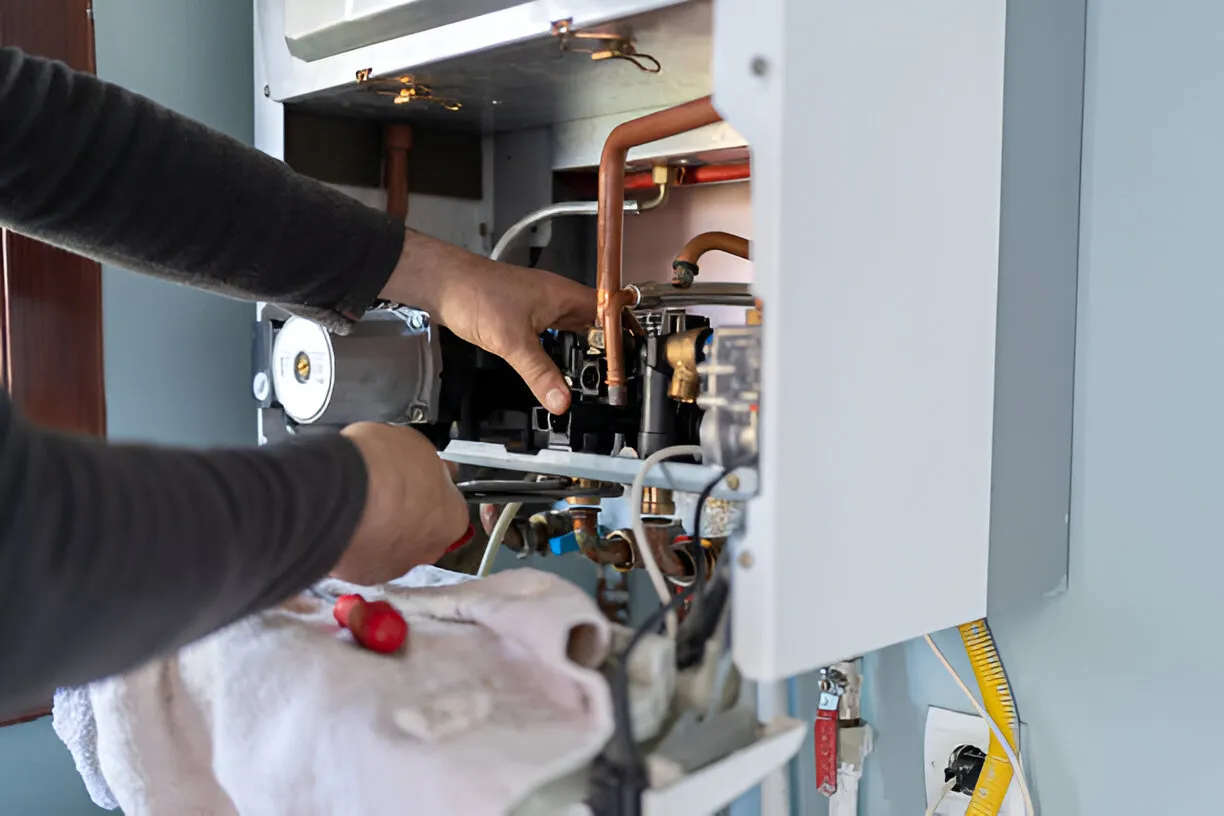
Common furnace problems in Reynoldsburg homes
Homes in Reynoldsburg often experience increased heating demand through cold months, which exposes several recurring issues:
- Ignition failures - Hot surface igniters or pilot systems that fail to light are among the most frequent causes of no-heat calls in gas furnaces.
- Blower motor and fan problems - Worn bearings, failed capacitors, or clogged blower wheels cause weak airflow, unusual rattling, or a motor that will not start.
- Cracked or corroded heat exchangers - Age, poor combustion, or corrosion can lead to hairline cracks that risk combustion gas leaks.
- Short cycling - Furnace turns on and off rapidly due to airflow restrictions, a failing thermostat, or safety limits tripping.
- Thermostat and control board faults - Faulty signals, loose wiring, or failed electronic controls can prevent proper furnace operation.
- Airflow and duct problems - Dirty filters, blocked return vents, or disconnected ducts produce uneven heat and stress HVAC components.
- Unusual noises and odors - Squealing, banging, or the smell of burning plastic indicate mechanical or electrical problems that need immediate attention.
How furnace diagnostics are performed
A methodical diagnostic approach identifies the root cause quickly and safely:
- Intake and visual inspection - Check filters, vents, burner condition, wiring, and the cabinet for obvious issues.
- Ignition system check - Test the hot surface igniter, pilot assembly (if present), flame sensor, and gas valve operation. Ignition components are examined for wear and measured with diagnostic tools when needed.
- Blower and electrical testing - Inspect the blower motor, capacitor, belt (if applicable), and control relays. Voltage and current readings identify intermittent or failing motors.
- Heat exchanger inspection - Use visual inspection, borescopes, and combustion testing to detect cracks, corrosion, or deformation in the heat exchanger.
- Combustion analysis and venting - Evaluate flame quality, CO levels, draft, and venting clearances to ensure proper combustion and safe exhaust.
- System performance and safety checks - Run the unit through a full cycle while monitoring temperatures, pressures, safety switches, limit controls, and thermostat response.
Technicians in Reynoldsburg factor local conditions such as cold snaps, humidity, and common home ages and construction when diagnosing to avoid recurrent failures.
Carbon monoxide and combustion safety checks
Safety testing is non-negotiable in furnace repair:
- Carbon monoxide (CO) measurement - Combustion analyzers measure CO and oxygen levels in flue gases to detect dangerous leaks or incomplete combustion. Readings outside safe limits require immediate correction.
- Flue draft and vent inspection - Proper venting prevents backdrafts that can force combustion gases, including CO, back into living spaces.
- Leak and odor checks - Inspect for gas smells, pipe connections, and control valve integrity. Any evidence of gas leakage leads to shutting down the system until repairs are complete.
- Post-repair verification - After repairs, technicians re-run combustion and CO tests to confirm safe operation before returning the furnace to service.
Repairs, parts, and warranty considerations
Common repair actions and parts considerations include:
- Ignition components - Replacing hot surface igniters, flame sensors, or pilot assemblies is common and typically straightforward.
- Blower motor service - Motors, capacitors, and blower wheels are repaired or replaced depending on damage and age. Matching the correct motor and capacitor values is critical for reliable operation.
- Heat exchanger outcomes - If a heat exchanger is cracked or severely corroded, replacement of the exchanger or the entire furnace is often recommended because repairs are rarely reliable long term.
- Control boards and gas valves - Electronic components can fail from power surges or age and are replaced with OEM or compatible parts.
- Parts selection and warranties - OEM parts typically carry manufacturer warranties, while labor warranties vary by installer. Keep documentation for any replacement parts and note manufacturer serial numbers and warranty terms. For older systems, technicians will explain the tradeoffs between replacement with new OEM components versus aftermarket options and the associated warranties.
Typical repair timelines and what to expect
Repair timelines depend on the issue and parts availability:
- Minor repairs - Issues like igniter or flame sensor replacement, capacitor swaps, or filter and thermostat adjustments are often completed the same day.
- Moderate repairs - Blower motor replacement or control board swaps can require several hours and sometimes same-day service if parts are on hand.
- Major repairs - Heat exchanger replacement or complex combustion repairs may require more time, special ordering of parts, and scheduling, so expect longer timelines when parts are not locally available.
Technicians provide a diagnostic assessment and expected timeline upfront. Safety-first protocols mean that if a repair cannot be completed immediately and the unit is unsafe, the furnace will be shut down until corrected.
Emergency furnace repair options in Reynoldsburg
Emergencies happen during freezing weather. Emergency response focuses on safety:
- Immediate safety steps - If you smell gas or suspect a CO leak, evacuate the home and ventilate the area when safe. If the furnace is making loud mechanical noises or producing smoke, turn off the unit at the breaker and gas valve if instructed by a qualified technician.
- Temporary measures - Use safe alternative heat sources and monitor doors and windows for drafts. Avoid using open flames or portable generators inside the home.
- Priority response - During cold snaps, expect crews to prioritize emergency calls, and technicians will complete safety checks before performing repairs.
Preventive maintenance and longer term value
Regular maintenance reduces the chance of emergency repairs and preserves system efficiency:
- Replace or clean filters regularly.
- Schedule an annual tune-up before the heating season to inspect combustion, clean burners, check electricals, and test safety controls.
- Consider a maintenance plan that includes seasonal inspections, priority service during peak times, and parts discounts to extend equipment life and improve reliability.
Timely furnace repair in Reynoldsburg, OH protects your family from safety risks, restores comfort quickly during cold weather, and prevents damage that leads to more costly replacements. Understanding diagnostics, safety checks, typical timelines, and warranty realities helps homeowners make informed decisions when addressing furnace problems.
Hot Deals & Cool Savings

.webp)
New Service Agreement Membership
.webp)
Any New Client Service
Next Service for Referring a New Client
New Service Agreement Membership
Any New Client Service
Next Service for Referring a New Client
.webp)
.webp)

Service Areas
