
Furnace Replacement in Reynoldsburg, OH
Furnace replacement in Reynoldsburg, OH: learn when to replace, compare AFUE options, and schedule installation for reliable, efficient heating today.

Furnace Replacement in Reynoldsburg, OH
Replacing a furnace is one of the most important home comfort decisions for Reynoldsburg homeowners. Winters in central Ohio can be cold and prolonged, and an aging or inefficient furnace raises comfort concerns, energy bills, and safety risks.
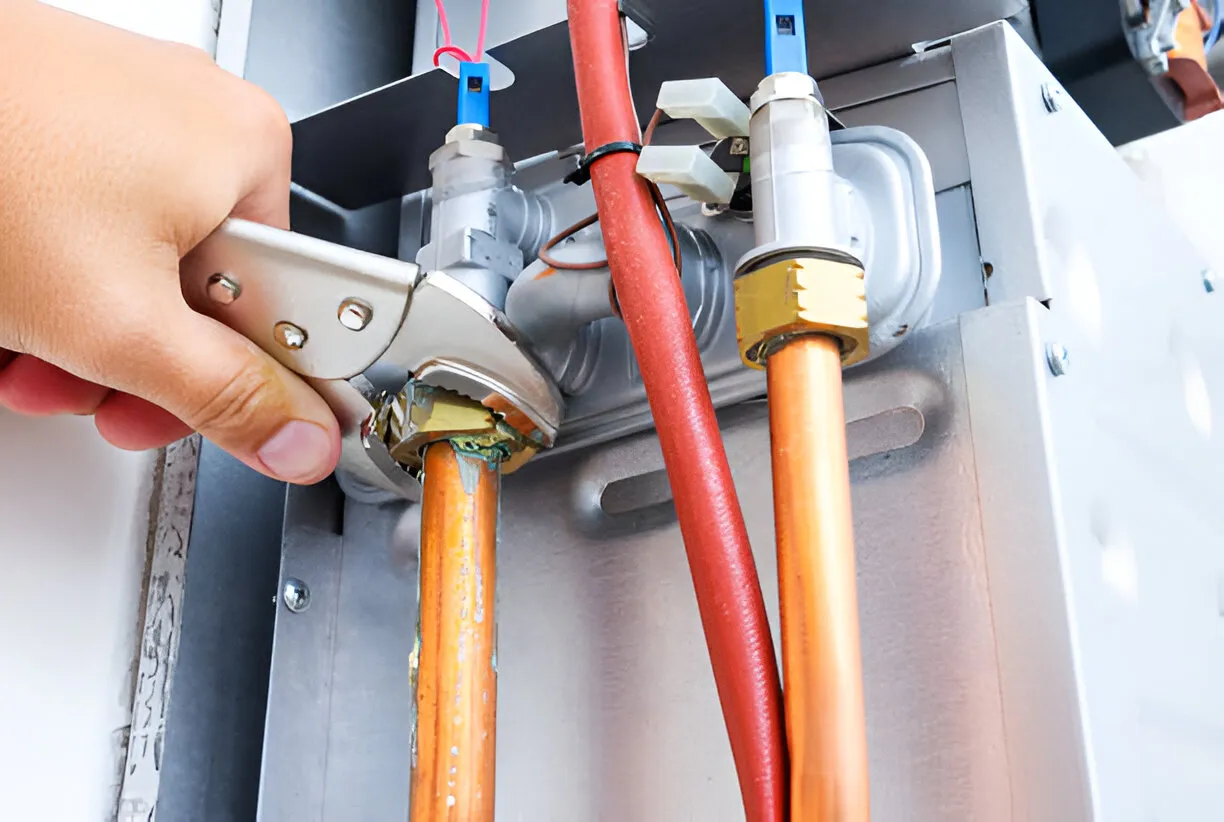
Why replace your furnace now
Many homeowners delay replacement until a breakdown, which often costs more in emergency repairs, discomfort, and higher monthly bills. Common reasons to consider furnace replacement in Reynoldsburg, OH:
- Age: Furnaces older than 15 years often lose efficiency and become unreliable.
- Rising fuel bills: A steady increase in natural gas or electric heating costs despite no change in use usually signals declining efficiency.
- Frequent repairs: When repair costs approach or exceed 50% of a replacement estimate, replacement is the more economical choice.
- Inconsistent heating: Cold rooms, short cycling, or long runtimes indicate the system may be undersized, failing, or incompatible with your home’s envelope.
- Safety concerns: Yellow burner flames, soot, rust, or carbon monoxide alarms point to combustion problems that merit replacement or immediate professional attention.
- Noise and reliability: Loud banging, rattling, or repeated component failures reduce comfort and predictability during cold snaps.
Common furnace replacement options and energy-efficient models
When evaluating new furnaces, Reynoldsburg homeowners should focus on efficiency, modulation, and long-term operating costs:
- AFUE rating: Annual Fuel Utilization Efficiency (AFUE) measures combustion efficiency. Older furnaces may be 60–80% AFUE; modern condensing furnaces reach 90% to 98% AFUE, cutting fuel use substantially.
- Single-stage vs. two-stage vs. modulating: Two-stage and modulating gas valves deliver better temperature control and quieter operation, improving comfort in homes with variable heat loads.
- Variable-speed blower motors: ECM or variable-speed motors maintain more even airflow, improve filtration, and can be more energy-efficient than single-speed blowers.
- Alternative systems: In some Reynoldsburg homes, high-efficiency heat pumps or hybrid systems (heat pump + gas furnace) may offer better year-round efficiency—especially when paired with a well-sealed, insulated home.
Sizing and ductwork considerations for Reynoldsburg homes
Proper sizing and ductwork are critical to performance and efficiency:
- Manual J sizing: A professional load calculation (Manual J) accounts for local climate, insulation levels, window types, orientation, attic conditions, and occupancy to size the furnace correctly. Oversized units short-cycle; undersized units run continually.
- Duct condition: Many older central Ohio homes have leaky or poorly insulated ducts in attics, crawlspaces, or basements. Leaks and improper duct sizing can erode efficiency and comfort even with a new furnace.
- Static pressure and airflow: Upgrading to a higher-efficiency furnace often requires checking and adjusting ductwork, adding or resizing returns, or installing balancing dampers to ensure correct airflows and reduce noise.
- Insulation and air sealing: Combining furnace replacement with targeted air sealing and attic insulation in Reynoldsburg provides the best return on investment by reducing load and improving comfort.
The installation process: what to expect
A professional replacement typically follows these steps to ensure safety, efficiency, and code compliance:
- Pre-install inspection: Evaluate existing furnace, ductwork, venting, gas line capacity, electrical service, and overall home load requirements.
- Sizing and system selection: Confirm Manual J results and select equipment and accessories (thermostat, humidifier, air cleaner) to match needs.
- Removal of old equipment: Safely disconnect and remove the old furnace, addressing any hazardous materials or contaminants.
- Venting and gas/electrical work: Install appropriate venting (condensing furnaces use PVC; non-condensing use metal flues), verify gas line sizing, and upgrade electrical connections as needed.
- Set, connect, and seal: Mount the new furnace, connect ductwork, plenum, condensate drain (if applicable), and flue; seal all connections.
- Startup and testing: Perform combustion and safety tests, measure static pressure and airflow, test thermostat operation, and demonstrate system basics to the homeowner.
- Documentation: Leave owner paperwork, warranty information, and maintenance recommendations.
Most straightforward residential installations are completed within a day, but complexities—like duct redesign, structural access, or chimney modifications—can extend the timeline.
Disposal of the old furnace and environmental considerations
Responsible removal includes:
- Proper recycling: Salvage metal, electronic components, and scrap to reduce landfill waste.
- Safe handling of contaminants: If older equipment contains hazardous materials (e.g., asbestos wrap, oil residues), follow disposal regulations.
- Documented disposal: A reputable installer will remove and recycle the old unit and provide documentation of disposal, which may be required for rebates.
Rebates, financing, and incentives
Reynoldsburg homeowners may qualify for multiple incentive sources:
- Utility rebates and trade-in programs: Natural gas and electric utilities sometimes offer rebates for high-efficiency furnaces or system upgrades.
- State and federal incentives: Energy-efficiency tax credits or programs may apply to qualifying equipment.
- Contractor financing: Many contractors and lenders provide financing options to spread replacement costs.
Availability and eligibility change frequently, so verifying current programs with your utility and tax advisor is recommended.
Expected energy savings and payback
Actual savings depend on current furnace efficiency, household heating patterns, fuel costs, and home efficiency. Typical examples:
- Replacing a 70% AFUE furnace with a 95% AFUE condensing model often reduces gas consumption by roughly 20–35%, depending on usage.
- In a home with annual heating costs of $1,200, a 25% reduction equates to about $300 per year in savings.
- Additional savings come from pairing a new furnace with a programmable/Smart thermostat, duct sealing, and insulation improvements.
Keep in mind that payback periods vary; the greatest long-term value comes from combining equipment efficiency with envelope improvements and proper maintenance.
Maintenance to protect your investment
To maximize lifespan and efficiency:
- Schedule annual professional tune-ups to clean burners, inspect heat exchangers for cracks, test safety controls, and verify combustion efficiency.
- Replace filters regularly—monthly to quarterly depending on filter type and household conditions.
- Monitor for unusual noises, reduced airflow, odor, or frequent cycling and address these issues early.
Modern furnaces properly maintained can reliably serve 15–20 years; proactive maintenance preserves efficiency and safety.
Final considerations for Reynoldsburg homeowners
Furnace replacement in Reynoldsburg, OH improves winter comfort, reduces operating costs, and enhances safety—particularly in central Ohio’s cold climate where reliable heat matters. The best outcomes come from accurate sizing, attention to ductwork and home efficiency, and selecting a system with the right efficiency features for your home and budget. Thoughtful replacement paired with routine maintenance delivers predictable comfort, lower energy bills, and peace of mind through many winters.
Hot Deals & Cool Savings

.webp)
New Service Agreement Membership
.webp)
Any New Client Service
Next Service for Referring a New Client
New Service Agreement Membership
Any New Client Service
Next Service for Referring a New Client
.webp)
.webp)

Service Areas
