
Water Heater Installation in Reynoldsburg, OH
Water heater installation in Reynoldsburg, OH with precise sizing, permits, and expert service. Learn more about upgrading your hot water.

Water Heater Installation in Reynoldsburg, OH
Installing a new water heater is one of the most impactful upgrades you can make for comfort, energy savings, and home safety. In Reynoldsburg, OH, where long cold winters increase hot water demand and freeze risks can affect piping, the right water heater and a professional installation matter.
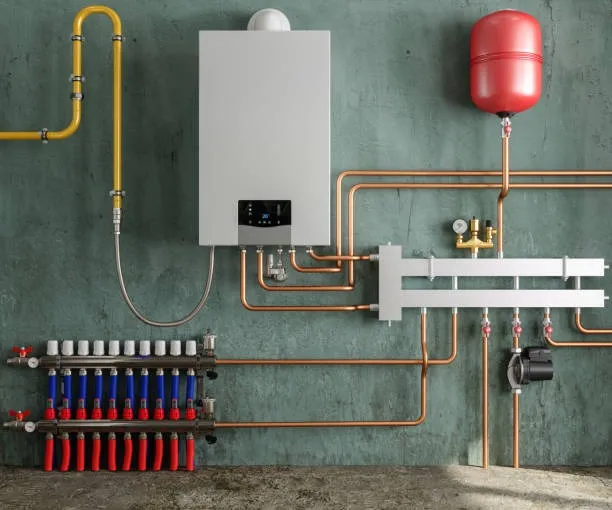
Why a proper installation matters for Reynoldsburg homes
- Ohio winters raise peak hot water use for showers, laundry, and dishwashing, increasing the importance of correct capacity sizing.
- Freeze-prone conditions and variable municipal codes mean site preparation and compliance are critical to avoid leaks, damage, or failed inspections.
- Modern high-efficiency units (including heat pump and condensing models) can lower utility bills in the long run but must be matched to the home’s layout and fuel availability.
Common water heater types and issues in Reynoldsburg
Most homeowners choose among three primary systems:
- Gas (natural gas): Fast recovery and lower operating costs in many cases; common in older Reynoldsburg homes with existing gas lines.
- Electric (standard tank): Lower upfront cost but higher operating expense; easier to install where no gas line exists.
- Propane: Used where natural gas is unavailable; requires safe outdoor tank placement and ventilation considerations.
- Tankless and heat pump (electric) options: Tankless provides continuous hot water but requires adequate gas or electric service and proper venting. Heat pump water heaters are highly efficient in conditioned spaces but need enough ambient heat to operate efficiently.
Typical reasons homeowners replace their water heaters:
- Chronic leaks, rust, or dropping hot water capacity
- Frequent repairs or failing components (thermostats, heating elements, burners)
- Desire for better energy efficiency or space-saving tankless systems
- Upgrades required during a remodel or when converting fuel types
Needs assessment and capacity sizing
A precise sizing assessment prevents short hot-water runs or wasted energy. During an evaluation, consider:
- Household size and typical hot water uses (showers, dishwashers, laundry)
- Peak simultaneous demand (two showers plus laundry, etc.)
- Existing pipe layout and distance from water heater to fixtures
- Fuel availability and utility costs in Reynoldsburg
General guidelines:
- For conventional tanks: choose a tank with a First Hour Rating (FHR) that matches peak use; common sizes for families are 40–80 gallons.
- For tankless: size by gallons-per-minute (GPM) required at peak plus expected temperature rise for Ohio winters.
Comparison of fuel types: gas, electric, propane
- Gas (natural gas): Pros — lower operating cost, quick recovery. Cons — requires venting, professional gas line work, and annual safety checks. Best when natural gas service is present.
- Electric (tank or heat pump): Pros — simpler installation, no combustion emissions in the home. Heat pumps offer excellent efficiency. Cons — higher electricity costs and possible need to upgrade electrical service for electric tankless units.
- Propane: Pros — available where gas mains are not. Cons — ongoing fuel deliveries, safe tank siting, and similar venting requirements to gas units.
Selecting the best fuel type depends on local energy prices, existing infrastructure in Reynoldsburg homes, and homeowner priorities (efficiency, speed of hot water recovery, environmental factors).
Site preparation and code compliance
Proper preparation reduces installation time and inspection issues:
- Verify clearances, combustion air, and venting per code for gas or propane units.
- Confirm electrical service capacity and breaker sizing for electric and heat pump models.
- Ensure proper pan, drain, and flood-protection measures in basements or closets prone to condensation or occasional water accumulation.
- Coordinate with the City of Reynoldsburg building department requirements and any county-level codes for permits and inspections.
Licensed installers follow local plumbing and mechanical codes, confirm vent termination locations, and prepare the site to prevent future leaks or safety hazards.
Step-by-step installation process
- Pre-installation assessment: Confirm size, fuel type, and site readiness.
- Permits: Apply for required permits (plumbing/mechanical/electrical) with local authorities.
- Old unit removal: Safely drain and disconnect the old water heater; remove and transport for disposal or recycling.
- Site prep: Install new pan, update pipe supports, and make any needed gas, vent, or electrical upgrades.
- Mounting and connections: Set tank or mounting bracket (tankless), connect water, gas, and/or electrical lines per code.
- Venting and combustion air: Install approved venting for gas/propane units; verify terminations meet local rules.
- Inspection and commissioning: Schedule inspections, pressure-test connections, and commission the unit with initial startup procedures and temperature settings.
Permits and inspections in Reynoldsburg, OH
Most water heater installations require permits and inspections to ensure safety and code compliance. Typical inspections include:
- Plumbing and mechanical rough-ins and final inspections
- Gas line and venting checks for combustion units
- Electrical inspection for upgraded circuits or new tankless installations
Working with an installer familiar with Reynoldsburg procedures reduces permit delays and helps ensure installations pass on the first inspection.
Post-installation testing and commissioning
After installation, thorough testing is essential:
- Pressure and leak checks on all water and gas connections
- Burner or element operation, thermostat calibration, and temperature-pressure relief valve testing
- Verification of proper vent draft and combustion safety for gas/propane systems
- Demonstration of operation and safety features (expansion tanks, mixing valves) for homeowners
Proper commissioning maximizes performance and validates warranty requirements.
Disposal of the old unit
Old water heaters must be decommissioned and disposed of following local waste regulations. Options include:
- Recycling scrap metal at approved facilities
- Proper draining and municipal disposal if recycling is not available
- Documentation for recycling or disposal may be required by local programs
Recycling reduces landfill waste and may be required by municipal codes.
Warranty, maintenance, and long-term care
- New units come with manufacturer warranties that vary by model and component; keep warranty documentation and registration information.
- Regular maintenance extends life: annual checks for leaks, sacrificial anode inspections on tanks, flushes to remove sediment, and burner/electrode inspections for gas units.
- Consider extended service plans or scheduled maintenance to catch issues early, especially in areas with hard water or older plumbing systems common in some Reynoldsburg neighborhoods.
Financing and rebate information
Homeowners often finance upgrades through:
- Contractor financing plans or home improvement loans
- Home equity lines of credit or personal loans
- Utility payment programs and seasonally available incentives
Reynoldsburg residents should look for federal, state, and local rebates for high-efficiency models (including ENERGY STAR heat pump water heaters) and check with local utilities for rebate programs. Combining rebates with energy savings from efficient systems can substantially reduce lifecycle costs.
Final considerations
Choosing and installing a water heater in Reynoldsburg, OH requires attention to capacity, fuel type, site conditions, and local codes. Proper sizing, professional installation, and regular maintenance not only improve daily comfort but protect your home from leaks and safety risks while maximizing long-term efficiency. For homes facing cold winters, pipe protection and correct venting are especially important to maintain reliable hot water supply throughout the season.
Hot Deals & Cool Savings

.webp)
New Service Agreement Membership
.webp)
Any New Client Service
Next Service for Referring a New Client
New Service Agreement Membership
Any New Client Service
Next Service for Referring a New Client
.webp)
.webp)

Service Areas
