
Water Heater Replacement in Reynoldsburg, OH
Water heater replacement in Reynoldsburg, OH: compare high-efficiency, tankless, and hybrid options, plan installation, and review warranties. Learn more.

Water Heater Replacement in Reynoldsburg, OH
Replacing a failing or aging water heater is one of the most impactful home-improvement decisions for comfort, safety, and long-term energy costs. In Reynoldsburg, OH, where cold winters increase hot-water demand and Ohio’s mineral-rich water can accelerate tank wear, a timely, well-planned water heater replacement protects your home from leaks, improves performance, and can lower monthly utility bills.
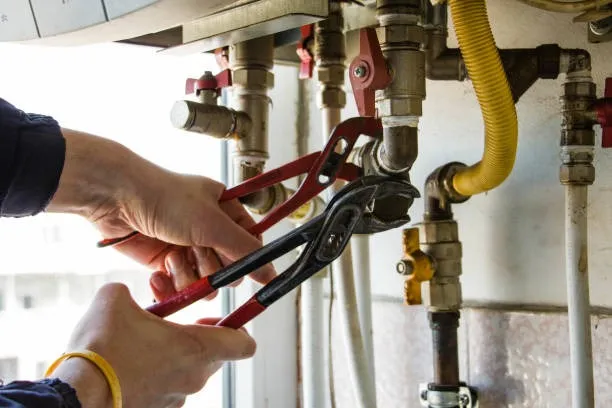
Why replace now: common water heater replacement issues in Reynoldsburg
- Age and corrosion: Most storage tanks start to fail after a decade; visible rust, rusty hot water, or anode rod depletion are clear signs.
- Interior sediment and hard-water buildup: Central Ohio’s mineral content leads to sediment that reduces efficiency and shortens life.
- Leaks and water damage risk: Even small leaks can cause basement damage in Reynoldsburg’s older homes.
- Poor performance: Inconsistent hot water, long recovery times, or frequent pilot/electrical failures signal end of useful life.
- Rising energy bills: Older, low-efficiency units can drive higher heating costs, especially during extended winter usage.
How technicians evaluate condition and remaining useful life
Technicians use a structured assessment to determine whether replacement is necessary and which upgrade makes the most sense:
- Age and serial number review: Manufacturers’ lifespan estimates plus visual condition give an initial estimate.
- Tank inspection: Look for external corrosion, leaking seams, or bulging. Internal integrity is evaluated via anode rod condition and sediment level.
- Operational testing: Thermostat performance, burner or heating element checks, and pressure/temperature relief valve function are tested.
- Water quality assessment: Hardness levels and sediment presence influence replacement choice and recommended water-treatment options.
- Cost-to-replace vs. repair analysis: Technicians discuss expected remaining life after repair and do a lifecycle cost comparison to replacement.
Upgrade options and pros/cons for Reynoldsburg homes
- High-efficiency tank water heaters (upgraded storage tanks)
- Pros: Lower upfront upgrade complexity; familiar installation; improved recovery rates and efficiency compared with old units.
- Cons: Still subject to sediment in hard-water areas; shorter lifespan than tankless.
- Best for: Families wanting a straightforward exchange with better efficiency.
- Larger-capacity storage tanks
- Pros: Increased volume for multi-bath homes or busy winter months in Reynoldsburg; simple swap if space/venting allow.
- Cons: Higher standby heat loss; uses more physical space.
- Best for: Homes with high simultaneous hot water demand and space to install.
- Tankless (on-demand) water heaters
- Pros: Much lower energy use for intermittent demand, compact footprint, longer expected lifespan.
- Cons: Higher upfront equipment and possible retrofit costs (gas line, venting, electrical); performance affected by water hardness and flow rate.
- Best for: Households prioritizing energy savings and space, or those planning for long-term ownership.
- Heat pump (hybrid) water heaters
- Pros: Very high efficiency in suitable spaces, lower operating cost.
- Cons: Require a conditioned or warm space (basement), less efficient in very cold environments; may be affected by Reynoldsburg winter temperatures if not properly sited.
- Best for: Homes with a warm basement and a focus on maximum efficiency.
Lifecycle cost comparison (what to expect)
- Storage tanks tend to be lower upfront but have higher operating costs and shorter lifespans. In Reynoldsburg, increased sediment can lower tank efficiency faster.
- Tankless systems have higher initial cost but lower fuel/electric costs over time and longer life expectancy, often offsetting the upfront premium on multiyear ownership.
- Heat pump models can yield the lowest operating costs in the right location (e.g., a warm basement), but their efficiency varies with ambient temperature.Technicians will present a localized lifecycle comparison that factors local energy prices, expected usage patterns during cold months, and maintenance needs.
Removal and safe disposal of the old unit
- Permits and code compliance: Removal typically follows local building codes for gas, venting, and electrical disconnection.
- Safe disconnection: Gas lines are shut off and capped; electrical feeds are isolated. Remaining water is drained and disposed of per regulations.
- Environmentally responsible disposal: Tanks are drained, recycled where possible (metal recycling), and hazardous components (such as insulation materials or sealed units) are handled according to local rules.
- Cleanup: Areas are checked for leaks or damage; technicians will document the old-unit condition for warranty and disposal records.
Installation timeline and expected downtime
- Standard storage tank replacement: Usually completed within a few hours to half a day for straightforward swaps in existing locations.
- Tankless or major upgrade (venting/gas/electrical work): May take a full day or require two visits if significant home modifications, new venting, or gas-line upsizing is needed.
- Heat pump installations: Time varies with location and any ducting or electrical upgrades; plan on a full-day install in many cases.
- Downtime considerations: Expect brief interruptions to hot water service. Technicians will schedule work to minimize disruption, and in multi-day projects, temporary hot-water alternatives can be discussed.
Warranty transfer, activation, and documentation
- Manufacturer warranty basics: New units include manufacturer warranties for parts and sometimes compressors or heat exchangers. Warranty duration varies by technology type.
- Activation: Proper installation and registration are often required for full coverage; technicians will provide the documentation needed.
- Transferability: If replacing a unit in a recently purchased home, determine whether an existing warranty can be transferred; technicians can help with paperwork and inspection to support warranty claims.
- Service records: Keep installation and commissioning records for future warranty verification and resale value.
Maintenance plans to maximize performance and life
Regular maintenance is essential in Reynoldsburg to combat mineral buildup and winter stresses:
- Annual inspection and tune-up: Includes burner or element checks, thermostat verification, and safety device testing.
- Annual or semi-annual flush: Removes sediment in storage tanks to restore efficiency and prolong life.
- Anode rod checks/replacement: Extends tank life; frequency depends on water hardness.
- Hard-water mitigation: Consider recommending a water softener or targeted filtration to reduce mineral accumulation.
- Planned service agreements: A scheduled maintenance plan helps maintain efficiency, preserve warranties, and detect small issues before they become failures.
Hot Deals & Cool Savings

.webp)
New Service Agreement Membership
.webp)
Any New Client Service
Next Service for Referring a New Client
New Service Agreement Membership
Any New Client Service
Next Service for Referring a New Client
.webp)
.webp)

Service Areas
