
Water Heater Repair in Reynoldsburg, OH
Water heater repair in Reynoldsburg, OH offers fast on-site diagnostics and reliable fixes. Learn more and schedule service today.

Water Heater Repair in Reynoldsburg, OH
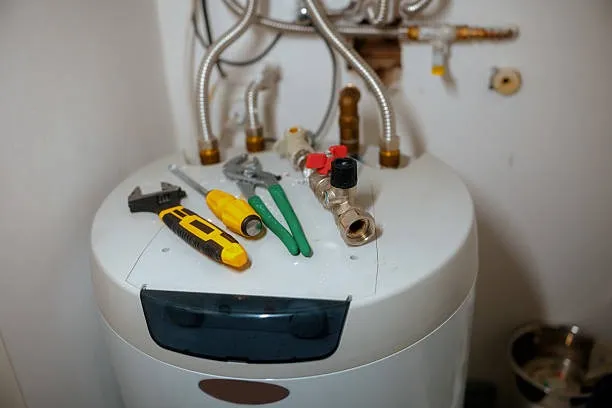
When your water heater fails, it affects everyday life immediately — from showers to dishwashing to commercial needs. Water Heater Repair in Reynoldsburg, OH focuses on fast, accurate diagnostics and lasting repairs for both residential and commercial systems.
Why local conditions matter
Reynoldsburg experiences cold winters and hard water conditions typical of the Columbus area. Hard water speeds sediment buildup in tanks and accelerates anode rod depletion, which leads to early corrosion and performance loss. Colder incoming water increases heating workload in winter, so systems show problems faster when demand rises. These regional factors make timely repair and targeted maintenance especially important for Reynoldsburg properties.
Common water heater problems in Reynoldsburg
- No hot water: Often caused by failed heating elements (electric), burner or gas control issues (gas systems), or pilot/ignition failures. In commercial settings, oversized demand or failed controls may be the culprit.
- Inadequate hot water: Sediment-clogged tanks, faulty thermostats, broken dip tubes, or undersized units relative to household needs.
- Leaks: Corroded tank walls, loose fittings, failed valves (pressure relief valve or drain valve), or connections at plumbing lines.
- Pilot or ignition failures: Dirty pilot assemblies, faulty thermocouples, gas supply problems, or electronic ignition failures.
- Strange noises: Popping or rumbling usually indicates sediment buildup; hissing may indicate leaks or pressure issues.
- Fluctuating temperature or frequent cycling: Thermostat issues, short-cycling due to oversized or malfunctioning controls, or buildup around heating elements.
On-site troubleshooting and diagnostic process
Technicians follow a structured diagnostic routine to identify root causes and avoid unnecessary parts replacement:
- Visual inspection of the unit, connections, venting, and surrounding piping for corrosion, leaks, or improper installation.
- Fuel and power checks to verify gas supply, pilot flame or ignition sequence, and electrical continuity and voltage for electric heaters.
- Water temperature and flow tests, including measuring outlet temperature, checking dip tube integrity, and testing thermostats and controls.
- Pressure and safety valve testing to ensure the temperature and pressure relief valve operates correctly.
- Sediment assessment by inspecting the drain output and using borescope or drain sampling for heavy buildup.
- Noise source identification by replicating operating conditions and observing burner or element behavior.
- Diagnostic reporting that explains findings, repair options, and likely outcomes so building owners can make informed decisions.
Typical repairs and parts replaced
Common parts that are inspected and repaired or replaced on-site include:
- Heating elements (electric): Replace worn or burned-out elements to restore heating capacity.
- Thermostats and temperature controls: Calibrate or replace to correct inconsistent temperatures.
- Anode rod: Replace a depleted anode rod to slow tank corrosion and extend life.
- Pressure relief valve and drain valve: Replace faulty safety valves to prevent overpressure and leaks.
- Dip tube: Replace broken dip tubes that cause cold water layering and reduced hot water delivery.
- Gas control valve / gas valve assembly: Replace malfunctioning valves affecting gas flow or safety shutoff.
- Pilot assembly and thermocouple / ignition components: Clean or replace for reliable ignition.
- Tank repairs or replacement: In cases of irreparable corrosion or leaks, replacement is recommended for safety.
- Sediment flush and element cleaning: Remove scale buildup to restore efficiency and reduce noise.
For commercial systems, additional components such as mixing valves, control modules, and circulation pumps are commonly inspected and serviced.
Emergency repair availability and response times
Emergency water heater issues such as major leaks, no hot water in commercial kitchens, or gas leaks require rapid response. Typical response expectations in Reynoldsburg:
- Emergency situations: Often addressed within 2 to 4 hours when technicians are available locally.
- Same-day repairs: Many urgent but non-life-threatening issues can be scheduled for same-day service.
- Routine repairs: Non-urgent diagnostics and repairs are commonly scheduled within 24 to 48 hours depending on parts availability.
Technicians carry common replacement parts for quick fixes; complex repairs may require ordering parts and scheduling a follow-up visit.
Warranty and service guarantee information
Professional repair services typically provide:
- Workmanship guarantee covering labor for a specified period after repair (length varies by provider).
- Parts warranty that aligns with manufacturer warranties on replaced components.
- Transparency on warranty coverage before work begins so property owners understand what is protected.
Ask for clear documentation of warranty terms and keep receipts and service records to preserve any manufacturer warranties on the water heater.
Preventive maintenance tips to extend system life
Regular maintenance is the most cost-effective way to avoid emergency repairs in Reynoldsburg’s climate:
- Annual inspection and flush: Flushing the tank annually removes sediment that causes noise and reduces heating efficiency.
- Anode rod check every 1-3 years: Replace when heavily corroded to prevent tank failure.
- Test temperature and pressure relief valve annually to ensure safety operation.
- Lower thermostat to 120 F where appropriate to reduce scale formation and scald risk while saving energy.
- Install or maintain a water softening solution if hard water is present to reduce scale and extend component life.
- Check venting and combustion air for gas units to ensure safe, efficient operation, particularly before winter.
- Insulate accessible pipes and the tank (where appropriate) to reduce heat loss and cycling in cold months.
What to expect during a service visit
A professional water heater repair visit typically includes:
- Brief review of the problem and any recent changes or symptoms.
- Full diagnostic inspection with tests performed while you observe.
- Clear explanation of findings and recommended repair options, including associated parts and estimated timeline for completion.
- On-site repair when possible, with documentation of work completed and maintenance tips provided.
Timely repairs and regular maintenance reduce the likelihood of costly failures, improve energy efficiency, and maintain safe operation for both residential and commercial properties in Reynoldsburg, OH. Addressing small issues early prevents major interruptions to daily life and business operations, and keeps water heaters functioning reliably through seasonal demand changes.
Hot Deals & Cool Savings

.webp)
New Service Agreement Membership
.webp)
Any New Client Service
Next Service for Referring a New Client
New Service Agreement Membership
Any New Client Service
Next Service for Referring a New Client
.webp)
.webp)

Service Areas
