
IAQ Products in Harrisburg, OH
IAQ products in Harrisburg, OH improve comfort and health—installations, maintenance, and testing included. Learn more about optimized home air quality.

IAQ Products in Harrisburg, OH
Indoor air quality directly affects comfort, health, and the longevity of your home. In Harrisburg, OH, seasonal humidity swings, pollen in spring, cold dry winters, and older homes with basements and older HVAC systems create unique indoor air challenges.
Which IAQ products solve common problems in Harrisburg homes
- Air purifiers (portable and whole-home): Reduce airborne particles like dust, pollen, pet dander, and fine particulates. Ideal for allergy season and for homes with smokers or wood-burning stoves.
- Humidifiers (whole-house and portable): Restore moisture during winter heating to reduce dry skin, static, and wood shrinkage. Recommended for homes with forced-air heat.
- Dehumidifiers (portable and whole-house): Control excess moisture in basements and ground-level living spaces during humid Ohio summers and damp fall conditions to limit mold and mildew.
- Ventilation systems (ERV/HRV and ducted fresh-air systems): Bring controlled fresh air into tight, energy-efficient homes while exchanging heat and moisture where appropriate.
- Filtration upgrades (high-efficiency furnace/air-handler filters, MERV upgrades, media filters): Improve airborne particle capture in ducted systems without compromising airflow.
- Targeted technologies (activated carbon, UVGI, bipolar ionization, HEPA attachments): Address specific needs such as odors, VOCs, microorganisms, and ultrafine particles.
How each product improves home air quality
- Air purifiers with true HEPA capture 99.97% of particles 0.3 microns and larger; paired with activated carbon they also reduce odors and many VOCs.
- Humidifiers maintain indoor relative humidity between 30% and 50%, balancing comfort and reducing dust-mite proliferation while avoiding excess humidity that promotes mold.
- Dehumidifiers are rated in pints per day; properly sized units keep basements and crawl spaces below 60% relative humidity to limit mold growth.
- ERV (energy recovery ventilator) or HRV (heat recovery ventilator) systems provide controlled ventilation with heat (and sometimes moisture) exchange—helpful in cold winters and humid summers respectively.
- Higher-MERV filters (MERV 8–13 for residential HVAC; MERV 13–16 for higher particle capture) remove more airborne particulates before air circulates through living spaces.
Technology and specification comparisons
- HEPA vs electrostatic vs electronic air cleaners:
- HEPA: Consistent mechanical filtration, best for particulates; no ozone.
- Electrostatic/electronic: Can be effective but require maintenance and some models produce ozone; verify ozone emissions.
- Activated carbon vs catalytic VOC removal:
- Activated carbon: Good for common household odors and many VOCs; capacity depends on bed depth.
- Catalytic/advanced sorbents: Better for specific gases; used where VOCs are persistent.
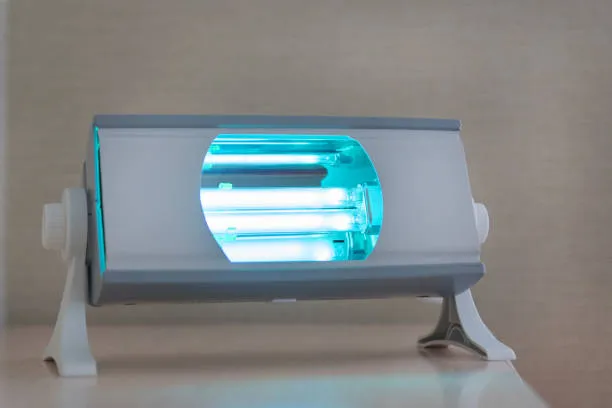
- UVGI (ultraviolet germicidal irradiation):
- Effective at inactivating certain microbes when installed correctly in ducts or near coils; requires proper sizing and periodic bulb replacement.
- Ionization and bipolar ionization:
- Can reduce some particulates but effectiveness varies; some systems have been associated with ozone generation—look for CARB compliance and third-party test data.
- Ventilation: ERV vs HRV
- ERV transfers both heat and moisture—preferred in mixed-humid climates.
- HRV transfers heat only—preferred in dry, cold conditions.
Key performance metrics to compare:
- CADR (Clean Air Delivery Rate) for portable purifiers: higher CADR = faster cleaning for smoke, dust, and pollen.
- ACH (Air Changes Per Hour): whole-home systems and purifiers are sized to achieve target ACH (often 4–6 ACH for allergy relief).
- MERV rating: indicates particle capture efficiency; balance high MERV with HVAC blower capacity.
- Pints/day for dehumidifiers and calculated humidifier output for room or whole-house sizing.
- AHAM and CARB or UL listings: look for industry-verified performance and ozone safety where relevant.
Installation considerations and common requirements
- Ducted IAQ upgrades (media filters, whole-house humidifiers/dehumidifiers, ERV/HRV):
- Require access to HVAC plenum and ductwork; professional airflow and pressure checks ensure system balance.
- Electrical connections and drain lines (for dehumidifiers and some humidifiers) must meet local code.
- Portable units:
- Best for targeted rooms; ensure correct sizing by CADR and room square footage.
- Require simple electrical outlet access and periodic filter changes.
- Placement matters:
- Purifiers perform best in central living spaces or bedrooms; dehumidifiers in basements/crawlspaces.
- Ventilation systems are installed with short runs of ducting to exterior intake/exhaust and require appropriate clearances.
- Compliance and permits:
- Some whole-house mechanical ventilation installations may require permits or follow ASHRAE 62.2 guidance for adequate ventilation rates.
Maintenance and service expectations
- Replace standard HVAC disposable filters every 3 months (or sooner for MERV 13+ under heavy use).
- Media filters and whole-house filter assemblies typically need professional inspection annually.
- HEPA and carbon filter modules: change intervals vary — commonly 6–12 months depending on use and pollutant load.
- Humidifier maintenance: seasonal cleaning, wick/pad replacement annually, winter shutoff for whole-house units as required.
- Dehumidifier maintenance: clean condensate trays, check drain lines, and service compressors as recommended (annual inspection).
- ERV/HRV maintenance: quarterly filter checks, annual core cleaning or replacement depending on model.
- UVGI: bulb replacement on the manufacturer’s schedule (often yearly) and lens cleaning.
Certifications and performance assurances to request
- HEPA standard certification or third-party test data showing 99.97% at 0.3 microns.
- AHAM Verifide CADR numbers for portable air purifiers.
- CARB compliance for devices marketed as ozone-safe.
- MERV rating clearly indicated and tested for furnace filters.
- ENERGY STAR on applicable fans and dehumidifiers for energy efficiency.
- Manufacturer warranty and documented installation test reports (airflow, static pressure, ACH) for whole-house systems.
Frequently asked questions (IAQ Products in Harrisburg, OH)
- What size air purifier do I need for my living room?
- Use CADR ratings and target an ACH of at least 4 for allergy relief. Match purifier CADR to room square footage; manufacturers provide sizing charts.
- Should I get a humidifier or a dehumidifier?
- In winter, many Harrisburg homes benefit from humidification to reach 30–50% RH. In summer or damp basements, dehumidification keeps humidity below 60% to prevent mold.
- Will a HEPA filter remove VOCs and odors?
- HEPA removes particles. For VOCs and smells, pair HEPA with activated carbon or other gas-phase sorbents.
- Are ionizers safe?
- Some ionizers produce ozone. Choose systems with independent test data and CARB or UL ozone safety listings.
- How often should I service an ERV or HRV?
- Check filters quarterly and schedule a full service annually to clean cores, check motors, and verify airflow.
- Can filtration upgrades affect my HVAC performance?
- Higher-MERV filters can increase static pressure. A professional should assess blower capacity and may recommend a media cabinet or upgraded blower.
- Do I need professional installation for whole-house systems?
- Yes. Proper duct connections, balancing, and electrical work are critical to performance and safety.
- What indoor humidity is ideal for Ohio winters?
- Aim for 30–40% during very cold outdoor temperatures to prevent condensation on windows while keeping comfort.
- How do I know if my purifier is working?
- Look at CADR-rated performance, verify ACH targets, and check reduction in visible dust, odors, or reported symptoms over time.
- Are there financing or payment options available?
- Financing and payment solutions vary by installer and product vendor; confirm available options with a provider.
Why invest in IAQ products in Harrisburg, OH? Local climate and home construction patterns make proactive IAQ measures effective at improving comfort, reducing allergy triggers during pollen seasons, minimizing mold risk in basements, and maintaining indoor humidity year-round. By comparing technologies, checking certifications and verified metrics, and following recommended installation and maintenance practices, you can select the right combination of IAQ products to meet your home’s specific needs.
Hot Deals & Cool Savings

.webp)
New Service Agreement Membership
.webp)
Any New Client Service
Next Service for Referring a New Client
New Service Agreement Membership
Any New Client Service
Next Service for Referring a New Client
.webp)
.webp)

Service Areas
