
IAQ Products in Lancaster, OH
IAQ installation options in Lancaster, OH improve air quality with purifiers, humidifiers, and ventilation upgrades. Learn more about tailored solutions today.

IAQ Products in Lancaster, OH
Indoor air quality matters in Lancaster, OH. Seasonal pollen, humid summer months, cold winter air that drives higher indoor pollutant concentrations, and older homes with basements or crawlspaces all contribute to common indoor air problems.
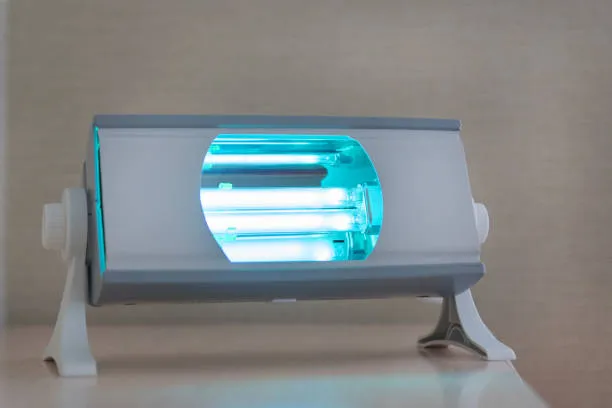
Why IAQ products matter in Lancaster, OH
Lancaster’s climate and housing stock create specific indoor air challenges. High summer humidity and frequent spring and fall pollen spikes increase allergy and mold risk. Older homes with limited ventilation can accumulate volatile organic compounds (VOCs) from paints and household products, while tight winter weather sealing can trap particulates and moisture. The right combination of air purifiers, filters, humidifiers, dehumidifiers, and ventilation upgrades reduces symptoms, protects belongings, and improves comfort across seasons.
Common IAQ problems in Lancaster and which product fixes them
- Allergens (pollen, dust mites, pet dander)
- Best products: HEPA air purifiers, high-MERV HVAC filters, whole-house air cleaners
- Mold and excess moisture in basements and crawlspaces
- Best products: Dehumidifiers, exhaust fans, improved crawlspace ventilation
- Dry winter air causing dry skin, static, respiratory irritation
- Best products: Whole-house humidifiers, portable humidifiers with hygrostat control
- VOCs from renovations, cleaning products, furniture
- Best products: Air purifiers with activated carbon or catalytic VOC adsorption, increased ventilation
- Poor ventilation and stale indoor air
- Best products: Energy recovery ventilators (ERVs), heat recovery ventilators (HRVs), ducted or standalone mechanical ventilation
Product types and key specifications compared
- HEPA Air Purifiers
- What they solve: Removes 99.97 percent of particles 0.3 microns and larger, effective for pollen, dust, pet dander.
- Specs to compare: CADR (clean air delivery rate), room coverage (sq ft), filter replacement interval, noise level (dB), energy consumption.
- Activated Carbon / VOC Filters
- What they solve: Adsorb gases and odors, reduce VOC concentration after renovations or heavy cleaning.
- Specs to compare: Carbon pore volume, combination filters (HEPA + carbon), replacement frequency.
- HVAC Filters (MERV-rated or Pleated)
- What they solve: Continuous particulate capture on central systems.
- Specs to compare: MERV rating (8 to 13 for most homes; MERV 13 captures finer particles), compatibility with HVAC blower, pressure drop impact on system efficiency.
- Whole-house Air Cleaners (Electronic or Media)
- What they solve: Centralized filtration for whole-home particulate reduction.
- Specs to compare: Integration with existing ductwork, maintenance needs, ozone output for electronic types (avoid high ozone).
- Dehumidifiers
- What they solve: Reduce relative humidity to prevent mold growth and musty odors.
- Specs to compare: Capacity (pints/day), recommended coverage area, auto humidity control, drainage options.
- Humidifiers
- What they solve: Add moisture in cold, dry winters to improve comfort and reduce static.
- Specs to compare: Output capacity, whole-house vs portable, automatic humidity control and anti-microbial features.
- ERVs/HRVs and Ventilation Upgrades
- What they solve: Controlled fresh air intake while recovering energy, reducing indoor pollutant buildup.
- Specs to compare: Recovery efficiency, airflow (CFM), heat exchange type, routing and installation complexity.
Assessment and product selection process
- Initial IAQ assessment
- Inspect common trouble spots: basements, crawlspaces, attics, kitchens, and bathrooms.
- Measure: humidity levels across seasons, particulate counts if needed, and note odor or condensation issues.
- Identify priorities
- Allergy relief, mold prevention, VOC reduction, or overall ventilation improvement will drive product choice.
- Size and compatibility check
- Match purifier CADR to room size or choose whole-house options for central coverage.
- Confirm HVAC system compatibility for higher MERV filters or whole-house humidifiers/dehumidifiers.
- Integrated solution design
- Many homes benefit from a layered approach: improved ventilation + targeted filtration + humidity control.
- Consider energy efficiency and seasonal shifts: dehumidification in summer, humidification in winter, and filtration year-round.
Installation overview
- Portable units (air purifiers, standalone humidifiers/dehumidifiers)
- Typically plug-and-play; position in primary living areas or bedrooms following manufacturer clearances.
- HVAC filter upgrades and whole-house units
- Require verification of furnace/air handler capacity; oversized filters can reduce airflow and strain the system.
- Whole-house humidifiers or media filters require mounting on ductwork and professional balancing.
- ERV/HRV and ventilation systems
- Involve duct runs and exterior penetrations; professional installation ensures proper airflow balancing and energy recovery performance.
- Basement/crawlspace dehumidification and ventilation
- May need condensate drain lines, condensate pumps, or improved drainage and vapor barriers prior to equipment selection.
Maintenance steps and expectations
- Replace filters on schedule: HEPA and carbon filters typically every 6 to 12 months depending on use and indoor conditions.
- Clean or service humidifiers and dehumidifiers to prevent microbial growth; change cartridges and disinfect reservoirs per manufacturer guidance.
- Inspect HVAC filters every 1 to 3 months during peak seasons; higher MERV filters may require more frequent checks.
- Ventilation systems should be inspected annually to verify heat recovery cores are clean and drain lines are clear.
- Monitor indoor humidity with a hygrometer to keep relative humidity between 40 and 50 percent for most comfort and mold prevention.
Health, comfort, and long-term benefits for Lancaster homes
- Reduced allergy and asthma symptoms from lower particulate loads and controlled humidity.
- Lower mold risk in humid summers and damp basements, protecting structural materials and stored belongings.
- Fewer odor and VOC issues after renovations when using carbon filtration and increased ventilation.
- Year-round comfort improvements: balanced humidity improves sleep, skin condition, and perceived air quality.
- Improved energy use when ventilation is balanced with ERV/HRV systems that recover heat or coolness while bringing in fresh air.
Local considerations for Lancaster homeowners
- Prioritize dehumidification for basement and crawlspace areas in Lancaster’s humid summer months to prevent mold in older foundations.
- During high pollen seasons, use HEPA filtration and keep windows closed during peak pollen times to reduce outdoor allergen infiltration.
- If your home recently had renovations, prioritize carbon adsorption filters and increased ventilation to reduce VOC levels while finishes off-gas.
- For historic or tightly sealed homes, check HVAC blower capacity before upgrading to higher-efficiency filters to avoid airflow problems.
Choosing the right IAQ products in Lancaster, OH means matching treatment to the specific problems in your home and planning for proper installation and maintenance. A layered approach that addresses particles, gases, humidity, and ventilation typically delivers the most reliable, year-round improvement in health and comfort.
Hot Deals & Cool Savings

.webp)
New Service Agreement Membership
.webp)
Any New Client Service
Next Service for Referring a New Client
New Service Agreement Membership
Any New Client Service
Next Service for Referring a New Client
.webp)
.webp)

Service Areas
