
Ventilation in Baltimore, OH
Ventilation options in Baltimore, OH: exhaust, supply, and balanced HRV/ERV systems. Learn installation, controls, energy impacts for steady comfort.

Ventilation in Baltimore, OH
Proper mechanical ventilation is essential for healthy, comfortable homes in Baltimore, OH. With humid summers and cold winters, local homes face seasonal moisture swings, indoor pollutant buildup, and the risks of mold, condensation, and poor sleep quality.
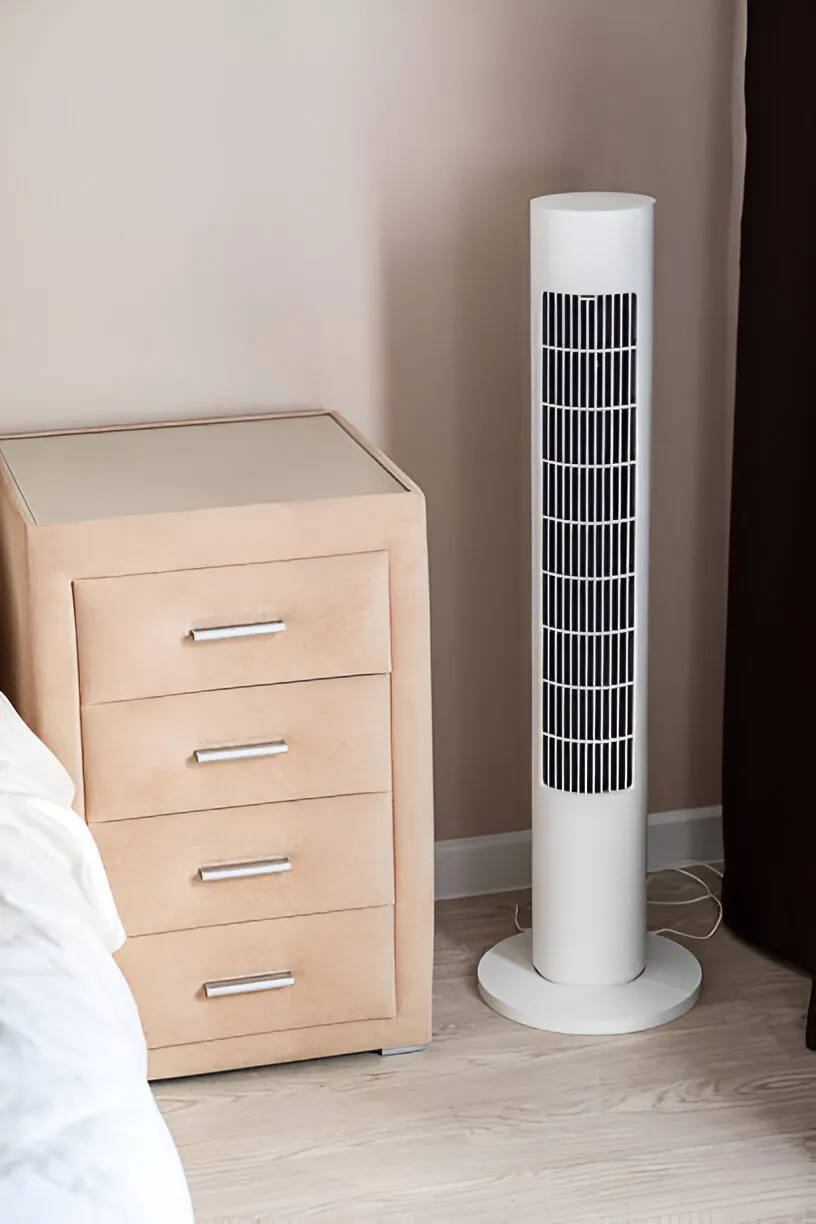
Common ventilation problems in Baltimore, OH homes
- Stale or stuffy air and persistent odors in basements and bedrooms
- Excess indoor humidity in summer leading to condensation, mold, and musty smells
- Cold drafts, ice or frost on windows in winter caused by uncontrolled infiltration
- Backdrafting or combustion appliance safety concerns when homes are tightly sealed and powerful exhaust devices run
- High levels of particles, allergens, or VOCs from cooking, cleaning, or renovations
Types of mechanical ventilation and when to use them
- Exhaust-only systems
- Simple approach using one or more fans to remove air from bathrooms, kitchens, or whole-house exhaust.
- Best for houses with moderate air leakage where makeup air will enter naturally.
- Pros: lower upfront cost, straightforward installation. Cons: can depressurize the home and pull in unconditioned air or combustion byproducts.
- Supply-only systems
- Deliver filtered, tempered outside air to the living space; excess air exits through leaks or passive vents.
- Good where outdoor air is relatively clean and when you want positive pressure to reduce infiltration of dust or soil gases.
- Pros: filtered intake, control over where fresh air enters. Cons: no heat recovery; may increase cooling load in summer.
- Balanced systems with HRV or ERV
- Simultaneously supply and exhaust equal volumes of air while transferring heat (HRV) or heat and moisture (ERV) between streams.
- Ideal for tightly built or well insulated homes in Baltimore, OH where both energy efficiency and year-round moisture control matter.
- Pros: energy efficient, prevents pressure problems, reduces humidity transfer (ERV) or maximizes heat recovery (HRV). Cons: higher initial cost and regular maintenance.
Selecting and sizing a system for your home
Proper selection starts with understanding home tightness and occupancy patterns rather than relying solely on square footage. Key factors include:
- Airtightness: Results from a blower door test show how much outdoor air is entering unintentionally. Tighter homes require mechanical ventilation to meet fresh air needs.
- Occupancy and use: Number of bedrooms, typical occupants, and activities such as frequent cooking or home workshops change ventilation rates.
- Indoor pollutant sources: Pets, smoking, gas appliances, and renovations increase ventilation requirements.
Design is guided by commonly referenced standards such as ASHRAE 62.2 and local building codes. These methods calculate needed ventilation as a function of floor area and number of bedrooms or occupants to establish a continuous or intermittent airflow target. A properly sized system balances comfort, moisture control, and energy use rather than oversupplying outside air.
Installation and control strategies
- Location and ducting: Supply and exhaust ducts should be positioned to distribute fresh air where people spend time and remove pollutants at the source, such as bathrooms and kitchens. HRV and ERV units are typically installed in mechanical rooms, basements, or attics with insulated ducts and balanced airflow dampers.
- Controls: Modern systems offer programmable schedules, humidity-based demand control, or occupancy sensing to match ventilation to need and minimize energy waste. Interlocks can prevent kitchen range hoods or bathroom fans from causing unsafe depressurization.
- Noise and comfort: Select low-sones fans and mount units on vibration isolators. Variable speed controls help maintain quiet operation while ensuring adequate ventilation.
Energy impacts and HRV vs ERV for Northeast Ohio climate
Ventilation increases the amount of outdoor air that needs heating or cooling, so recovery is important for energy efficiency:
- HRV units transfer sensible heat and work well where indoor humidity is low in winter.
- ERV units transfer both heat and moisture and are often the better choice in Baltimore, OH because humid summers and cold winters require year-round moisture management. ERVs reduce the amount of humid air brought indoors in summer and help retain indoor moisture in very cold, dry conditions in winter.
Using balanced recovery ventilators can cut the effective heating and cooling penalty of continuous ventilation by recovering 50 to 85 percent of the energy from the exhausted air, depending on unit efficiency and installation quality.
Code, safety, and permitting considerations
- Local code compliance: Ohio typically follows the International Residential Code framework and commonly references ASHRAE standards for ventilation requirements. Permits may be required for mechanical system installs and alterations.
- Combustion safety: Mechanical ventilation must not create negative pressures that cause backdrafting of combustion appliances. Combustion appliance zones should be tested and any required make-up air provisions installed.
- Range hoods and high-CFM exhausts: High-capacity kitchen hoods may require dedicated makeup air to avoid depressurization and to stay within code. A licensed HVAC or mechanical contractor will size make-up air and interlocks appropriately.
Maintenance and combining ventilation with filtration
- Routine care: Clean or replace filters every 3 to 12 months depending on use and filter type. Inspect and clean HRV or ERV cores annually and check condensate drains and seals. Fans and ducts should be inspected for leaks and balanced airflow at least every two years.
- Filtration strategies: Pair mechanical ventilation with appropriate filtration to remove particles and allergens brought in or recirculated by the HVAC system. Typical approaches:
- Whole-house filters at the HVAC return: MERV 8 to MERV 13 filters balance particle removal and system airflow. Higher MERV ratings capture more small particles but can increase pressure drop and reduce airflow if the system is not designed for them.
- Filtration at the ventilator intake or supply side: Keeps incoming fresh air cleaner, extending core and HVAC filter life.
- Supplemental portable HEPA units in bedrooms or living spaces for occupants with severe allergies or asthma.
Benefits of a planned ventilation approach for Baltimore, OH homes
A correctly specified and installed mechanical ventilation system improves health by reducing indoor pollutants and humidity related risks, protects the building envelope from moisture damage, improves comfort and odor control, and can reduce energy waste when using recovery ventilators. For Baltimore, OH, where summers are humid and winters are cold, balanced ERV solutions often provide the best combination of moisture control and energy savings. The most reliable results come from assessing home tightness, identifying pollutant sources, sizing a system to meet code-based ventilation rates, and integrating controls and filtration tailored to your household needs.
Regular maintenance and periodic re-evaluation after weatherization or HVAC upgrades keep systems performing as intended and preserve indoor air quality and comfort throughout the year.
Hot Deals & Cool Savings

.webp)
New Service Agreement Membership
.webp)
Any New Client Service
Next Service for Referring a New Client
New Service Agreement Membership
Any New Client Service
Next Service for Referring a New Client
.webp)
.webp)

Service Areas
