
Ventilation in German Village, OH
Install a balanced mechanical ventilation system in German Village, OH. Learn about ERVs/HRVs, exhaust and supply options, controls, code compliance, maintenance, and testing.

Ventilation in German Village, OH
Proper ventilation in German Village, OH is essential for comfortable, healthy homes. Many residences in this historic Columbus neighborhood are older, tightly built brick rowhouses or renovated cottages with limited natural ventilation. Combined with humid summers and cold winters, that building stock can lead to indoor air quality problems, moisture buildup in basements and attics, and uneven airflow.
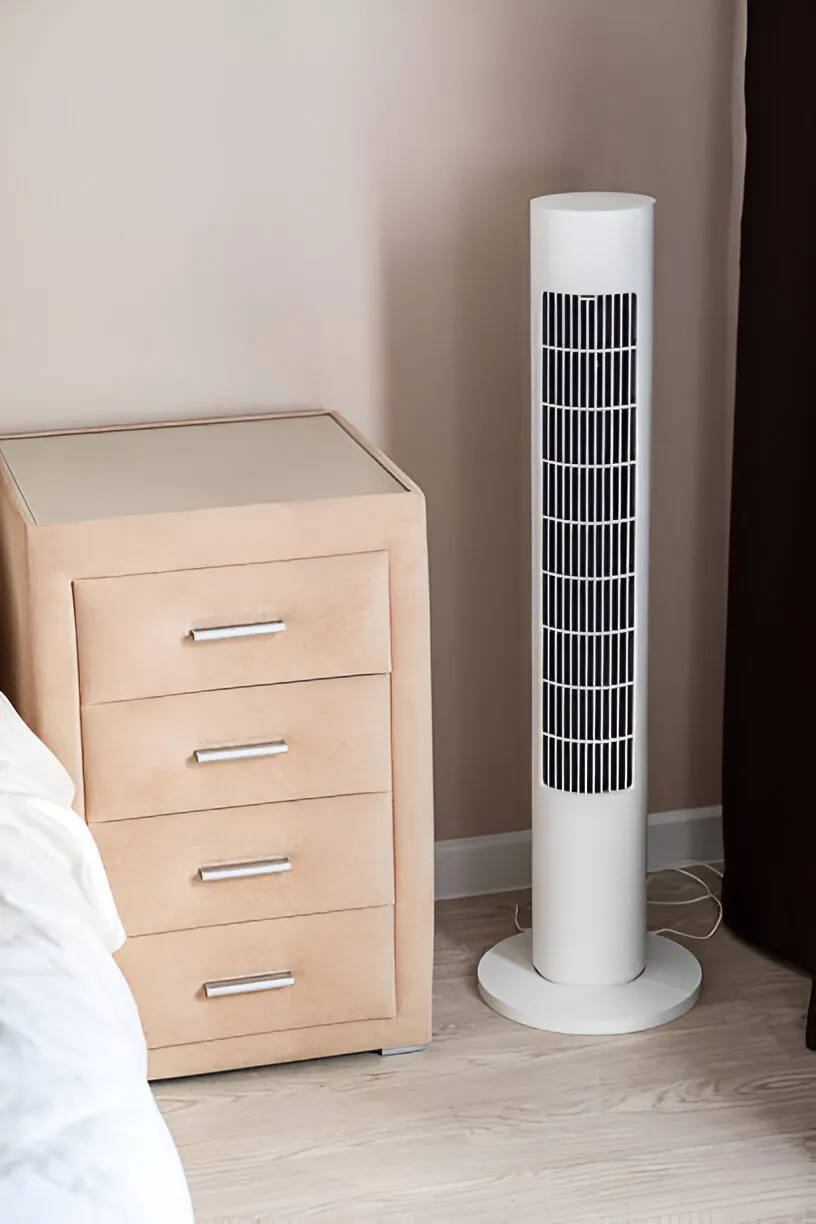
Common ventilation issues in German Village, OH homes
- Persistent musty odors and basement dampness from high indoor humidity and poor air exchange.
- Condensation on windows and interior walls during winter, indicating inadequate fresh air and high indoor moisture.
- Stale, recirculated air and elevated VOCs from new finishes, cooking, and cleaning products in tightly sealed homes.
- Uneven ventilation between floors or rooms; bathrooms and kitchens that do not exhaust effectively.
- Drafts or discomfort resulting from poorly balanced exhaust or supply systems.
Types of mechanical ventilation and when they make sense
- Exhaust ventilation: Simple and cost effective. Removes indoor air via continuous or intermittent fans (bathroom/kitchen fans, ducted whole-house exhaust). Best when there is a reliable source of make-up air; in very tight homes it can create negative pressure and pull in unconditioned air from basements or wall cavities.
- Supply ventilation: Delivers filtered outdoor air into the living space, creating slightly positive pressure to reduce infiltration of outdoor pollutants from basements or crawlspaces. Good for homes with high pollutant sources or where a controlled supply is preferred.
- Balanced ventilation: Uses both supply and exhaust to maintain neutral pressure and consistent air exchange. Balanced systems are the preferred option for most renovated or new tight homes in German Village because they control airflow and distribution better.
- ERV (Energy Recovery Ventilator): Transfers heat and some moisture between incoming and outgoing air streams. In Columbus climate with humid summers and cold winters, ERVs are often recommended because they help moderate indoor humidity and reduce HVAC load.
- HRV (Heat Recovery Ventilator): Transfers sensible heat only. HRVs perform well where indoor humidity is typically low and heat recovery is the priority. HRVs can still be appropriate for homes with separate dehumidification strategies.
Choosing a system based on home size and occupancy
- For small apartments or single-room situations, targeted supply or exhaust with timed or demand control may suffice.
- For typical German Village rowhouses (two to three stories, 1,000 to 2,500 sq ft), a balanced ERV sized to meet whole-house ventilation rates offers consistent comfort and moisture control.
- For larger renovated properties or high-occupancy households, choose a unit with higher airflow capacity and zoning to ensure even distribution.
- Follow ventilation rate guidance from ASHRAE 62.2, which calculates required airflow using the number of bedrooms and conditioned floor area. This ensures you are not under- or over-ventilating.
Installation and controls explained
- Ducting options: ERVs/HRVs can be connected to central HVAC ducts or installed as a ducted distribution system with supply and exhaust runs to key rooms (bathrooms, kitchens, bedrooms). In older homes with limited ductwork, a combination of short runs and transfer grills can distribute air effectively.
- Placement: Units are typically installed in mechanical closets, basements, or utility areas with straight duct runs to minimize noise and pressure loss. Intakes and exhausts must be located to avoid contaminant cross-loading (for example, not adjacent to dryer or vent outlets).
- Controls: Modern systems include continuous low-speed operation with boost modes for cooking or showers, programmable timers, and integration with home automation or HVAC controls. Demand-controlled ventilation using humidity or CO2 sensors can optimize indoor air quality while minimizing energy use.
- Commissioning: Proper balancing and airflow measurement at each register ensures the system meets design rates. A commissioned system will perform predictably and quietly.
Energy recovery and code compliance considerations
- Energy recovery reduces the heating and cooling penalty of bringing in outdoor air. In Columbus climate, an ERV can lower summer humidity load and reduce winter heating loss. This is particularly valuable in historically renovated homes where preserving interior comfort without adding HVAC capacity is important.
- Compliance: Residential ventilation requirements are addressed by model codes and standards such as ASHRAE 62.2 and the International Residential Code/IECC ventilation provisions adopted by local jurisdictions. Proper documentation of ventilation rates and commissioning may be required for major renovations or permits. Ensuring balanced systems and adequate make-up air for exhaust appliances helps meet code and avoid backdrafting of combustion equipment.
Maintenance, testing services, and expected outcomes
- Routine maintenance: Replace or clean ERV/HRV filters every 3 to 12 months depending on use and filter type. Inspect and clean core or heat exchanger annually, check condensate drains for blockages, and verify fan operation. Proper maintenance preserves energy recovery efficiency and indoor air quality.
- Testing and verification: Services include airflow measurement (CFM) at inlets and outlets, duct leakage checks, and CO2 or humidity monitoring to confirm the system meets required ventilation rates. A blower door test can be used during whole-house upgrades to understand infiltration and set ventilation strategy.
- Expected outcomes: With the right system and commissioning, you should see reduced condensation, fewer odors, lower relative humidity during humid months, and smoother temperature control. Indoor air quality improves with lower concentrations of CO2, VOCs, and particulate matter. Energy recovery systems will typically reduce the HVAC energy penalty of ventilation, keeping operating costs reasonable.
Final considerations for German Village homes
Because many homes in German Village are historic and densely built, ventilation solutions need to be sensitive to space constraints, noise, and the desire to preserve original finishes. Balanced ERVs paired with discreet duct runs or centrally integrated solutions offer a practical path to healthier indoor air without sacrificing comfort or energy performance. Proper sizing, commissioning, and ongoing maintenance are the difference between a system that simply runs and one that delivers measurable IAQ, moisture control, and long term durability.
Hot Deals & Cool Savings

.webp)
New Service Agreement Membership
.webp)
Any New Client Service
Next Service for Referring a New Client
New Service Agreement Membership
Any New Client Service
Next Service for Referring a New Client
.webp)
.webp)

Service Areas
