
Ventilation in Hilliard, OH
Ventilation installation in Hilliard, OH improves indoor air quality with balanced HRV/ERV options. Learn more about improving comfort and energy efficiency today.

Ventilation in Hilliard, OH
Proper ventilation is one of the most important but often overlooked upgrades for Hilliard homes. Whether you are dealing with persistent odors, high humidity, dust and pollen, or uneven indoor temperatures, the right ventilation strategy improves indoor air quality, reduces moisture-related problems, and preserves the efficiency of heating and cooling systems. In Hilliard where humid Ohio summers, cold winters, and seasonal pollen place different stresses on homes, a tailored ventilation solution makes a measurable difference in comfort and long-term durability.
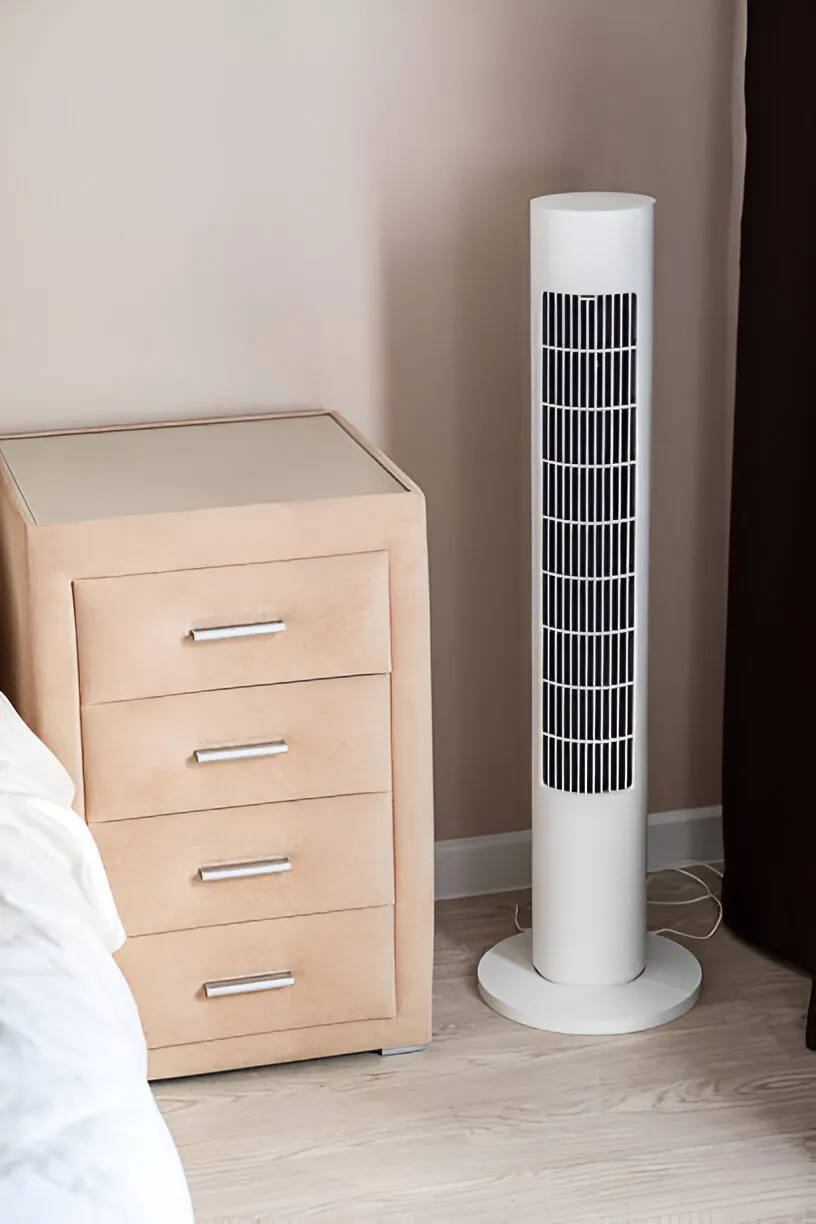
Why balanced ventilation matters in Hilliard homes
Many modern homes are built tightly to save energy, which also limits natural air exchange. Without controlled ventilation, pollutants from cooking, cleaning, building materials, and occupant activities accumulate. In Hilliard, excess indoor humidity in summer increases mold risk, while cold winter air can dry living spaces and concentrate indoor contaminants. Balanced ventilation using a Heat Recovery Ventilator (HRV) or an Energy Recovery Ventilator (ERV) provides controlled fresh air while minimizing energy loss.
- HRV moves heat between outgoing and incoming air streams, preserving indoor warmth in winter.
- ERV transfers heat and some moisture, helping manage humidity swings between seasons.
- Both systems maintain neutral building pressure and consistent fresh air delivery, unlike uncontrolled exhaust-only or supply-only approaches.
Common ventilation issues in Hilliard, OH
- Persistent musty odors or visible mold spots after humid summers
- High indoor humidity in basements and bathrooms
- Excessive dust, pollen intrusion during spring and fall
- Energy loss from uncontrolled ventilation or improperly balanced systems
- Uneven ventilation in multi-level or zoned homes
Ventilation options and strategies
Mechanical and natural strategies are both useful, but their suitability depends on home type and local climate.
Mechanical options
- Balanced whole-house ventilation (HRV/ERV): Best for tightly sealed homes and energy-efficient renovations. Provides continuous, measured outdoor air with energy recovery.
- Demand-controlled ventilation: Adjusts airflow based on indoor humidity or CO2 to reduce unnecessary energy use.
- Local spot ventilation: Kitchen and bathroom exhaust fans for source control; should integrate with whole-house systems to avoid pressure issues.
Natural strategies
- Operable windows and passive vents can supplement mechanical systems during mild, low-pollen conditions but are unreliable for consistent, year-round IAQ in Hilliard due to humidity and pollen seasons.
Assessment and design process
A careful assessment ensures the system you select meets real needs and local code requirements.
- Initial inspection: Evaluate building envelope tightness, existing ducts, locations of moisture and pollutant sources, and HVAC integration.
- Airflow and load calculations: Professionals determine required ventilation rates based on home size, bedroom count, and occupancy patterns consistent with ASHRAE 62.2 guidance.
- System selection: Choose HRV vs ERV based on local climate and indoor moisture goals. In Hilliard, ERVs are often recommended where summer humidity and pollen are major concerns, while HRVs are effective for very cold winter-dominant needs.
- Siting and duct design: Place intake away from pollutant sources and design duct runs for balanced airflow and low static pressure.
- Commissioning: Measure supply and exhaust flows, verify balanced operation, and adjust controls for proper cycles and defrost settings if needed.
Energy recovery and efficiency considerations
Modern HRVs typically recover a high percentage of sensible heat from exhaust air, often significantly lowering winter heating loads. ERVs recover both sensible and latent energy, helping control indoor humidity during humid Ohio summers and reducing air-conditioning load. Efficiency outcomes depend on proper sizing, duct design, and airtight integration. Look for units with high sensible recovery efficiency and low fan power for reduced operating costs.
Code compliance and exchange rate recommendations
Residential ventilation in Hilliard is typically governed by the International Residential Code and referenced standards such as ASHRAE 62.2. That standard sets minimum whole-house ventilation rates based on floor area and bedrooms; a common professional target for ongoing comfort and IAQ is in the range of 0.3 to 0.5 air changes per hour (ACH), adjusted according to occupancy and specific pollutant sources. Final ventilation rates and system design should comply with local building codes and be documented for permitting and inspections.
Installation and practical considerations
- Balanced systems require coordinated supply and exhaust ducting, third-party-verified airflow balancing, and attention to intake placement to avoid drawing in garage or landscaping exhaust.
- Integration with existing HVAC ductwork is possible, but independent ducting often simplifies airflow control and prevents cross contamination.
- Electrical and condensate drainage planning is necessary for unit longevity and safe operation.
- Controls: Use timers, humidity sensors, or CO2 sensors to optimize runtime and energy use.
Maintenance and longevity
Routine maintenance keeps performance high and protects indoor air quality:
- Replace or clean filters every 3 to 6 months depending on use and local pollen/dust levels.
- Clean the heat/energy exchange core annually and inspect for mold or blockages.
- Check intake and exhaust screens seasonally and clear snow, leaves, or debris.
- Verify condensate drains and defrost functions before high-humidity seasons.
- Have periodic airflow rebalancing after major HVAC service or building changes.
Selecting the right system for different Hilliard home types
- Older leaky homes: May need targeted local exhaust fans for kitchens and baths plus a modest ERV if humidity is a concern.
- Tightly sealed new construction or energy retrofits: Usually require a balanced HRV or ERV sized to meet ASHRAE 62.2 requirements to maintain healthy IAQ while protecting efficiency.
- Multi-story homes: Use careful duct routing and possibly zoned ventilation to ensure even distribution across floors.
- Homes with allergy or asthma concerns: Combine ERV or HRV with higher efficiency in-line filtration and proper sealing of ducts to limit outdoor pollen and indoor allergens.
Benefits summary and seasonal tips
Properly designed and installed ventilation reduces mold risk, lowers indoor pollutant levels, stabilizes humidity, and maintains energy efficiency. In Hilliard, consider seasonal tuning: maximize ERV use during humid summer months, ensure HRV defrost strategies in winter, and add enhanced filtration for spring pollen peaks. Regular maintenance and periodic performance checks ensure your investment continues to support comfort, health, and home durability year-round.
Hot Deals & Cool Savings

.webp)
New Service Agreement Membership
.webp)
Any New Client Service
Next Service for Referring a New Client
New Service Agreement Membership
Any New Client Service
Next Service for Referring a New Client
.webp)
.webp)

Service Areas
