
Ventilation in Lewis Center, OH
Ventilation solutions for Lewis Center, OH homes: compare exhaust, supply, HRV/ERV systems, and maintenance tips. Learn more about optimized energy efficiency.

Ventilation in Lewis Center, OH
Proper residential ventilation in Lewis Center, OH is about more than comfort - it is essential for controlling moisture, reducing indoor pollutants, protecting building materials, and maintaining healthy indoor air year-round. Homes here face a mixed-humid climate with warm, humid summers and cold winters. That seasonal swing increases the risk of moisture buildup, mold growth, elevated indoor humidity, and pollutant concentration in tightly built or renovated homes.
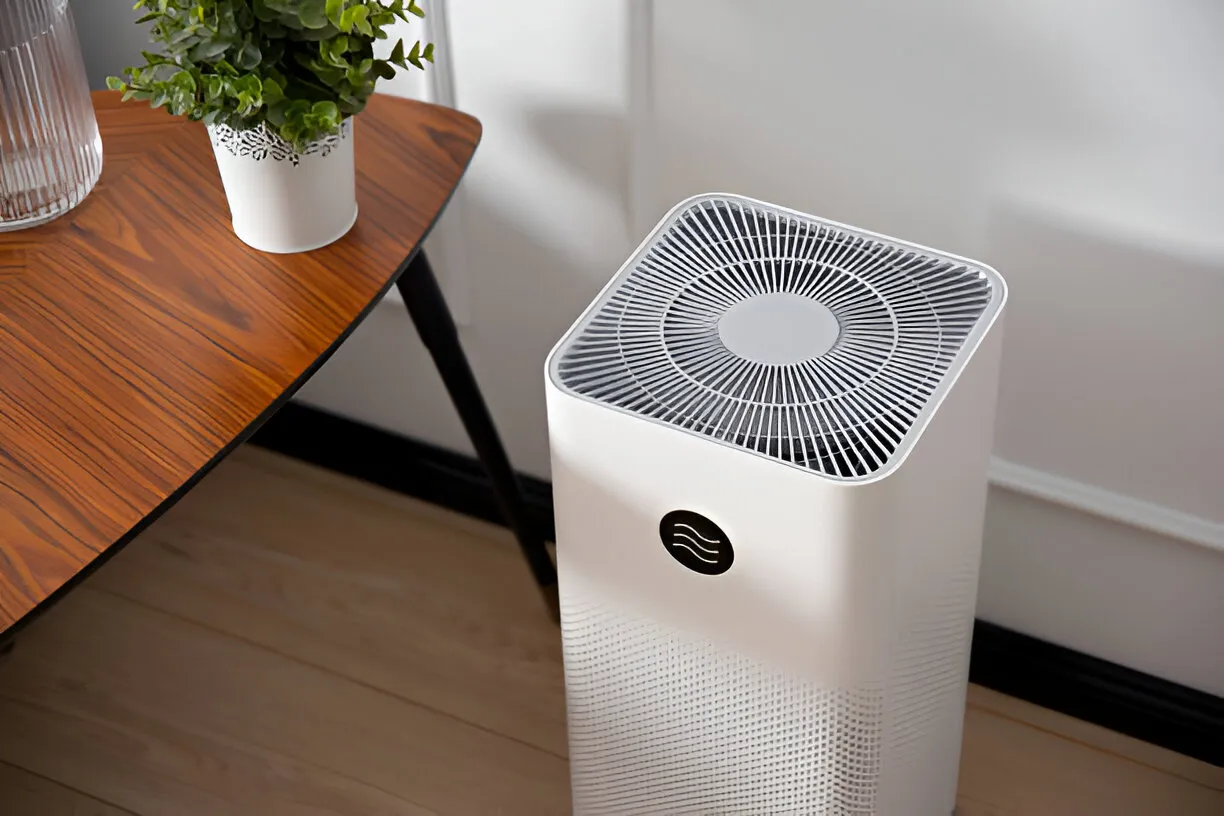
Why controlled ventilation matters in Lewis Center, OH
- Moisture control - Humid summers and indoor moisture sources (cooking, showers, clothes dryers) can lead to condensation in walls or attics, promoting mold and rot.
- Pollutant reduction - Modern homes are tightly sealed for energy efficiency, which also traps VOCs, radon, and combustion byproducts without controlled fresh air exchange.
- Comfort and health - Balanced ventilation keeps humidity and stale air in check, reducing allergy triggers like dust and pollen that are common in central Ohio.
- Building durability - Consistent ventilation helps prevent moisture-related damage to insulation, framing, and finishes.
Common ventilation issues in Lewis Center, OH homes
- High seasonal indoor humidity and musty odors in basements or bathrooms
- Uneven airflow and stale rooms after air sealing or new windows/doors
- Backdrafting of combustion appliances after tightening the building envelope
- Allergens and pollen entering without proper filtration
- Mold growth on walls and in crawl spaces following inadequate ventilation
How needs are assessed
A proper assessment determines the right system type and size for your home. Typical steps include:
- Review of home size, occupancy, and recent envelope changes (air sealing, windows, insulation).
- Testing indoor air - humidity log, CO2 levels, and sometimes radon or VOC screening.
- Diagnostic testing - blower door test to quantify leakage, combustion safety checks to ensure appliances won’t backdraft.
- Identification of problem areas - crawl spaces, attics, kitchens, bathrooms, and basements.
- Calculating ventilation rates based on standards (for example, ASHRAE 62.2 methodology) and local climate factors.
System options and efficiency trade-offs
- Exhaust ventilation
- How it works: Fans expel indoor air to the outside, creating negative pressure that pulls in outdoor air through leaks and vents.
- Pros: Simple, lower upfront cost, effective at removing moisture from targeted areas.
- Cons: Uncontrolled makeup air, possible combustion appliance backdrafting, brings unfiltered outdoor air and pollen.
- Best for: Retrofit bathroom or kitchen-focused solutions when whole-house balanced ventilation is not possible.
- Supply ventilation
- How it works: Fresh outdoor air is forced into the house through a dedicated supply fan, with stale air exiting through passive vents or leaks.
- Pros: Positive pressure can help reduce infiltration of outdoor pollutants into basements or crawlspaces.
- Cons: Requires filtration and careful placement to avoid pressurizing combustion appliance areas.
- Best for: Homes in need of filtered fresh air, or where exhaust systems cause backdraft risks.
- Balanced ventilation (HRV - heat recovery ventilator)
- How it works: Balanced systems exchange equal amounts of supply and exhaust air, transferring heat between incoming and outgoing streams to reduce energy loss.
- Pros: Consistent ventilation without large energy penalty, comfort-preserving heat transfer in winter.
- Cons: Higher initial cost, requires ducting and space for the unit.
- HRV is often recommended for colder seasons when heat recovery is the priority.
- Balanced ventilation (ERV - energy recovery ventilator)
- How it works: Similar to HRV but transfers both heat and moisture between air streams.
- Pros: For Lewis Center’s mixed-humid climate, ERVs help control summer humidity brought indoors and retain winter moisture where needed, improving year-round humidity balance.
- Cons: Slightly more complex, may transfer some odors between streams if not maintained.
- ERV is frequently the best match for central Ohio homes that need both moisture and heat control.
Efficiency trade-offs to consider
- Energy recovery reduces heating and cooling loads but adds upfront cost.
- ERV vs HRV choice should reflect seasonal humidity and occupant sensitivity to dry or humid air.
- Whole-house balanced systems provide the best IAQ control but require more planning and higher installation cost than single-room exhaust fans.
Typical installation steps
- Design and sizing - determine ventilation rate, select ERV/HRV or exhaust/supply approach, plan duct runs.
- Location planning - place fresh air intake away from driveways, landscaping spraying, or exhaust outlets; locate unit in conditioned space when possible.
- Ducting and installation - run insulated ducts, install intake and exhaust grilles, and mount the ventilation unit.
- Balancing and commissioning - measure flows and adjust to achieve target ventilation rates, check for proper pressure relationships, and verify combustion appliance safety.
- Controls setup - configure timers, humidity sensors, or demand-controlled ventilation as appropriate.
Controls and smart integration
- Humidity sensors - automatically increase ventilation when indoor relative humidity exceeds setpoints (helpful during Ohio summers).
- CO2 or occupancy sensors - adjust ventilation based on actual use to save energy while maintaining IAQ.
- Smart thermostat integration - coordinate ventilation with HVAC schedules to optimize energy use and comfort.
- Remote monitoring - allows tracking of filter life, flow rates, and fault alerts on modern ERV/HRV systems.
Code and indoor air quality best practices
- Design to meet ASHRAE 62.2 ventilation rates and check local Ohio residential code requirements for mechanical ventilation during major renovations or new construction.
- Ensure mechanical ventilation does not compromise combustion appliance safety - always perform backdraft and spillage testing.
- Locate intakes away from pollutant sources, elevated off the ground, and screened from pests.
- Use MERV-rated filtration on supply air to reduce pollen and fine particles entering the home.
Maintenance tips for longevity and performance
- Replace or clean filters every 3-6 months depending on use, season, and indoor pollution sources.
- Clean ERV/HRV cores annually and vacuum accessible heat exchangers to maintain transfer efficiency.
- Inspect intake and exhaust caps seasonally for debris, nests, or snow/ice obstruction.
- Test fans and dampers annually and verify balanced flow rates after major HVAC work or air-sealing projects.
- Keep condensate drains clear and check for signs of icing in extreme cold; follow manufacturer guidance for frost control strategies.
Benefits recap for Lewis Center homeowners
Controlled ventilation tailored to Lewis Center, OH homes stabilizes indoor humidity, reduces allergens and pollutants, prevents mold and structural moisture damage, and improves overall comfort without unnecessary energy loss. Choosing the right approach - from targeted exhaust fans to whole-house ERV systems - and following proper design, installation, and maintenance practices ensures healthy indoor air and efficient operation across Ohio seasons.
Hot Deals & Cool Savings

.webp)
New Service Agreement Membership
.webp)
Any New Client Service
Next Service for Referring a New Client
New Service Agreement Membership
Any New Client Service
Next Service for Referring a New Client
.webp)
.webp)

Service Areas
