
Ventilation in Reynoldsburg, OH
Ventilation installation options in Reynoldsburg, Ohio: understand assessment, installation steps, and maintenance to improve indoor air quality and comfort. Learn more.

Ventilation in Reynoldsburg, OH
Proper ventilation is one of the most important yet often overlooked upgrades for homes in Reynoldsburg, OH. With humid summers, cold winters, and increasingly airtight construction, indoor pollutant buildup, excess moisture, and inconsistent comfort are common.
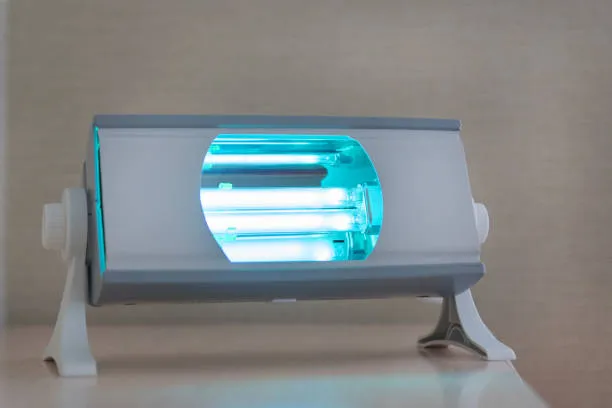
Why ventilation matters in Reynoldsburg homes
- Humid summers raise indoor relative humidity, increasing mold and dust mite risk.
- Cold winters encourage tightly sealed envelopes to save energy, which can trap pollutants and reduce fresh air exchange.
- Common indoor sources—cooking, showers, cleaning products, and modern building materials—produce contaminants and moisture that need controlled removal.Proper ventilation improves indoor air quality, reduces condensation and mold, protects occupant health, and can be integrated with energy recovery to limit heating and cooling penalties.
Types of mechanical ventilation and how they compare
Mechanical ventilation is typically provided as supply, exhaust, or balanced systems. Each approach has strengths and trade-offs.
- Supply ventilation
- Delivers filtered outdoor air into the living space while relying on passive exhaust paths for stale air.
- Good where outdoor air is relatively clean and a slight positive pressure is acceptable.
- Exhaust-only ventilation
- Uses exhaust fans to remove indoor air, drawing replacement air through leaks and intentional inlets.
- Simpler and lower cost, but can create negative pressure, which risks backdrafting of combustion appliances and uncontrolled infiltration.
- Balanced ventilation
- Provides controlled supply and exhaust rates so home pressure stays neutral.
- Allows for filtration and conditioned incoming air, recommended for tighter homes.
- ERV vs HRV (energy recovery)
- HRV (heat recovery ventilator) transfers sensible heat between incoming and outgoing air. Best where humidity transfer is undesirable.
- ERV (energy recovery ventilator) transfers both heat and some moisture. In Reynoldsburgs mixed-humid climate, ERVs often perform better by reducing summertime moisture loads while recovering energy in winter.
- Spot ventilation
- Dedicated exhaust for kitchens and bathrooms (range hoods and bathroom fans).
- Necessary to remove high pollutant and moisture loads at the source. Large kitchen hoods may require makeup air solutions.
Common ventilation problems in local homes
- Inadequate whole-house ventilation in airtight or recently retrofitted homes.
- Excess humidity and condensation in basements and bathrooms.
- Cooking odors and grease accumulation when range hoods vent to the attic or are recirculating only.
- Negative pressure causing backdrafting of gas appliances or fireplace smoke entry.
- Unbalanced systems that produce drafts or uneven humidity.
Assessment and testing services
A thorough assessment identifies the right ventilation strategy and ensures safe operation.
- Visual inspection
- Check existing fans, ducts, termination points, and combustion appliances.
- Airflow measurements
- Measure exhaust and supply cfm at fans and vents to verify rates match design and ASHRAE 62.2 or local code targets.
- CO2 and humidity monitoring
- Short-term or multi-day CO2 logging indicates whether ventilation rates are adequate.
- RH measurements pinpoint moisture problem areas.
- Combustion safety testing
- Test for spillage or backdrafting when fans run, crucial in homes with combustion appliances.
- Duct and terminal inspection
- Confirm ducts are properly routed to exterior and not leaking into attics or crawlspaces.
Local code note: Residential ventilation in Ohio typically references national standards such as ASHRAE 62.2 and state or local building code provisions. Assessments should confirm compliance with those requirements and any local inspection rules in Reynoldsburg.
Installation and commissioning steps
A successful install is more than mounting equipment. Proper design and commissioning ensure performance and longevity.
Load and ventilation design
- Calculate ventilation needs based on occupancy and floor area using ASHRAE 62.2 guidance.
Equipment selection
- Choose supply, exhaust, balanced ERV/HRV units sized for required cfm with efficient fans and controls.
Duct design and placement
- Locate inlets and exhausts to minimize cross contamination and ensure effective air distribution. Direct exhaust to exterior; never vent into attics.
Installation best practices
- Seal ducts, use insulated ducting where needed to prevent condensation, and install condensate management for ERVs if required.
Controls and automation
- Integrate timers, humidity sensors, or demand-controlled ventilation to match ventilation to actual needs and save energy.
Commissioning and verification
- Balance airflow, measure cfm at terminals, verify pressure neutrality, and demonstrate safe operation under different modes.
User orientation
- Explain system modes, filter access, and seasonal considerations so occupants can use the system effectively.
Energy recovery options for Reynoldsburg conditions
- ERV benefits
- Transfers heat and moisture; helps control summer humidity and reduces dehumidification load.
- Typically preferred in mixed-humid climates like Reynoldsburg because it moderates both temperature and moisture transfer.
- HRV benefits
- Strong sensible heat recovery, useful in cold-dry climates where moisture transfer would be undesirable.
- Efficiency considerations
- Select units with high sensible recovery efficiency and low fan power. Look for variable-speed fans and controls that minimize runtime when not needed.
Recommended maintenance schedule
Routine maintenance preserves performance and indoor air quality.
- Quarterly
- Check and replace or clean pre-filters. Inspect fan operation and condensate drains.
- Every 6 to 12 months
- Inspect duct connections, clean intake and exhaust terminations, and verify controls and sensors.
- Annually
- Remove and clean ERV/HRV cores per manufacturer instructions, lubrícate fans if applicable, and perform airflow re-balancing if occupants note changes.
- As needed
- Deep clean range hood ducts and bathroom exhaust ducts if grease or buildup is observed.
Benefits of timely ventilation upgrades
Upgrading or properly commissioning ventilation in your Reynoldsburg home reduces allergy triggers, prevents mold and moisture damage, improves comfort, and ensures safe operation with combustion appliances. When paired with energy recovery and smart controls, mechanical ventilation can maintain good indoor air quality with minimal energy penalty, meeting code expectations and supporting long term durability of the home.
Proper ventilation is a technical investment. Assessing current performance, choosing the right system type for your home and climate, and following a disciplined installation and maintenance plan ensures reliable indoor air quality in Reynoldsburg year round.
Hot Deals & Cool Savings

.webp)
New Service Agreement Membership
.webp)
Any New Client Service
Next Service for Referring a New Client
New Service Agreement Membership
Any New Client Service
Next Service for Referring a New Client
.webp)
.webp)

Service Areas
