
Whole House Air Filtration in Westerville, OH
Westerville OH Whole House Air Filtration installation improves indoor air quality, reduces pollen and smoke, and protects HVAC. Learn more.

Whole House Air Filtration in Westerville, OH
Keeping indoor air clean and healthy in Westerville, OH matters year-round. Local homes face seasonal tree and grass pollen in spring and summer, ragweed in fall, winter indoor humidity swings that promote mold, and occasional smoke events from distant wildfires. A properly designed whole house air filtration strategy tied to your central HVAC reduces allergens, smoke particles, pet dander, and odors while protecting HVAC equipment and improving comfort.
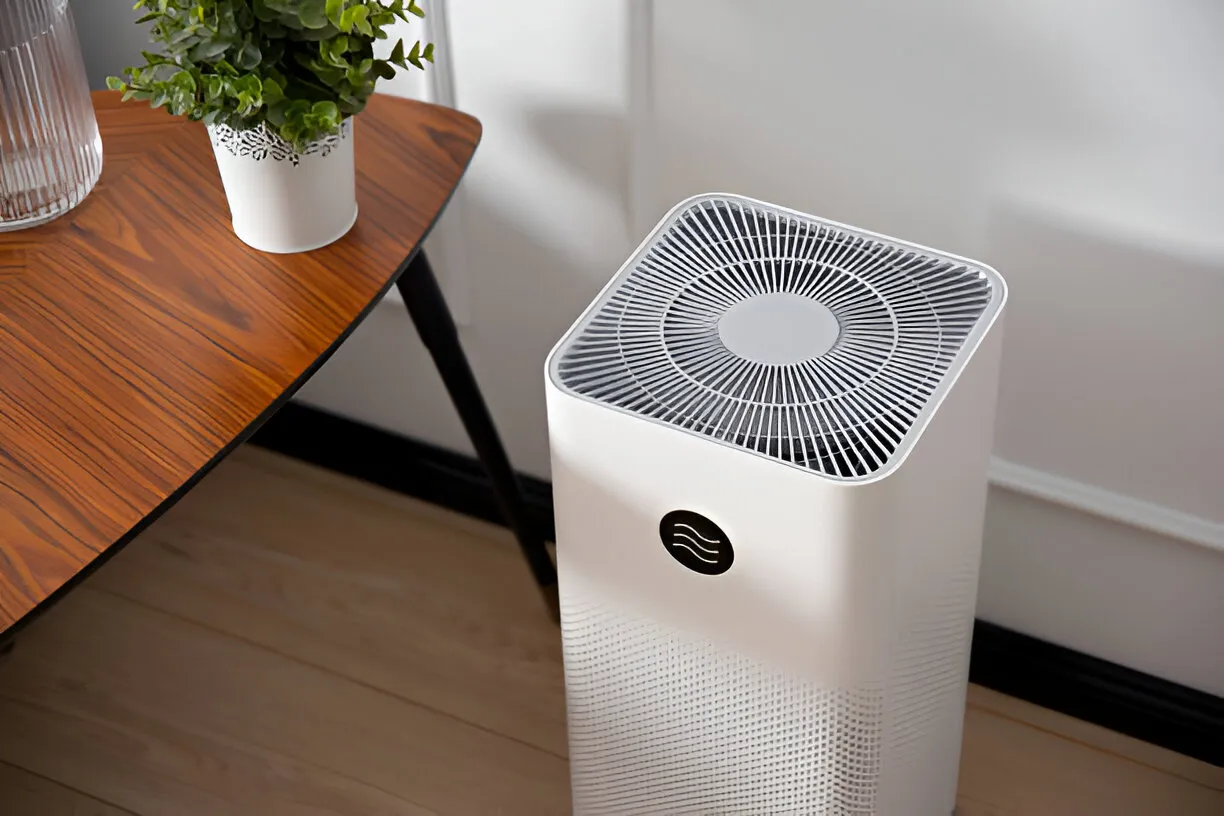
Why whole house filtration matters in Westerville homes
Whole house air filtration treats the air that circulates through your central heating and cooling system so every room benefits. This is more effective than portable units for whole-home coverage and helps:
- Lower airborne pollen and mold spores during seasonal peaks
- Reduce PM2.5 smoke particles during regional smoke episodes
- Capture pet dander and household dust that aggravate allergies
- Protect heat exchangers and coils from dust buildup, improving system efficiency
Common whole house air filtration issues in Westerville
- Reduced airflow and higher energy usage after upgrading to high-efficiency filters without checking static pressure
- Poor odor control when using particulate filters alone
- Frequent filter clogging during heavy pollen seasons or smoke events
- Incorrect filter size, improper sealing, or airflow orientation that allows bypass and reduces effectiveness
Filtration strategies for central HVAC systems
A practical whole house plan balances filtration efficiency with HVAC airflow and static pressure limits. Core strategies:
- Primary media filter in the return plenum or a dedicated filter cabinet sized to the system
- Optional secondary solutions: whole-house electronic air cleaners, in-duct HEPA systems (with compatible blowers), or standalone room HEPA units in high-use areas
- Supplementary carbon or catalytic media for odor and VOC control
- Routine testing of static pressure and airflow after major filter changes or upgrades
Filter media options and MERV ratings
Choose filter media by the particles you need to remove and what your HVAC system can handle.
- Fiberglass filters (low MERV 1-4): protect equipment but do not capture fine particles
- Pleated filters (MERV 6-11): good balance for dust, pollen, and pet dander; common choice for residential systems
- High-efficiency pleated filters (MERV 12-13): effective for smaller particles including many smoke and fine allergen particles; check system compatibility
- True HEPA (MERV-like efficiency, captures 99.97% of 0.3 micron particles): most residential furnaces cannot accommodate true HEPA due to high pressure drop unless installed in a dedicated whole-house HEPA unit or bypass cabinet
- Electrostatic filters: self-charging media that improves capture of small particles; watch for manufacturer claims and maintenance needs
- Activated carbon or specialty odor media: required for smoke odors, cooking smells, and VOC reduction; effectiveness depends on carbon bed depth and airflow contact time
Airflow and static pressure impacts
High-efficiency filters increase resistance to airflow (static pressure). Excessive static pressure reduces system airflow, causing:
- Lower comfort and uneven temperature distribution
- Increased compressor and fan energy use
- Potential premature equipment wear
Key points:
- Typical acceptable total external static pressure for residential systems is around 0.5 inches of water column or less; check your system specifications
- If choosing MERV 13 or higher, verify blower capacity or consider a variable speed blower to maintain airflow
- Professional static pressure testing before and after filter upgrades prevents performance problems
Selecting filters for specific problems
- Smoke and PM2.5: Aim for high MERV (11-13) plus activated carbon media for odor and VOCs. For persistent smoke episodes, temporary use of HEPA-capable standalone units in living areas may be beneficial.
- Pollen and seasonal allergies: Pleated MERV 8-11 filters capture most pollen. Increase frequency of changes during April through June and early fall when ragweed is active.
- Pet dander: MERV 8-11 or electrostatic pleated filters capture dander; consider supplemental filtration if symptoms persist.
- Odor reduction: Use activated carbon or catalytic media; particulate filters alone will not remove most odors.
Installation and filter-change schedules
Correct installation and maintenance are as important as filter selection.
- Install with the airflow arrow pointing toward the furnace or air handler. Ensure tight seals with gasketed frames or filter slots to prevent bypass.
- Typical change intervals:
- Basic pleated MERV 8: every 60-90 days under normal conditions
- Higher-efficiency MERV 11-13: every 30-60 days, especially during heavy pollen or smoke
- Activated carbon filters: may require replacement more often when exposed to persistent odors or VOCs
- Inspect filters visually monthly during spring pollen and smoke seasons; replace when noticeably loaded or when pressure drop indicates restriction
- For whole-house media cabinets, follow manufacturer guidance and schedule professional checks annually
Performance expectations and testing options
Realistic expectations and measurement help verify system performance.
- Expect substantial reductions in visible dust, pollen, and larger particles with MERV 8-11 filters; MERV 13+ and HEPA reduce finer particles and PM2.5 more effectively when system airflow and seal are optimized
- Odor reduction varies widely based on media type and exposure; carbon media reduces many common household odors but has finite adsorption capacityTesting options to confirm results:
- Particle count testing (PM2.5, PM10) before and after filter installation
- Static pressure measurement across the system and across the filter to monitor pressure drop
- Airflow (CFM) testing to verify blower performance after filter changes
- Indoor air quality monitors for continuous PM and VOC readings
Warranties and service plans for Westerville homeowners
Filter manufacturers typically warranty media against defects when used as directed; cabinet and in-duct unit components often have separate warranties on structure, fan motors, and controls. For homeowners in Westerville:
- Ask about warranty conditions tied to filter type and maintenance intervals
- Consider a service plan that includes scheduled inspections, filter changes timed to local pollen and seasonal trends, routine static pressure checks, blower and coil cleaning, and periodic IAQ testing
- Regular professional maintenance preserves warranty validity and ensures optimal filtration without overtaxing HVAC equipment
Maintenance tips specific to Westerville climate
- Spring and early summer: increase inspection frequency for pollen load; change filters sooner if you have allergies
- Fall: watch for ragweed season; remove accumulated debris in return grilles from falling leaves
- Winter: maintain proper humidification to avoid dry air, but watch for mold indicators if humidity climbs; filtration helps but does not replace dehumidification when needed
- During regional smoke events: run higher-efficiency filtration and replace filters shortly after exposure to limit long-term loading
A thoughtfully chosen whole house air filtration system, properly installed and maintained, provides measurable health and comfort benefits for Westerville homes. Matching filter efficiency to your indoor air priorities while monitoring static pressure and airflow will protect both indoor air quality and HVAC performance.
Hot Deals & Cool Savings

.webp)
New Service Agreement Membership
.webp)
Any New Client Service
Next Service for Referring a New Client
New Service Agreement Membership
Any New Client Service
Next Service for Referring a New Client
.webp)
.webp)

Service Areas
