
Whole House Air Purifiers in Canal Winchester, OH
Improve indoor air with a whole-house air purifier installation in Canal Winchester, OH. Schedule professional installation for cleaner, healthier air today.

Whole House Air Purifiers in Canal Winchester, OH
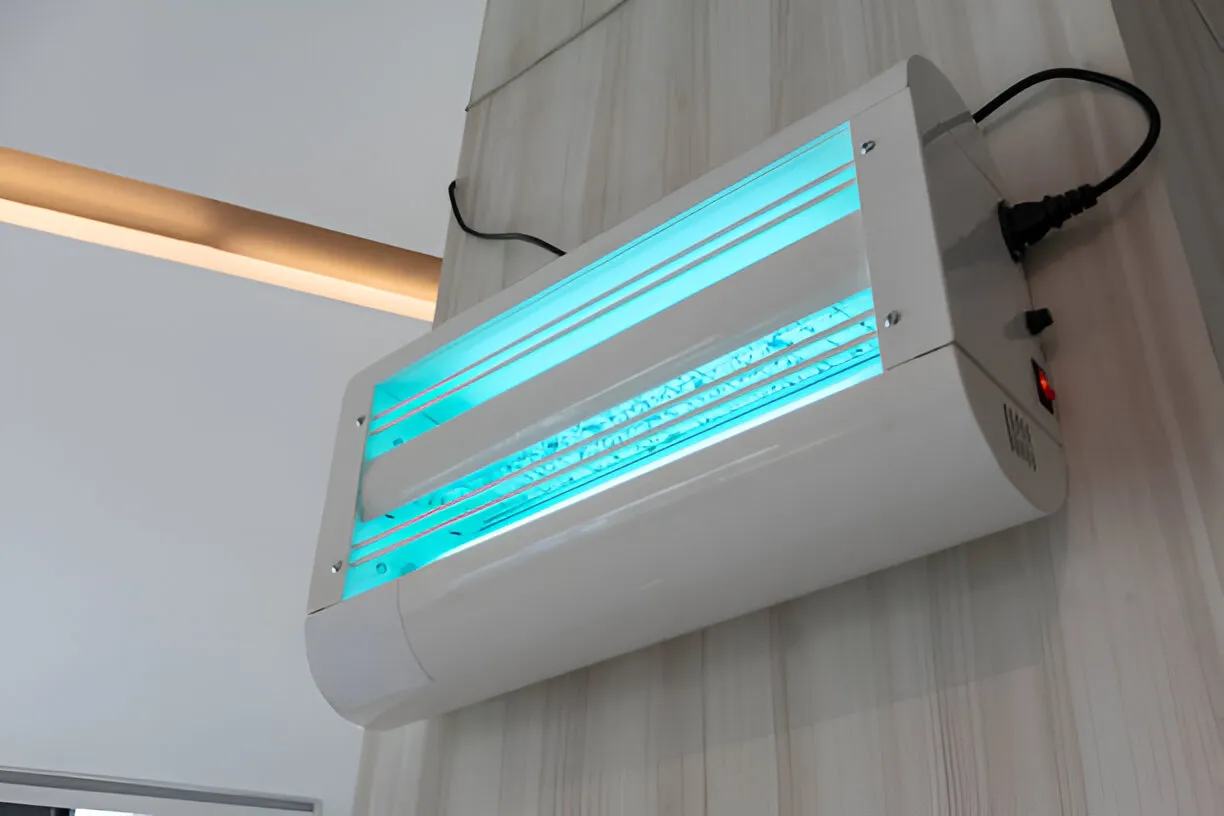
Whole-house air purifiers provide continuous, whole-home air cleaning by working with your HVAC system to remove particles, gases, and biological contaminants from every room. For Canal Winchester homes—where humid summers, high spring pollen, cold winters that keep windows closed, and occasional wood smoke or neighborhood agricultural burning can raise indoor pollution—upgrading from portable units to a professionally installed whole-house solution delivers more consistent air quality, lower maintenance friction, and better coverage for multiroom living spaces.
Why choose whole-house over portable units
- Whole-home coverage: treats air that circulates through central HVAC ductwork rather than a single room at a time.
- Consistent performance: runs with the HVAC blower to provide continuous cleaning rather than intermittent local treatment.
- Lower noise and clutter: equipment is installed out of sight in the furnace or air handler and ductwork rather than multiple machines in living spaces.
- Better integration with HVAC filtration and humidity control, which matters in Canal Winchester’s humid summers and sealed-winter indoor environments.
Common indoor air quality issues in Canal Winchester homes
- Seasonal pollen and outdoor allergens from nearby trees and grasses (spring and early summer).
- High indoor humidity in summer promoting mold and dust mite growth in basements and crawlspaces.
- Wood smoke and odors during colder months or from neighborhood fireplaces and outdoor burning.
- Cooking smoke, pet dander, and VOCs from household products and renovations.
- Stale indoor air in winter when homes are tightly sealed.
Core purification technologies explained
- HEPA filtration: captures 99.97% of particles down to 0.3 microns (pollen, dust, pet dander, many respiratory aerosols). Often used in high-efficiency whole-house filter assemblies or standalone HEPA modules.
- Activated carbon: adsorbs odors, volatile organic compounds (VOCs), and smoke-related gases. Useful for homes with cooking odors, chemical off-gassing, or wood smoke.
- Electronic/ionizing cleaners (electrostatic precipitators): charge and collect particles on plates. They can be very effective for fine particulates but may generate ozone if not designed or certified to low-ozone standards.
- Ultraviolet germicidal irradiation (UVGI): in-duct UV lamps reduce microbial load on coils and in passing air (bacteria, some viruses, mold spores). UV is a supplemental technology and works best combined with filtration.
How whole-house systems integrate with existing HVAC
- In-duct installation: purification modules are mounted in the return or supply plenum or integrated near the air handler so all circulated air passes through the purifier.
- Bypass HEPA or dedicated air-cleaning ductwork: for true HEPA performance, some systems use a dedicated bypass that routes all return air through a HEPA module without creating excessive pressure drop.
- Pressure and airflow management: adding high-efficiency filters increases static pressure. Professionals check blower capabilities and may recommend variable-speed blower settings, bypass dampers, or upgraded components to maintain HVAC efficiency.
- Controls and runtime: purifiers can be tied to the thermostat/blower or run on independent controls to balance filtration needs and energy use.
Sizing and performance expectations
Correct sizing is essential to meet performance goals and avoid excess strain on HVAC equipment. Professionals use home volume and a target air changes per hour (ACH) or clean air delivery rate (CADR) to size systems.
Example sizing calculation:
- Home volume = square footage x ceiling height. A 2,000 sq ft home with 8 ft ceilings = 16,000 cubic feet.
- Desired ACH (typical whole-house target ranges from 2 to 6 ACH depending on goals; higher for infection-control or heavy smoke situations).
- Required CADR in cubic feet per minute (CFM) = (Home volume x ACH) / 60.
- For 4 ACH: CADR = (16,000 x 4) / 60 = 1,067 CFM.
A qualified installer will:
- Measure your HVAC’s available airflow (CFM) and static pressure.
- Recommend a purifier type and configuration that achieves CADR targets without overtaxing the system.
- Consider occupant sensitivities (allergies, asthma), local seasonal pollutants, and typical home use patterns.
Professional installation process
- On-site assessment: evaluate HVAC capacity, duct layout, pollutant sources, and home volume.
- System selection and sizing: choose HEPA/activated carbon/UV/electronic components to match indoor air quality goals.
- Mechanical integration: mount modules in return plenum, fit bypass assemblies or inline units, and seal all duct connections.
- Commissioning and balancing: verify airflow, blower operation, and system controls; measure pressure drop and ensure heating/cooling performance is not compromised.
- Performance verification: installers may use particle counters or manufacturer-recommended tests to confirm expected performance.
Maintenance and filter replacement schedules
Maintenance keeps whole-house purifiers working efficiently:
- Pre-filters (particle-catching coarse filters): check every 1–3 months; replace as needed (often every 3 months).
- High-efficiency filters (HEPA or high-MERV washable cartridges): inspect annually; replacement intervals vary (commonly 1–3 years for sealed HEPA modules depending on load).
- Activated carbon beds: typically refreshed or replaced every 6–12 months depending on odor and VOC exposure.
- UV lamps: replace on a 9–18 month schedule as output declines with lamp age.
- Electronic collector plates: clean according to manufacturer intervals (monthly to quarterly).
- Periodic duct inspections and HVAC servicing: recommend at least annual HVAC tune-ups to ensure the whole system is balanced and leak-free.
Local factors in Canal Winchester such as heavy spring pollen or seasonal leaf debris may require more frequent prefilter changes during peak seasons.
Expected health and comfort benefits
- Reduced allergy symptoms: significant reductions in airborne pollen, dust mite fragments, and pet dander help allergy and asthma sufferers.
- Cleaner indoor air during smoke events: activated carbon layers can reduce smoke odors and some gaseous components when sized appropriately, while HEPA removes fine smoke particles.
- Odor and VOC reduction: activated carbon helps with cooking odors, paint/solvent off-gassing, and other household smells.
- Reduced microbial loads: UV and filtration reduce airborne bacteria and mold spores, supporting overall indoor hygiene.
- Whole-home consistency: fewer hotspots of poor air quality, better sleep and comfort because cleaner air circulates throughout the house.
Note: Some gases (for example, radon) require specific mitigation strategies; activated carbon can reduce some gases but is not a substitute for certified radon mitigation systems.
Warranties and long-term considerations
- Manufacturer warranties vary by component: typical coverage ranges from 1 to 10 years depending on the purifier type and parts (fans, modules, UV lamps).
- Professional installation warranties: installers often provide workmanship warranties for a defined period; check what components and service are covered.
- Energy and HVAC impact: high-efficiency filters can increase fan energy use; a professional will balance air quality goals with HVAC performance to minimize energy penalties.
- Certification and safety: choose systems tested to relevant standards (HEPA efficiency ratings, low-ozone certification for electronic cleaners) and follow manufacturer maintenance schedules to maintain performance and safety.
Choosing a whole-house air purifier in Canal Winchester means considering local pollutant patterns, your HVAC’s capabilities, and the level of continuous protection you want. Properly selected and professionally integrated systems provide measurable improvements in indoor air quality, reduced symptom burden for sensitive occupants, and long-term performance with routine maintenance.
Hot Deals & Cool Savings

.webp)
New Service Agreement Membership
.webp)
Any New Client Service
Next Service for Referring a New Client
New Service Agreement Membership
Any New Client Service
Next Service for Referring a New Client
.webp)
.webp)

Service Areas
