
Whole House Dehumidifiers in Brice, OH
Install and optimize a whole-house dehumidifier in Brice, OH. Improve comfort, reduce mold, and protect your home. Learn more today.

Whole House Dehumidifiers in Brice, OH
An effective whole-house dehumidifier protects your Brice, OH home from persistent dampness, reduces mold risk in basements and crawlspaces, and improves year-round comfort. With hot, humid summers and seasonal storms common in central Ohio, indoor relative humidity often climbs above recommended levels. That increases musty odors, aggravates allergies, and accelerates wood rot and paint failure. Whole-house dehumidification designed to work with your HVAC system targets humidity at scale — removing moisture from the entire conditioned space rather than treating rooms one at a time.
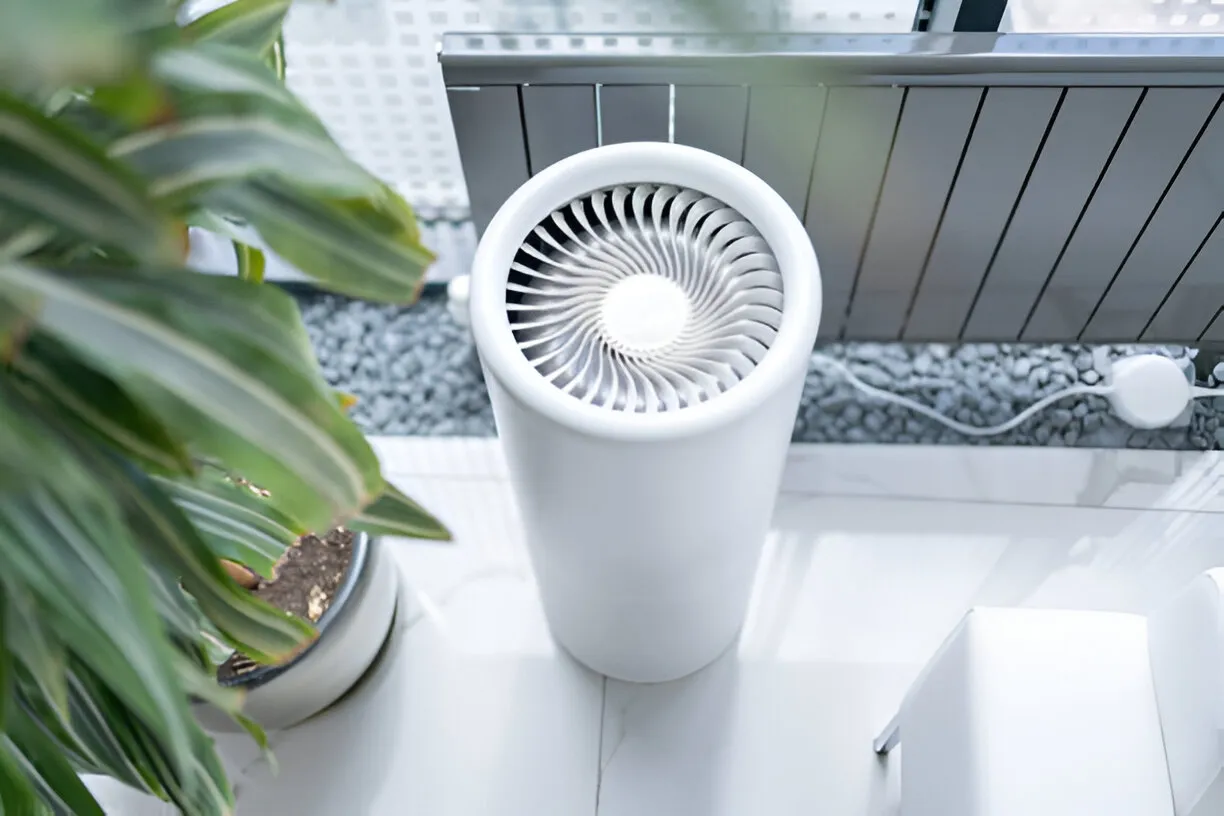
When a whole-house dehumidifier is recommended
- Basement moisture or recurring mold: Finished basements or below-grade rooms in Brice that stay damp even with good ventilation.
- Humid climate periods: Summers in Franklin County routinely push outdoor humidity high enough to raise indoor RH; whole-house systems handle seasonal loads better than portable units.
- Indoor air quality and allergy prevention: If household members suffer from mold or dust-mite allergies, maintaining stable humidity (40–50% RH) reduces allergen growth.
- Large homes or multi-level properties: Where portable dehumidifiers would be impractical or insufficient to cover square footage evenly.
- Integration with HVAC: When you want continuous, automatic humidity control integrated with existing heating and cooling equipment.
Types of whole-house solutions
- Ducted whole-house dehumidifiers (recommended for most homes)
These units connect to the return or supply plenum of your furnace/air handler. They use the HVAC blower to move air through the dehumidifier coil, providing balanced, whole-home moisture removal with centralized drainage. Ducted units are available as inline modules or as part of packaged indoor units. - Standalone whole-house dehumidifiers (non-ducted or closet units)
For homes without compatible HVAC or where retrofit ductwork is impractical, standalone units can serve the whole house using dedicated fans and a distribution strategy. They still provide higher capacity than portable room units. - Hybrid or integrated solutions
Some systems combine ventilation (ERV/HRV) with dehumidification to control both moisture and fresh-air intake — useful in tightly sealed modern homes in Brice where bringing in humid outdoor air worsens indoor RH.
Sizing and humidity load considerations
Proper sizing matters more for dehumidifiers than many homeowners realize. Capacity is commonly expressed in pints per day (AHAM standard), and whole-house units typically range from roughly 50 to 130+ pints/day.
Factors used to size a system:
- Home square footage and ceiling heights: Larger volume requires greater capacity.
- Basement or crawlspace presence: Unfinished, damp below-grade spaces significantly increase moisture load.
- Occupancy and activities: Number of occupants, frequent cooking, showers, or indoor laundry without external venting increase humidity.
- Local climate and seasonal extremes: Brice’s hot, humid summers mean higher peak loads than drier regions.
Typical guidance (subject to a professional load calculation): small to medium homes with moderate humidity often need units in the 50–80 pints/day range; larger homes, homes with basements, or those with chronic moisture issues may need 90–130+ pints/day. A qualified technician performs a moisture load calculation (similar to a Manual J for heating/cooling) to determine the correct capacity and ducting strategy.
Integration with HVAC and controls
- Placement options: Inline on the return plenum, mounted next to the air handler, or in a mechanical closet. Placement affects static pressure and airflow; installers balance the system to avoid reducing HVAC performance.
- Control strategies: Dedicated humidistats or integration with smart thermostats allow target humidity setpoints and scheduling. Advanced systems can prioritize dehumidification independently of cooling cycles.
- Airflow impact: Many ducted models use the air handler fan, minimizing additional fan energy. Some units include their own blower when independent operation is preferred.
Installation and drainage options
- Drainage methods:
- Gravity drain to an existing floor drain or condensate line where plumbing elevation permits.
- Condensate pump to route water to a drain or outside when gravity drain is not available.
- Connection to HVAC condensate management or a dedicated condensate line routed to sewer or exterior (follow local code).
- Electrical needs: Units typically require a dedicated circuit; voltage and amperage vary by capacity. Licensed electricians confirm proper wiring.
- Permitting and code: Local plumbing or mechanical codes can dictate condensate discharge and electrical requirements; professional installation ensures compliance.
Energy efficiency and operational considerations
- Energy use: Whole-house dehumidifiers consume electricity to remove moisture; power draw varies by capacity and runtime. Many modern units are engineered for efficiency and may use less energy than multiple portable dehumidifiers running continuously.
- Efficiency features to look for:
- High-efficiency compressors and variable-speed fans.
- Integration with HVAC blower to reduce duplicate fan energy.
- Auto-defrost for cooler-season operation.
- Operational patterns: Running time depends on setpoint and local humidity. In Brice, expect heavier runtime during summer months and after significant rainfall or prolonged humid stretches.
Maintenance requirements
- Filter cleaning/replacement: Every 1–3 months depending on use and indoor air quality to maintain airflow and system efficiency.
- Coil and drain cleaning: Annual inspection and cleaning of the evaporator coil and condensate drain prevent buildup and blockages.
- Humidistat calibration and control checks: Verify accurate readings seasonally and after any HVAC service.
- Professional annual tune-up: Ensures optimal refrigerant charge, checks electrical connections, and confirms drainage integrity. Regular maintenance preserves efficiency and extends service life (many systems last a decade or more with proper care).
Expected impacts on comfort and indoor air quality
- Stable indoor RH (40–50%): Reduces mold and mildew growth, controls musty odors, and improves perceived comfort at higher temperatures.
- Health and allergen benefits: Lower humidity slows dust mite and mold spore proliferation, easing allergy and respiratory symptoms for occupants.
- Home preservation: Protects wood flooring, trim, furniture, and painted surfaces from moisture-related damage and reduces condensation on windows.
- HVAC synergy: Properly sized dehumidification can reduce cooling runtime by allowing occupants to feel comfortable at slightly higher thermostat setpoints while maintaining lower humidity.
Practical tips for Brice, OH homeowners
- Aim for a target indoor relative humidity between 40% and 50% to balance comfort and mold control in central Ohio’s climate.
- Address exterior drainage, gutters, and foundation grading before relying solely on mechanical dehumidification for basement moisture.
- Choose a system sized by a professional moisture-load calculation rather than guessing based on square footage alone.
- Consider integrating humidity controls with your thermostat for automatic seasonal adjustments and energy-conscious operation.
A correctly selected and installed whole-house dehumidifier tailored to Brice’s climate and your home’s specific moisture profile delivers long-term comfort, improved indoor air quality, and protection for your home’s structure and finishes. Regular maintenance and professional sizing are the keys to reliable performance and efficient operation.
Hot Deals & Cool Savings

.webp)
New Service Agreement Membership
.webp)
Any New Client Service
Next Service for Referring a New Client
New Service Agreement Membership
Any New Client Service
Next Service for Referring a New Client
.webp)
.webp)

Service Areas
