
Whole House Dehumidifiers in Hebron, OH
Whole-house dehumidifiers in Hebron, OH provide centralized moisture control; install with expert sizing, diagnostics, and professional service. Learn more.

Whole House Dehumidifiers in Hebron, OH
Excess humidity is one of the most common comfort and health complaints in Hebron, OH homes. Summers here are warm and humid, basements and crawlspaces hold moisture during spring thaw and after heavy rains, and older homes with limited ventilation are prone to musty odors, mold, and wood rot. Whole house dehumidifiers are a long-term solution that controls relative humidity throughout the home, protects building materials and belongings, and improves indoor comfort without overcooling living spaces.
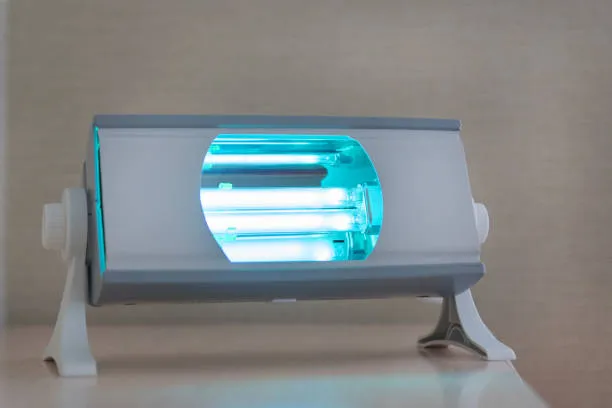
Why a whole house approach matters in Hebron, OH
- Local climate: Hot, humid summers and occasional heavy precipitation increase indoor latent load, making spot solutions and portable dehumidifiers often insufficient.
- Basements and crawlspaces: Many Hebron homes have basements used for storage or finished living space that trap moisture and create conditions favorable to mold growth.
- Energy and comfort: A properly sized whole house system reduces the need to lower thermostat setpoints to feel comfortable, lowering overall HVAC runtime while targeting moisture directly.
Common whole house dehumidifier issues in Hebron, OH
- Undersized equipment that cannot keep up with latent load during humid months
- Improper placement that leaves some zones (often basements) still damp
- Clogged condensate drains or failing condensate pumps after heavy spring rains
- Coil freezing or short cycling in cooler seasons if the unit is not matched to the home and use pattern
- Excessive noise due to older, single-speed compressors or poor installation
- Lack of routine maintenance leading to reduced capacity and higher energy use
Types of whole-house dehumidification systems and placement
- HVAC-integrated, ducted dehumidifiers: Installed at or near the air handler and connected to the return or supply ductwork. Best for central control and even moisture removal across the whole home.
- Bypass ducted units: Use existing HVAC airflow to move air through the dehumidifier without a separate blower. Efficient for homes with compatible systems.
- Direct-air, fan-powered whole house dehumidifiers: Have their own blower and are suitable when the air handler cannot handle the extra load or when basement-only dehumidification is required.
- Localized whole-house solutions: A dedicated basement unit sized to maintain the basement at a target humidity while the main system handles the rest of the home.Placement considerations for Hebron homes:
- Near the air handler or in the basement mechanical room for easy duct connections and service access
- Provision for condensate drainage to a floor drain, condensate pump, or safe exterior termination
- Electrical capacity and circuit protection consistent with manufacturer requirements
Diagnostic and sizing process
A proper installation begins with a thorough diagnostic and sizing evaluation:
- Hygrometer readings: Measure current relative humidity (RH) in multiple zones, including basement, living areas, and upper floors during peak humidity hours.
- Building inspection: Check for sources of moisture intrusion, insulation and vapor barrier conditions, exhaust ventilation, and air leakage points.
- Occupancy and activity assessment: Number of occupants, laundry frequency, cooking habits, and any indoor pools or aquariums that add latent load.
- Latent load calculation: Estimate moisture generation and infiltration to determine the pints-per-day capacity required. Typical residential needs in this area range from 30 to 70 pints per day for average homes; larger or leak-prone basements may need 70 to 120 pints per day.
- Placement & drainage planning: Confirm where the unit will connect to ducts, where condensate will route, and whether a condensate pump or additional electrical work is necessary.
What to expect during installation
- Minimal disruption to daily life; most whole-house installs take a day or two depending on ductwork and drain routing.
- Coordination with existing HVAC: Integration with your air handler, thermostat, and controls so humidity setpoints can be maintained automatically.
- Electrical and drain setup: New circuit or connection to existing panel if required, and properly sloped drain or pump installation.
- Sound mitigation: Placement and vibration isolation to minimize noise transfer into living spaces.
Maintenance requirements and longevity
Routine maintenance keeps capacity high and energy use low:
- Monthly: Check and, if applicable, clean or replace air filters.
- Quarterly: Inspect condensate lines and pump (if installed) and clear any debris or blockages.
- Annually: Professional service to clean coils, verify refrigerant charge, test controls and humidistat, and confirm overall performance.
- Typical service packages include seasonal inspections, priority scheduling for repairs, and extended parts coverage. Manufacturer warranties often cover parts for a limited term; extended service plans can protect labor and extend practical system life.
Energy efficiency and noise expectations
- Efficiency: Whole-house dehumidifiers are generally more efficient than running multiple portable units because they remove moisture centrally and integrate with the home’s airflow. Look for units with variable-speed compressors or smart controls to match capacity to demand for lower energy use.
- Noise: Fan-powered units produce low to moderate noise levels, typically comparable to a quiet HVAC blower. Modern equipment with variable-speed motors often operates at lower sound levels during normal cycling. Proper placement and vibration isolation further reduce perceived noise.
- Controls: Digital humidistats and integration with HVAC thermostats allow precise RH targeting (commonly 45 percent RH is recommended for mold prevention and comfort in this region) without overcooling.
Typical outcomes for basements and full homes
- Basements: Stable RH below 50 percent, elimination of musty odors, reduced visible condensation on walls and windows, and preservation of stored items and finished surfaces.
- Full-home results: Lower overall humidity levels, fewer mold or mildew episodes, improved indoor air quality with fewer allergy triggers, reduced AC runtime in hot months, and more consistent comfort without turning the thermostat down excessively.
Service packages and financing options
Service packages for whole-house dehumidifiers commonly bundle:
- Full diagnostic and sizing visit
- Turnkey installation including electrical and drain hookups
- Warranty registration and starter maintenance visit
- Annual or biannual maintenance inspections with priority service
Financing options are often available to spread installation costs over monthly payments, including promotional plans and longer-term financing through third-party lenders. Financing program availability varies based on customer credit and program terms.
Hot Deals & Cool Savings

.webp)
New Service Agreement Membership
.webp)
Any New Client Service
Next Service for Referring a New Client
New Service Agreement Membership
Any New Client Service
Next Service for Referring a New Client
.webp)
.webp)
Service Areas