
Mini Split Installation in Bexley, OH
Get expert mini-split installation in Bexley, OH for efficient cooling and zoned heating. Schedule a pre-install consultation and start comfort today.

Mini Split Installation in Bexley, OH
Choosing a ductless mini-split system is a common, practical upgrade for Bexley, OH homes that need efficient cooling and zoned heating without invasive ductwork. Whether you live in a brick bungalow, an older colonial, or a newer infill near the downtown area, a properly sized mini-split can improve comfort in rooms with poor airflow, finished basements, additions, or houses where extending ducts is impractical.
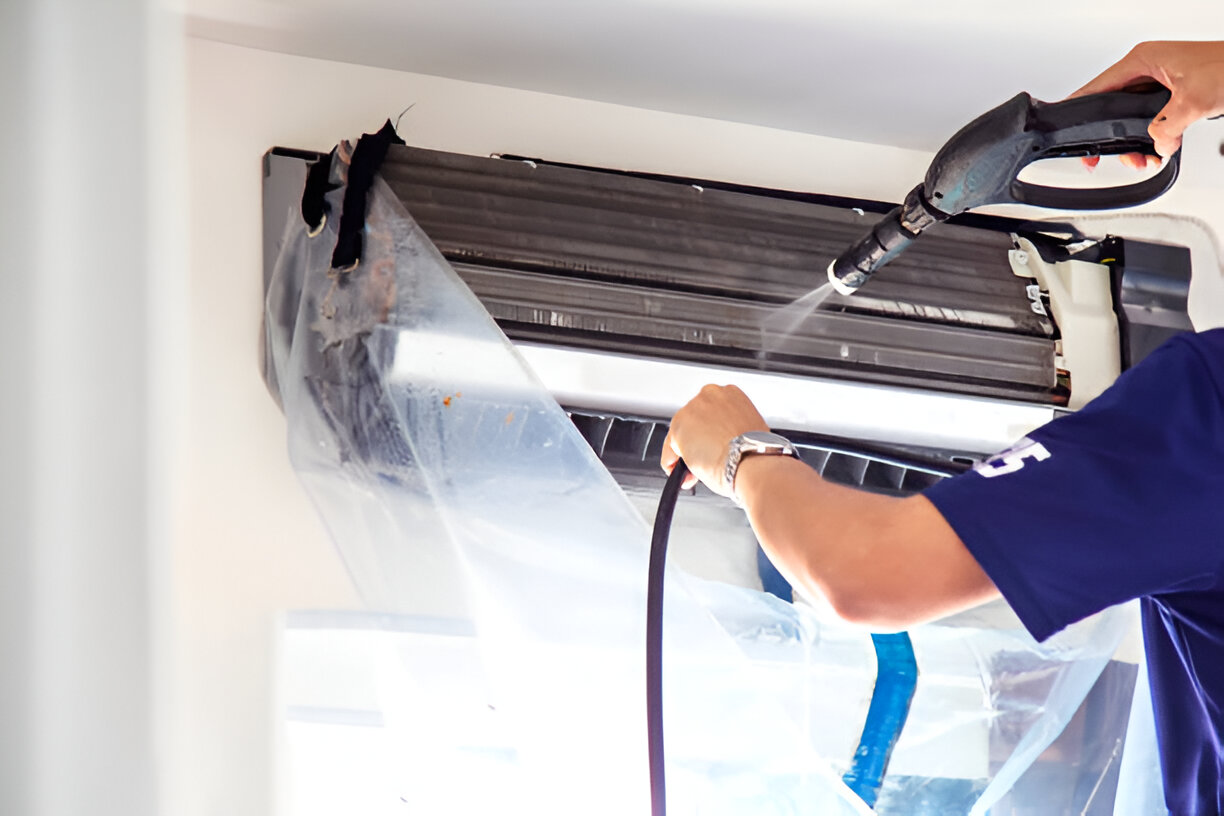
Why mini-splits make sense in Bexley, OH
- Summers in central Ohio are hot and humid, increasing cooling loads in bedrooms and living areas. Ductless mini-splits provide targeted cooling with high efficiency.
- Winters can be cold. Modern heat pump-based mini-splits deliver reliable supplemental heating or whole-home heating for smaller houses without central furnaces.
- Many Bexley homes are older or have space constraints that make traditional ductwork disruptive and expensive. Mini-splits preserve historic interiors and reduce renovation time.
- Zoned control reduces energy waste by conditioning only occupied rooms, a benefit for multi-level or partially occupied homes.
Pre-install consultation and load/room sizing
A responsible installation starts with a room-by-room assessment, not a rule of thumb. The process typically includes:
- Evaluating square footage, ceiling height, window orientation, insulation levels, and typical occupancy.
- Performing a Manual J style load estimate to determine cooling and heating capacity needed for each zone.
- Recommending single-zone versus multi-zone configurations based on the layout and usage patterns.
Common findings for Bexley homes include south-facing rooms with higher cooling loads, older windows that increase heating needs, and finished basements that benefit from low-profile indoor units.
Single-zone vs multi-zone systems
- Single-zone mini-split: One outdoor unit paired with one indoor wall-mounted or floor console. Ideal for a single problem room, detached office, or a basement.
- Multi-zone mini-split: One outdoor unit connects to 2 to 8 indoor heads. Best for whole-home solutions or multiple rooms where separate temperature control is desired.
Which to choose depends on load calculations, aesthetic preferences, and future plans. Multi-zone installs can reduce bulk outdoor equipment while offering centralized efficiency.
Indoor unit styles and placement
Common indoor unit options:
- Wall-mounted units: Most popular. High on a wall for even distribution and minimal floor intrusion.
- Floor-mounted consoles: Good for rooms with low walls, sloped ceilings, or where wall space is limited.
- Ceiling cassette units: Recessed into drop ceilings for a low-profile look in living rooms or open-plan areas.
- Concealed duct units: Short run ducts hidden in soffits for a cleaner aesthetic while still avoiding full-size ductwork.
Placement considerations:
- Avoid placing units directly above beds or where airflow would be blocked by furniture.
- Aim for balanced airflow across the room and easy access for filter maintenance.
- In historic homes, choose locations that preserve trim and finishes.
Outdoor unit placement and mounting
Outdoor unit placement is driven by airflow, noise mitigation, and local code:
- Locate units on a stable concrete pad or heavy-duty wall brackets with vibration isolation.
- Place units away from bedroom windows where possible and avoid areas prone to heavy salt exposure or standing water.
- Maintain manufacturer-recommended clearances for airflow and servicing.
In Bexley, consider winter freeze-thaw cycles and roof runoff paths; elevating the unit above typical snow accumulation reduces service calls.
Electrical and mounting work
Mini-split electrical needs vary by model:
- Small single-zone units may run on standard 120V circuits, while most multi-zone systems require 208/230V single-phase power.
- A dedicated breaker and a fused disconnect typically are required at the outdoor unit.
- Installers will run a conduit for power, a refrigerant line set (typically through a single 2 to 3 inch hole), and a condensate drain line.
- If your electrical panel is full or undersized, expect an electrical service update or subpanel to be part of the project.
All electrical work should comply with local codes and be performed by licensed electricians.
Typical installation timeline
- Pre-install consultation and design: 1 visit, 30 to 90 minutes.
- Permitting and procurement: 3 days to 2 weeks depending on local permit timelines and equipment availability.
- Single-zone installation: 4 to 8 hours in most homes.
- Multi-zone installation: 1 to 2 days for 2 or 3 zones; larger systems may require multiple days.
- Final startup, charging, and testing: 1 to 2 hours.
Permit approvals from Franklin County or Bexley building departments can extend the timeline. Planning ahead avoids delays during peak season.
System startup and performance testing
A professional start-up includes:
- Pressure testing and evacuation of the refrigerant lines to eliminate moisture and air.
- Proper refrigerant charging and verification of refrigerant pressures.
- Electrical checks: voltage, amp draw, and safety device function.
- Airflow and temperature delta checks to confirm the unit meets rated performance.
- Condensate drain flow test and insulation of lines as required.
Technicians will explain the operating modes, recommended setpoints, and troubleshooting basics at handover.
Homeowner preparation and post-install care
Before installation:
- Clear furniture and wall areas where indoor units and outdoor pads will be installed.
- Ensure access to the electrical panel and attic spaces if required.
- Secure pets and remove fragile items near the work area.
After installation:
- Clean or replace indoor filters every 1 to 3 months depending on use and indoor air quality.
- Keep outdoor unit clear of leaves, mulch, and snow; maintain 12 to 24 inch clearance around it.
- Check condensate drains periodically to prevent clogs; some homes benefit from a condensate pump if gravity drainage is not possible.
- Schedule an annual maintenance visit to verify refrigerant charge, clean coils, and confirm electrical tightness. Regular maintenance maintains performance and extends system life.
Common installation issues and how they are avoided
- Improper sizing: Oversized systems short-cycle and underperform; thorough load calculations prevent this.
- Poor indoor unit placement: Results in cold or hot spots. A professional layout avoids blocked airflow and drafts.
- Inadequate electrical supply: Causes tripping and reduced performance. Pre-install electrical assessments address panel capacity.
- Condensate problems: Poor drain routing leads to leaks. Proper slope, traps, and condensate pumps where needed prevent issues.
- Refrigerant leaks or undercharge: Correct evacuation and charging procedures eliminate suboptimal performance.
Addressing these items during planning and installation reduces callbacks and ensures comfort year-round.
Permit considerations and warranties
- Permits: Bexley and Franklin County require electrical and HVAC permits for mini-split installations in many cases. A licensed installer will pull required permits and ensure code compliance.
- Warranties: Typical manufacturer compressor warranties range from 5 to 10 years, with shorter parts warranties. Labor warranties vary; confirm the length and what is covered (parts, labor, on-site service).
- Financing: Many homeowners use financing options to spread the cost of equipment and installation. Financing availability and terms vary by provider and lender.
Understanding permit and warranty details before installation protects your investment and ensures smooth post-install service.
Final notes on benefits and maintenance
A properly installed mini-split delivers targeted comfort, lower operating costs compared with window units, and flexible installation options that respect the character of Bexley homes. With correct sizing, professional electrical and refrigerant work, and a simple maintenance routine, a ductless system can provide efficient cooling and supplemental heating for many years. Regular tune-ups, prompt attention to condensate and filter care, and keeping outdoor equipment clear of obstructions are the best ways to maintain peak performance and protect warranties.
Hot Deals & Cool Savings

.webp)
New Service Agreement Membership
.webp)
Any New Client Service
Next Service for Referring a New Client
New Service Agreement Membership
Any New Client Service
Next Service for Referring a New Client
.webp)
.webp)

Service Areas
