
Mini Split Installation in Hilliard, OH
Get professional mini split installation in Hilliard, OH for quiet, efficient climate control. Schedule a full-service installation with expert load calculations and commissioning.

Mini Split Installation in Hilliard, OH
Installing a ductless mini-split is one of the fastest, most flexible ways to add efficient heating and cooling to Hilliard, OH homes. Whether you want to cool a hot upstairs bedroom, add supplemental heat to a historic bungalow, or convert a sunroom without opening walls for ductwork, a properly designed and installed mini-split delivers quieter operation, precise zone control, and strong dehumidification — benefits that matter in Hilliard’s humid summers and cold winters.
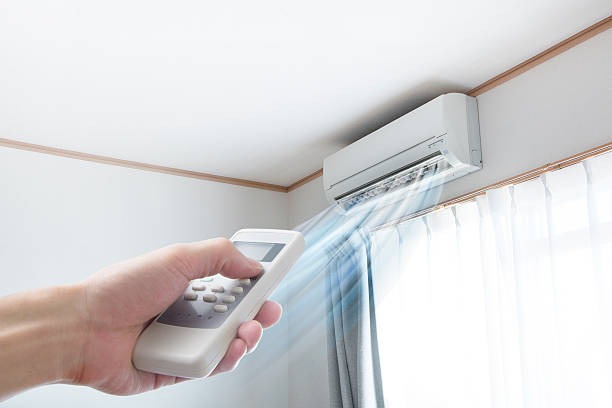
Why Hilliard homes choose mini-splits
- Zoned comfort: control temperature independently in bedrooms, basement rec rooms, and additions common in Hilliard neighborhoods.
- Better humidity control: Ohio summers bring high humidity; mini-splits remove moisture while cooling.
- Ductless or duct-minimal installs: ideal for older Hilliard homes with limited or inefficient ductwork.
- Energy efficiency: modern inverter-driven compressors reduce electricity use compared with older single-speed systems when sized and installed correctly.
Common mini-split issues in Hilliard and what proper installation prevents
- Insufficient capacity from poor load calculations, leading to short-cycling or weak dehumidification
- Improper placement causing uneven airflow or hot/cold spots
- Under-sized electrical supply or improper disconnects that create safety risks
- Refrigerant leaks and incorrect charging that lower efficiency and shorten equipment life
- Poor drainage routing that creates indoor condensation problems during humid months
A professional end-to-end installation addresses these issues from the start.
Typical mini-split installation process (step-by-step)
- Site survey and load calculations
- A technician inspects the space, orientation, insulation, window area, occupancy patterns, and existing heating system.
- A Manual J style load calculation determines required capacity per zone to avoid oversizing or undersizing.
2. System selection and placement planning
- Choose indoor unit styles (wall-mounted, low-profile, floor console, or cassette) that fit room use and aesthetics.
- Locate outdoor unit on a level pad, away from prevailing winds and neighbors, and sized for airflow and service access.
- Plan refrigerant line paths, condensate routing, and electrical routing to minimize wall penetrations and preserve finishes.
3. Permitting and code compliance
- Secure local permits required by Hilliard and Franklin County building departments and ensure work meets Ohio electrical and mechanical codes.
- Installers follow refrigerant handling regulations and use licensed electricians for service disconnects and required circuiting.
4. Electrical and structural preparation
- Install or upgrade circuit breakers, disconnects, and grounding to meet manufacturer specifications.
- Prepare the mounting surface and run conduit or line-set chases; reinforce walls or floor mounts where necessary.
5. Refrigerant line and condensate installation
- Run insulated copper refrigerant lines between indoor and outdoor units with proper slope and protective coverings.
- Install condensate drains routed to proper disposal points or condensate pumps for basements or remote units.
6. Outdoor unit placement and mounting
- Set the outdoor unit on a vibration-isolating pad or brackets; provide clearance for airflow and service access.
- Secure outdoor lines and weatherproof wall penetrations.
7. Evacuation and charging
- Vacuum the lines to remove air and moisture, then charge refrigerant according to manufacturer specs and measured subcooling/superheat rather than guesswork.
8. System commissioning and performance testing
- Run the system through cooling and heating cycles, verify airflow, temperature differentials, refrigerant pressures, and electrical draw.
- Adjust controls, fan speeds, and refrigerant charge to meet performance targets established during load calculations.
9. User orientation
- Explain remote or wall control functions, energy-saving modes, filter access and cleaning, and recommended thermostat schedules.
- Provide documentation on warranties, operating tips, and scheduled maintenance intervals.
10. Jobsite cleanup and final inspection
- Remove debris, seal penetrations, and leave the work area neat. Complete any required final inspections with local building authorities.
What we test and verify during commissioning
- Temperature split (supply vs return) and proper airflow for each indoor unit
- Refrigerant pressures and calculated superheat/subcooling to ensure correct charge
- Electrical connections, amperage, and proper breaker sizing
- Condensate flow and trap integrity to prevent indoor leaks
- Communication between outdoor and indoor units on multi-zone systems
- Noise and vibration levels to ensure comfortable operation in living spaces
Typical project timeline and what affects it
- Single-zone installs (one indoor unit): often completed in a single work day, from site prep through commissioning.
- Multi-zone installs (two to four zones): commonly require 1 to 3 days depending on line-set lengths, wall penetrations, and electrical work.
- Larger systems or complex retrofits (many indoor units, extensive electrical upgrades, or structural work): may take several days to a week.Factors that extend timelines: need for electrical service upgrades, long refrigerant line runs, difficult access, historic home preservation rules, or the timing of inspections by local authorities.
Budgeting considerations (what impacts cost)
- Number of zones and indoor unit styles selected
- Complexity of electrical work or need for a dedicated circuit/service panel upgrade
- Length and routing complexity of refrigerant lines and condensate runs
- Need for permits and required inspection fees in Hilliard/Franklin County
- Upgrades such as smart controls, protective outdoor covers, or anti-vibration pads
While exact costs vary by project, these are the primary variables that determine the investment required.
Post-installation service and maintenance recommendations
- Clean or replace indoor filters every 1 to 3 months depending on use and indoor air quality.
- Schedule an annual service that includes coil cleaning, electrical checks, refrigerant verification, and condensate drain inspection — ideally before summer and before winter.
- Inspect outdoor unit clearances seasonally and keep the area free of leaves and debris during Hilliard’s fall and spring.
- Enroll in a maintenance plan or seasonal tune-ups to maintain efficiency, prevent breakdowns during peak summer heat, and preserve manufacturer warranties.
Why proper installation matters in Hilliard, OH
A correctly sized and installed mini-split maximizes comfort through Hilliard’s humid summers and provides efficient supplemental heat during chilly Ohio winters. Proper permitting and code compliance protect your investment and home. Most importantly, professional commissioning ensures the system actually performs the way it was designed to, delivering reliable zone comfort, lower operating costs, and longer equipment life.
For homeowners in Hilliard considering a mini-split, a full-service installation covering load calculations, code-compliant electrical and refrigerant work, careful placement, and thorough commissioning is the difference between a short-term upgrade and a long-term solution.
Hot Deals & Cool Savings

.webp)
New Service Agreement Membership
.webp)
Any New Client Service
Next Service for Referring a New Client
New Service Agreement Membership
Any New Client Service
Next Service for Referring a New Client
.webp)
.webp)

Service Areas
