
Mini Split Repair in Hilliard, OH
Mini split repair in Hilliard, OH with clear diagnostics, transparent pricing, and emergency options. Learn more about repair vs. replacement today.

Mini Split Repair in Hilliard, OH
Ductless mini-split systems are a popular choice in Hilliard homes for targeted comfort, basement or addition heating and cooling, and efficient zoning. When a mini-split stops cooling, makes unusual noises, or fails to heat through central Ohio’s cold months, the disruption is immediate.
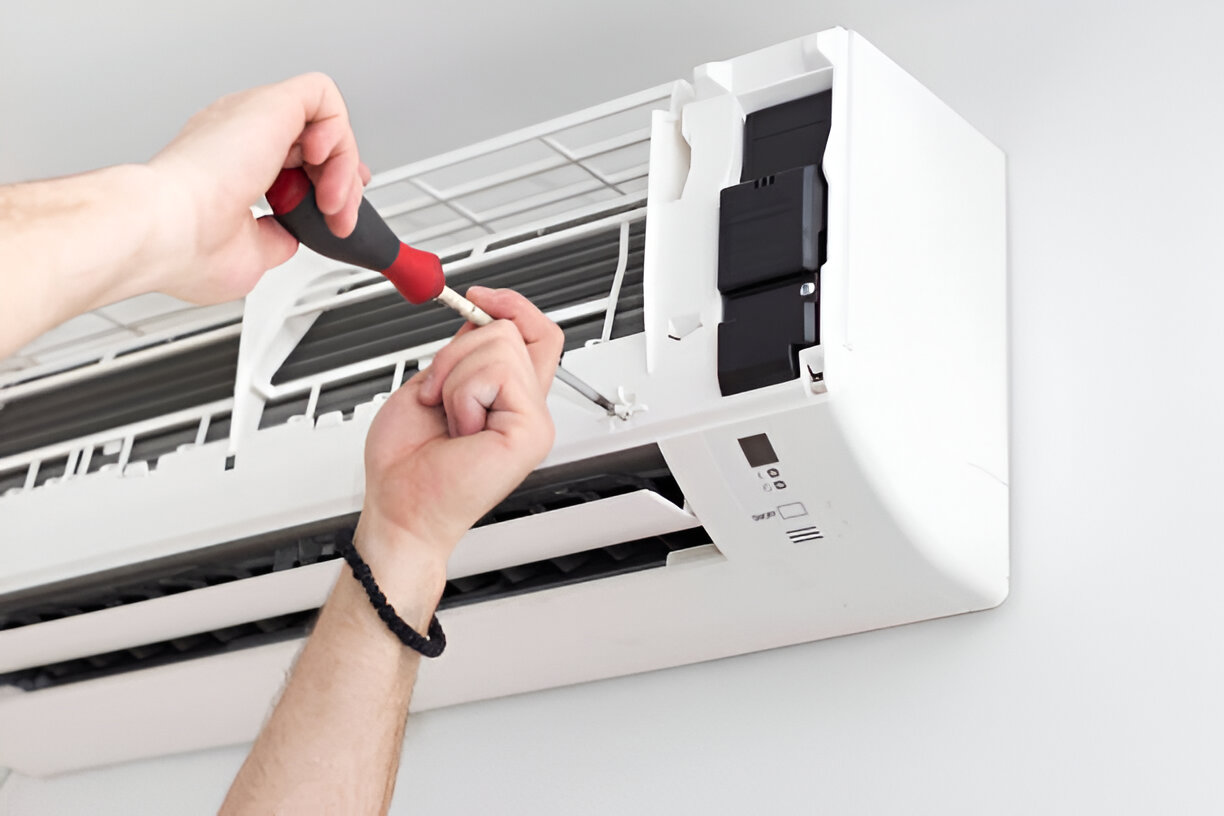
Why timely mini-split repair matters in Hilliard
Hilliard experiences humid summers and cold, sometimes prolonged winters. A failing mini-split can lead to higher energy bills, uneven comfort in living spaces, and, in heat mode, loss of reliable heating during freezing nights. Addressing faults quickly prevents secondary damage (like compressor burnout or coil corrosion) and keeps systems operating efficiently as outdoor temperatures swing.
Common mini-split faults in Hilliard homes
- Refrigerant leaks — Signs include reduced cooling capacity, longer run times, or ice on the evaporator coil. Humidity and freeze/thaw cycles can make small leaks more apparent during seasonal transitions.
- Compressor failure — The outdoor unit hums or clicks but does not start; this is a high-impact fault that often requires a major repair or replacement.
- Fan motor problems (indoor or outdoor) — Noisy bearings, intermittent operation, or a fan that doesn’t start. These reduce airflow and system efficiency.
- Electrical issues — Tripped breakers, burned connectors, faulty capacitors, or control board failures can interrupt operation or cause erratic behavior.
- Sensor and control problems — Thermostat or onboard sensor faults lead to short cycling, incorrect temperature reading, or systems refusing to change modes.
- Drainage and condensate problems — Clogged drain lines or improper condensate handling can cause indoor leaks and mold risk.
- Frozen evaporator coils — Often caused by low refrigerant, airflow restriction, or defrost control failures, more noticeable during humid spring or fall.
Technician troubleshooting and testing steps
Technicians follow methodical diagnostic steps to find root causes and avoid unnecessary part swaps:
- Visual and audible inspection of indoor and outdoor units for obvious damage, debris, or signs of oil (a refrigerant leak indicator).
- Electrical testing of power at the disconnect, capacitors, contactors, and control boards with meters to identify shorts, open circuits, or weak components.
- Airflow assessment by checking filters, blower operation, and ductless air handler mounting/panels for restrictions.
- Refrigerant pressure testing using gauges to confirm proper charge and locate leaks; if low, a leak search is performed with electronic detectors or dye.
- Compressor and motor evaluation including amp draw testing to determine if motors or compressors are failing.
- Control and sensor calibration checks to ensure thermostats, remote sensors, and the unit’s PCB communicate and respond correctly.
- Defrost and condensate checks to diagnose freezing issues or indoor leakage.
Technicians will explain findings in plain language and outline options: minor repair, refrigerant recharge plus leak repair, part replacement, or replacement.
Expected repair timelines
- Diagnostics: Most on-site diagnostics are completed within 1 to 2 hours.
- Minor repairs (thermostat, sensor, fan motor replacement, electrical connectors): often completed the same day, typically 1–4 hours on site.
- Refrigerant leak repair: location and access determine time; small accessible leaks often fixed same day, larger or hard-to-reach leaks may require multiple visits. Expect 1–2 days if parts or vacuum/recharge procedures are needed.
- Compressor replacement or major outdoor unit repairs: typically 1–2 days depending on part availability and permitting needs. If a full replacement is recommended, schedule and lead times can extend to several days to a few weeks.
Parts and labor details
Common parts replaced in mini-split repairs:
- Refrigerant (only after leak repair and recovery procedures)
- Compressor
- Fan motors (indoor blower or outdoor condenser fan)
- Capacitors and contactors
- Control boards and sensors
- Expansion valves and TXV components
- Drain pans and condensate pumps
Labor time varies with complexity and accessibility. Simple sensor or capacitor changes are lower labor; compressor swaps and refrigerant recovery require specialized tools and EPA-certified technicians. In Hilliard homes with tight outdoor unit locations or second-story indoor heads, labor can be higher due to access.
Emergency repair options
Many Hilliard homeowners rely on their mini-split for primary heating or cooling in specific rooms. Emergency options typically include:
- Priority diagnostic visits outside normal business hours for no-heat or no-cool emergencies.
- Temporary fixes to restore safe operation (e.g., bypassing a failed sensor or installing a replacement fan motor) until a permanent part can be sourced.
- Safe shutdown and assessment when an electrical fault or refrigerant leak is detected to prevent further damage.
Emergency response availability varies; discuss after-hours options and estimated arrival windows with your service provider.
Pricing and estimates
Mini-split repair pricing depends on:
- Fault type and parts required (electrical vs mechanical vs refrigerant).
- Brand and model—OEM parts cost more for high-end brands or older systems.
- Accessibility and number of indoor heads serviced.
- Whether refrigerant recovery and leak repair are necessary.
- Labor time influenced by installation complexity and weather.
Technicians should provide a clear estimate that breaks out parts, labor, refrigerant costs, and any diagnostic fees. Estimates commonly include warranty terms for the work performed.
Warranty and brand coverage
- Manufacturer warranties cover specific parts for stated periods and vary by brand and model year. Compressor warranties are often longer than other components.
- Labor warranties are typically offered by service providers for a set period after repair; confirm length and what is covered.
- For older mini-splits, parts for discontinued models can be difficult to source; in those cases, the technician will note if non-OEM compatible components are used and what that means for warranty and future reliability.
Confirm any remaining manufacturer warranty before authorizing major repairs, as some repairs may be covered partially or fully.
Repair vs replacement: deciding factors for Hilliard homeowners
Repair is recommended when:
- The unit is relatively new (typically under 7–10 years) and the fault is isolated (sensor, fan motor, minor leak).
- The repair cost is a modest fraction of replacement and the system otherwise runs efficiently.
- Manufacturer warranty or available OEM parts make repair practical.
Replacement should be considered when:
- The mini-split is older (10+ years), especially if using phased-out refrigerants like R-22 that are costly to service.
- The compressor or multiple major components have failed, and repair costs approach 50% or more of full replacement.
- You experience recurring breakdowns, rising energy bills, or uneven comfort—signs that efficiency has degraded.
- You want a higher efficiency model or additional indoor heads for better zoning, which can lower long-term operating costs in Hilliard’s variable climate.
Final decisions should factor in expected remaining service life, energy savings from newer models, and any local incentives or equipment rebates available for high-efficiency heat pumps.
Maintenance and prevention
Regular preventive maintenance keeps mini-splits reliable: seasonal filter cleaning, annual tune-ups to check refrigerant pressure and electrical connections, and keeping outdoor units clear of debris and snow. For Hilliard homes, scheduling maintenance before peak summer and winter seasons helps avoid emergency repairs when temperatures are extreme.
This overview equips Hilliard homeowners to understand common mini-split faults, what thorough diagnostics look like, reasonable timelines and cost drivers, warranty considerations, and the practical threshold for repair versus replacement. When evaluating service options, ask for a clear written estimate, a description of the diagnostic steps taken, and the warranty terms for parts and labor.
Hot Deals & Cool Savings

.webp)
New Service Agreement Membership
.webp)
Any New Client Service
Next Service for Referring a New Client
New Service Agreement Membership
Any New Client Service
Next Service for Referring a New Client
.webp)
.webp)

Service Areas
