
Mini Split Installation in Lithopolis, OH
Mini Split Installation Lithopolis, OH: professional, energy-efficient ductless cooling and heating. Learn about the installation process, permits, commissioning, and care.

Mini Split Installation in Lithopolis, OH
Ductless mini-split installation in Lithopolis, OH offers a flexible, energy-efficient alternative to central HVAC—especially for older village homes, additions, basements, and rooms where extending ductwork is impractical. With humid Ohio summers and cold winters, properly installed ductless systems deliver targeted cooling and heating without the energy loss of ducts.
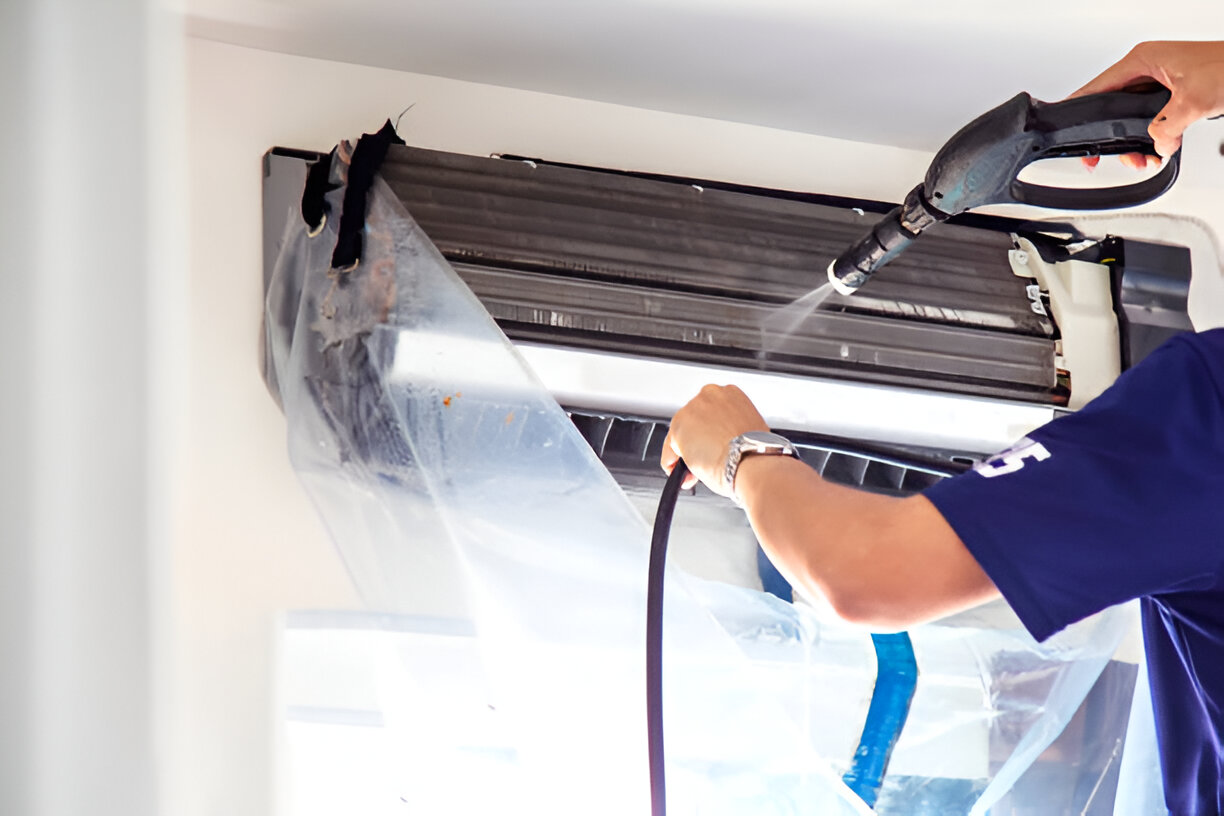
Why choose a mini-split in Lithopolis
- Homes in Lithopolis range from historic cottages to modern builds and often have rooms isolated from central systems; ductless mini-splits provide zoned comfort.
- High summer humidity and variable spring/fall temperatures make inverter-driven mini-splits attractive for efficient, consistent temperature control.
- Mini-splits are a good choice for finished basements, new additions, sunrooms, accessory units above garages, and small commercial spaces where running ducts is disruptive or costly.
Common mini-split types and common issues in Lithopolis
- Single-zone wall-mounted units: most common for one room or small addition.
- Multi-zone systems: serve several rooms from one outdoor compressor—useful for whole-house retrofit without ducts.
- Ceiling cassette, floor-mounted, and ducted mini-splits: options when aesthetics or placement are priorities.
Common installation problems to avoid
- Incorrect sizing (oversized systems short-cycle in humid months).
- Poor indoor unit placement causing uneven airflow or drafts.
- Improper refrigerant charge or inadequate vacuuming leading to poor efficiency and reliability.
- Inadequate electrical upgrades or improper disconnecting means.
- Poor condensate drainage resulting in leaks or mold.
- Outdoor unit placed too close to property lines, fences, or snow drift zones.
The professional installation process (step-by-step)
- Site evaluation and load calculation
- A trained technician inspects each space and performs a room-by-room load calculation (Manual J or equivalent). This considers insulation levels, window orientation, sun exposure, occupancy, and any heat-producing equipment to determine correct system capacity.
- In Lithopolis homes, factors like older single-pane windows or uninsulated crawl spaces are accounted for so the system is neither undersized nor oversized.
2. Choosing indoor and outdoor unit locations
- Indoor units are sited for comfort, airflow, and aesthetics—typically high on a wall for wall-mounts, centered in the room for cassettes, or low for floor models.
- Outdoor units need stable, level support, good clearance for airflow, and protection from snow accumulation. Placement also considers neighbor privacy and local noise expectations in a small village setting.
3. Refrigerant line, drain, and electrical preparation
- Technicians route slim refrigerant line sets, control wiring, and a condensate drain through a minimal hole in the exterior wall, concealing and sealing penetrations.
- Electrical work includes installing a dedicated circuit, disconnect means per code, and verifying existing service can support the new compressor. Many installations in older Lithopolis homes require modest panel upgrades.
4. Evacuation, pressure testing, and charging
- The refrigerant lines are vacuumed to remove moisture and air, pressure tested for leaks, and then charged to the manufacturer’s specification. Correct refrigerant charge is essential for performance and warranty compliance.
5. Commissioning and performance testing
- Start-up tests verify proper electrical readings, airflow, refrigerant pressures, temperature split, and control communications between indoor and outdoor units.
- Technicians measure system performance under a variety of conditions and adjust settings to optimize efficiency and comfort.
Code, permits, and paperwork
- Permits are commonly required for new HVAC equipment and electrical modifications in Ohio municipalities. Professional installers handle permit applications, ensure compliance with local building and electrical codes, and schedule inspections as needed.
- Proper permitting protects homeowners, ensures safe installations, and is often necessary for equipment warranties and future property transactions.
Post-installation: commissioning paperwork and homeowner documentation
- After installation you should receive completed commissioning forms, manufacturer warranty registrations, equipment manuals, and as-installed diagrams showing unit locations and electrical connections.
- Proper documentation makes future maintenance and any warranty claims straightforward and records the system capacity and charge as set at installation.
Care instructions and routine maintenance (what Lithopolis homeowners should expect)
- Regular filter cleaning or replacement: most units require monthly to quarterly attention depending on use and indoor air quality.
- Check and clear the outdoor unit of leaves, snow, and debris; maintain a few feet of clearance around the condenser.
- Keep condensate drain lines clear; observe for signs of leaks or rising humidity indoors.
- Annual professional tune-up: technicians check refrigerant levels, electrical connections, and controls and verify heating performance in colder months.
- During winter, protect outdoor units from heavy ice and drifting snow while maintaining airflow.
Tips for selecting the right mini-split system
- Right sizing: insist on a detailed load calculation rather than a rule-of-thumb tonnage estimate.
- Inverter-driven variable-speed compressors deliver better efficiency, quieter operation, and improved dehumidification during Ohio’s humid summers.
- Consider a heat pump mini-split if you plan to use the system for heating; modern cold-climate models work effectively through typical Lithopolis winters.
- Multi-zone vs single-zone: choose multi-zone when you want multiple rooms on one outdoor unit; weigh complexity and cost against potential energy savings and comfort.
- Noise and aesthetics: check indoor unit sound ratings and finish options; cassette or concealed duct models are available for more discreet installations.
- Warranty and serviceability: review parts and compressor warranties and ensure the installer documents as-built information for future service.
Benefits of professional installation
- Properly installed mini-splits maximize efficiency, comfort, and longevity while avoiding common problems like refrigerant leaks, insufficient airflow, and electrical shortcomings.
- Local knowledge matters: installers familiar with Lithopolis understand neighborhood constraints, typical home construction, and weather-related placement considerations.
- Documentation and permit handling protect your investment and ensure code compliance.
A correctly designed and installed mini-split system delivers quiet, zoned comfort and efficient year-round performance for Lithopolis homes and businesses. Professional site evaluation, careful placement, proper electrical and refrigerant work, and thorough commissioning are the keys to long-term satisfaction and system reliability.
Hot Deals & Cool Savings

.webp)
New Service Agreement Membership
.webp)
Any New Client Service
Next Service for Referring a New Client
New Service Agreement Membership
Any New Client Service
Next Service for Referring a New Client
.webp)
.webp)

Service Areas
