
Mini Split Repair in Lithopolis, OH
Mini Split Repair in Lithopolis, OH — Quick diagnostics, expert fixes, and reliable service. Learn more and schedule your repair today.

Mini Split Repair in Lithopolis, OH
Keeping a ductless mini split running reliably is essential for year-round comfort in Lithopolis, OH. With hot, humid summers and cold winters, homeowners and small businesses depend on efficient mini-splits for targeted cooling and supplemental heating.
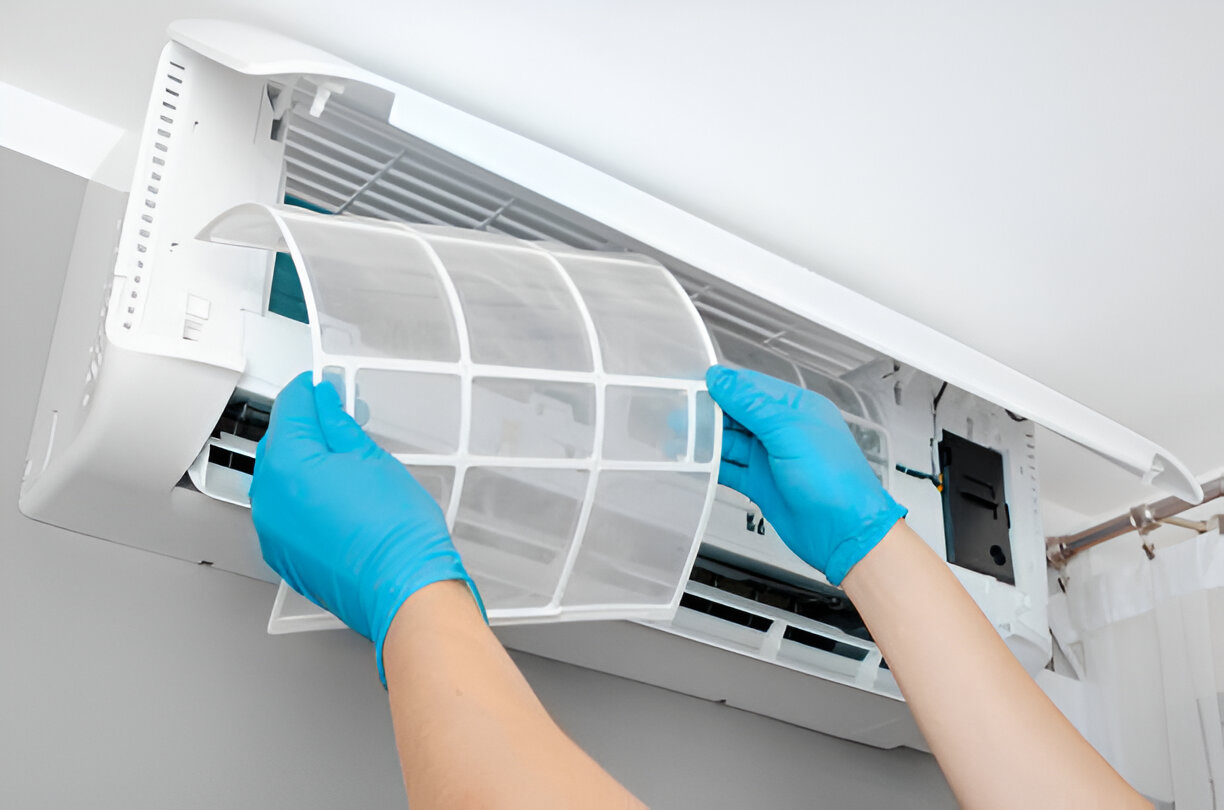
Why timely mini-split repair matters in Lithopolis, OH
- Local summers bring higher humidity that stresses cooling capacity and can mask refrigerant loss.
- Cold snaps in winter increase demand on systems used as heat pumps.
- Older homes and tighter installations in the area can make access and repairs more complex.
Prompt diagnosis and repair reduce energy waste, prevent secondary damage, and restore comfort faster.
Common symptoms and what they typically mean
- Unit not cooling or heating properly: Could be low refrigerant, failing compressor, clogged filters, or airflow obstruction.
- Outdoor unit not running while indoor unit operates: Often a compressor or outdoor fan motor failure, or an electrical/inverter board issue.
- Strange noises (clanking, grinding, hissing): Fan motor bearings, debris in the condenser, or refrigerant leaks.
- Frequent cycling or system short-cycling: Thermostat or control board faults, inverter problems, or improperly sized unit.
- Ice buildup on evaporator coil: Restricted airflow, low refrigerant, or stuck reversing valve on heat pump models.
- High electric bills with reduced performance: Failing inverter board or compressor inefficiency.
Typical component failures and repair approach
Below are the components that most commonly require service, with plain-language explanations of diagnosis and typical fixes.
- Compressor problems
- What it does: The compressor circulates refrigerant and is the heart of the outdoor condensing unit.
- Signs: Outdoor unit is silent, indoor blows ambient air, or system trips breakers.
- Diagnosis: Voltage and current tests, pressure checks, compressor lock tests.
- Repair options: Attempt start capacitor or contact replacement if salvageable; in many cases compressor replacement is required. Compressor issues are major repairs because they involve refrigerant recovery and system evacuation.
- Inverter board and electronic control failures
- What it does: The inverter board controls motor speeds and system modulation for efficiency.
- Signs: Error codes on indoor display, inconsistent performance, system failing to start.
- Diagnosis: Scan for error codes, inspect for burnt components or water damage, verify communication between indoor and outdoor units.
- Repair options: Board replacement or component-level repair when possible. Modern inverter systems require precise electronic diagnostics.
- Fan motor and blower issues
- What it does: Moves air across coils indoors and outdoors for heat exchange.
- Signs: Reduced airflow, rattling sounds, overheating.
- Diagnosis: Motor amp draw test, visual inspection of blades and bearings, capacitor check.
- Repair options: Motor replacement, bearing repack, or fan blade repair. These are often faster repairs than refrigerant or compressor work.
- Refrigerant leaks and lines
- What it does: Refrigerant carries heat; leaks reduce capacity and can harm the compressor if run low.
- Signs: Loss of cooling, hissing noises, oil traces at fittings, or visible damage to lines.
- Diagnosis: Electronic leak detection, soap testing on fittings, pressure testing.
- Repair options: Repair or replace damaged line sets, evacuate and recharge per manufacturer specs, and perform leak repair verification. If a large leak exists or the system uses phased-out refrigerants, replacement may be preferable.
Emergency repair response
Mini-split emergencies in Lithopolis typically involve total loss of heating on a cold day, major refrigerant leaks, or electrical hazards. Emergency response includes:
- Rapid on-site diagnostic to determine whether a temporary fix is safe and effective.
- Safe system shut down if electrical or refrigerant hazards are present.
- Priority scheduling for critical components, with clear communication about parts lead times and next steps.
During cold weather, quick identification of heat pump failures is critical to maintain safe indoor temperatures.
Parts, labor, and what to expect
- What a repair visit includes: Visual inspection, system diagnostics, error code reading, pressure and electrical testing, and a written explanation of findings.
- Parts: OEM parts are recommended for reliability and to maintain manufacturer warranty; aftermarket parts may be used when documented and compatible. Parts availability can affect repair timelines.
- Labor: Labor covers on-site diagnosis, component replacement, refrigerant recovery and recharge when needed, system evacuation, and performance testing after repair. Complexity of access, multi-zone systems, and refrigerant handling requirements increase labor time.
- Regulatory handling: Refrigerant work follows EPA regulations and proper recovery and documentation.
Expected timelines (typical ranges)
- Diagnostic visit: Often completed the same day or within 24 hours of service arrival.
- Minor repairs (filters, fan motor, capacitor, control resets): Often completed in a single visit, from a couple hours to half a day.
- Refrigerant leak repair and recharge: May require multiple steps - leak location and repair, evacuation, and recharge - typically one to two days depending on access and parts.
- Major component replacement (compressor, inverter board): Could require ordering parts with multi-day lead times; actual onsite replacement often takes several hours once parts arrive.
Timelines can be longer in peak seasons when demand is high or for hard-to-source parts.
Warranties and service guarantees
- Most manufacturers provide parts warranties on compressors and major components; durations vary by brand and model.
- Reputable service providers typically offer a limited workmanship warranty on repairs, commonly covering labor for a defined short-term period after service.
- Warranty claims require proper documentation, proof of maintenance, and often use of OEM parts. Confirm what is covered before major work is started.
When replacement is recommended
Consider replacement of a mini-split when:
- The compressor fails on an older unit and repair cost approaches or exceeds reasonable value.
- The system uses an obsolete refrigerant that is costly or illegal to recharge.
- You have recurrent failures within a short timeframe, indicating systemic issues.
- Energy efficiency is poor and a modern heat pump or multi-zone system would deliver significant operating savings and improved comfort.
- The system no longer meets your heating or cooling load needs for your Lithopolis home due to renovations or added living space.
Maintenance to reduce repair needs
- Clean or replace filters every 1-3 months.
- Keep outdoor units clear of debris, vegetation, and snow in winter.
- Schedule annual or biannual tune-ups, including coil cleaning, electrical checks, and refrigerant pressure verification.
- Monitor for early symptoms such as odd sounds, erratic cycling, or reduced airflow so small issues are addressed before they become major repairs.
Well-executed mini-split repair restores comfort, improves efficiency, and extends system life. In Lithopolis, OH, proactive maintenance and prompt, symptom-driven diagnostics are the best defenses against disruptive failures and higher energy use.
Hot Deals & Cool Savings

.webp)
New Service Agreement Membership
.webp)
Any New Client Service
Next Service for Referring a New Client
New Service Agreement Membership
Any New Client Service
Next Service for Referring a New Client
.webp)
.webp)

Service Areas
