
Mini Split Installation in OSU, OH
Mini Split Installation OSU, OH: expert site evaluation, efficient zoned heating and climate control, warranties, and maintenance options. Learn more.

Mini Split Installation in OSU, OH
Installing a ductless mini-split is one of the fastest, most efficient ways to add zoned heating and cooling to homes and apartments near OSU, OH. Whether you live in a historic Bexley rowhouse, a compact off-campus apartment, or a modern home in Clintonville, a properly designed mini-split system solves common comfort problems: poor airflow to specific rooms, high energy use from whole-house HVAC, and the need for efficient supplemental heating and cooling.
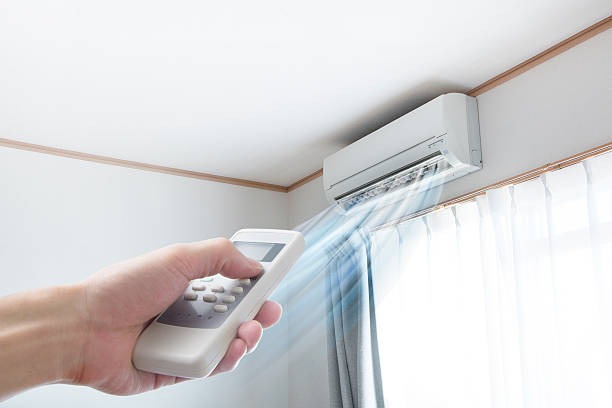
Why choose a ductless mini-split in OSU, OH
- Zoned comfort for multi-story and older homes common around OSU, where ductwork may be impractical.
- Efficient cooling for humid central Ohio summers and reliable heat pump performance for milder winter conditions.
- Minimal disruption and compact outdoor units suited to tight lots, apartments, and properties with historic façade requirements.
Common mini-split installation types and common issues in OSU
- Single-head wall-mounted systems for a single room or addition.
- Multi-zone systems with 2 to 6 indoor heads to condition multiple rooms independently.
- Floor- or ceiling-mounted units for rooms with unique layout or aesthetic restrictions.
- Common issues that drive installation projects in the OSU area:
- Inadequate cooling in bedrooms or sunrooms.
- Expensive whole-house cooling use for just one or two occupied rooms.
- Retrofit needs where cutting ducts is not possible or allowed by historic guidelines.
- Noise or space limitations that require strategic indoor/outdoor placement.
Pre-install site evaluation and load calculation
A correct mini-split installation starts with a thorough site assessment and an HVAC load calculation:
- Inspect room sizes, window orientation, insulation levels, and occupancy patterns.
- Evaluate existing electrical capacity and determine if a new breaker or dedicated circuit is needed.
- Identify best indoor unit locations for airflow and convenience, and a discreet outdoor unit location that meets City of Columbus and OSU neighborhood rules.
- Perform Manual J load calculations to size equipment properly. Oversized or undersized systems both reduce comfort and efficiency.
System selection and brand/warranty options
- Choose between single-zone and multi-zone systems based on the load calculation and your comfort goals.
- Compare inverter-driven mini-splits by efficiency rating, warranty coverage, noise level, and smart controls.
- Typical manufacturer warranties cover compressors and major components for a fixed period; extended labor warranties are available separately. Confirm what is covered and whether installation practices or registered system activation are required to maintain warranty validity.
Indoor and outdoor unit placement considerations
- Indoor placement: high on an interior wall for even airflow, away from obstruction; alternative mounts available for aesthetics or space constraints.
- Outdoor placement: level pad or bracket, accessible for service, and located to minimize noise and draft toward living spaces and neighboring properties.
- Pipe routing: plan shortest practical refrigerant line runs while maintaining required linear and vertical limits for the selected model.
Refrigerant line and electrical work
- Refrigerant lines and condensate drain lines are routed through a small 2 to 3 inch hole, sealed and trimmed for a finished appearance.
- Electrical work includes installing a dedicated circuit, disconnect switch, and interlock wiring between indoor and outdoor units.
- EPA refrigerant handling requirements apply. Proper evacuation, leak checking, and charging by weight or by superheat/subcooling are standard to ensure long-term reliability.
Permitting and code compliance in OSU, OH
- Most mini-split installations require a building or mechanical permit from the City of Columbus. University-adjacent neighborhoods may have additional historic or HOA guidelines.
- Installations adhere to local electrical code, refrigerant safety rules, and manufacturer mounting/clearance specifications to protect warranty coverage.
Post-installation testing and system setup
After mechanical work is complete, technicians perform comprehensive testing:
- Pressure and vacuum testing to confirm there are no leaks.
- Correct refrigerant charge verification using manufacturers recommended procedures.
- Airflow checks and balancing to ensure proper performance in each zone.
- Control setup: thermostats, remotes, and optional WiFi integration configured and demonstrated.
- Final walkthrough so you understand filters, schedules, and basic troubleshooting.
Expected project duration and factors that affect timeline
- Typical single-zone installs in an accessible home often take less than one day.
- Multi-zone systems, complex line runs, or installations that require electrical panel upgrades can span one to two days.
- Permit approval timelines can add several days to a few weeks depending on City of Columbus processing and any special district reviews around OSU.
What affects cost (without specific pricing)
- Number of indoor units and complexity of piping routes.
- Need for electrical upgrades, new breakers, or panel capacity increases.
- Mounting complexity for outdoor units, required permits, and any structural work.
- Choice of brand, efficiency level, and smart control options.
- Additional site work for historic façades or building access restrictions common near the university.
Recommended maintenance schedule
- Homeowner tasks: clean or replace filters monthly during heavy use, keep outdoor unit free of debris, and confirm condensate drain is clear.
- Professional service: annual or biannual tune-ups that include coil cleaning, refrigerant charge verification, electrical checks, and performance testing.
- Keep service records to maintain warranty validity and to spot gradual performance decline before major failures.
Benefits and long-term value
- Zoned temperature control reduces energy waste by conditioning occupied spaces only.
- Faster installation and less invasive work compared to duct additions or replacements common in older OSU-area homes.
- Quiet indoor operation and improved control options enhance comfort in bedrooms, home offices, and sunrooms.
- Properly installed and maintained mini-split systems provide dependable, efficient comfort year-round with warranties that protect major components.
A professional, code-compliant mini-split installation tailored to your OSU, OH property delivers efficient zoned comfort and long-term value. With careful load calculation, thoughtful indoor and outdoor placement, correct refrigerant and electrical work, and a documented maintenance plan, you can expect reliable performance that fits the urban, campus-adjacent living patterns common to the OSU area.
Hot Deals & Cool Savings

.webp)
New Service Agreement Membership
.webp)
Any New Client Service
Next Service for Referring a New Client
New Service Agreement Membership
Any New Client Service
Next Service for Referring a New Client
.webp)
.webp)

Service Areas
