
Mini Split Service in OSU, OH
Mini Split service in OSU, OH covers inspections, installations, repairs, and maintenance. Learn more and schedule service today.

Mini Split Service in OSU, OH
Mini-split systems are an ideal comfort solution for many OSU, OH homes and rental properties—especially buildings without existing ductwork, older campus-area houses, and multi-zone living spaces. In central Ohio’s hot, humid summers and cold winters, a properly sized ductless mini-split heat pump delivers reliable cooling, efficient supplemental heating, and precise zone control.
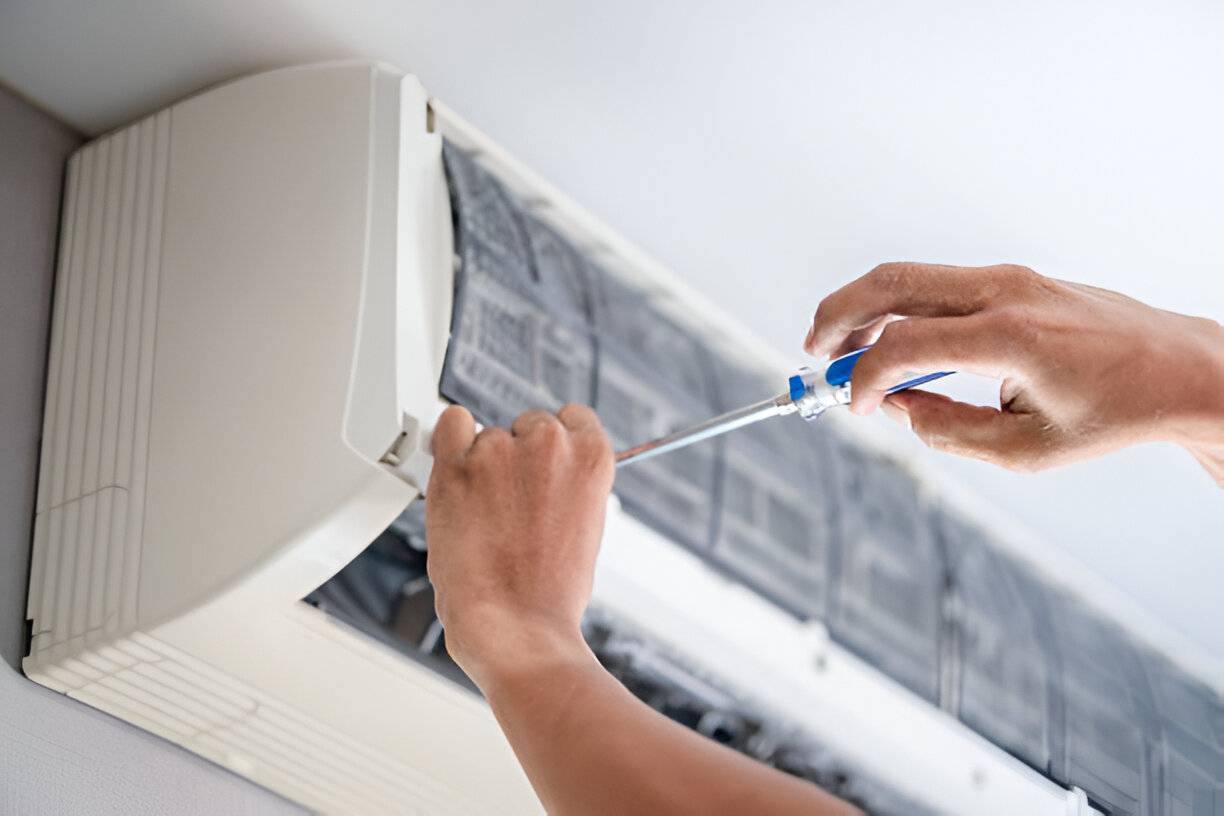
Why a Mini-Split Makes Sense in OSU, OH
- Zoned comfort for varied occupancy: student rentals, family rooms, bedrooms, and finished basements each get independent temperature control.
- Efficient cooling through humid summers: modern inverter-driven compressors match capacity to demand for lower running costs and improved dehumidification.
- Supplemental heating in winter: ductless heat pumps can handle mild to moderate cold spells, preserving furnace cycles and offering instant warmth where needed.
- Minimal disruption for older or historic homes near campus: wall- or ceiling-mounted indoor units require only a small penetration and little to no ductwork changes.
Common Mini-Split Service Types in the OSU Area
- Routine inspections and diagnostic checks to verify refrigerant charge, airflow, electrical connections, and control operation.
- Repair work: compressor issues, fan motor replacements, refrigerant leak location and repair, control board troubleshooting, and thermostat/interface fixes.
- Installations and replacements: single-zone and multi-zone systems, retrofit installs for homes without ducts, and full replacements when older systems fail.
- Seasonal tune-ups: spring cooling checks and fall heating checks to ensure peak performance during Columbus summers and winters.
- Parts and warranty work: OEM parts replacement, warranty processing, and manufacturer-authorized repairs.
- Indoor air quality (IAQ) accessories: upgraded filters, washable pleated filters, HEPA-compatible add-ons, and UV-C germicidal options to reduce airborne contaminants.
- Membership or maintenance plans: scheduled visits, priority service, and discounts on labor and parts.
Typical Diagnostic and Service Process
- Pre-service intake and history review: technician reviews recent complaints, system age, and prior maintenance history.
- On-site inspection: measurements of airflow, temperature differentials, refrigerant pressures (if accessible), condenser and evaporator condition, condensate drainage, and electrical safety checks.
- Clear explanation and options: if repairs are required, expect a plain-language breakdown of root causes, recommended fixes, and replacement options (single-zone vs multi-zone, efficiency differences).
- Repair or installation execution: repairs use tested methods for leak repairs, component replacement, or control updates. Installations include mounting indoor units, placing outdoor condensing units, running refrigerant lines, electrical hookups, system evacuation, and charge adjustments.
- System validation and homeowner orientation: performance verification, remote control programming, and basic maintenance tips are provided after service.
Installation and Replacement Considerations
- Proper sizing and load calculation: correct capacity prevents short-cycling, inefficient operation, and poor humidity control—especially important in OSU’s variable climate.
- Indoor unit placement: consider occupancy, sun exposure, airflow patterns, and noise sensitivity in bedrooms or study areas.
- Outdoor unit location: ensure adequate airflow, freeze clearance, and secure mounting on pads or brackets while conforming to neighborhood guidelines.
- Electrical requirements and permits: many installs require a dedicated circuit and possibly a permit from the city; documented inspections protect warranties and resale value.
- Multi-zone design complexity: adding multiple indoor heads requires careful refrigerant line planning and balancing for consistent comfort across rooms.
Repairs, Parts, and Warranty Work
- OEM parts and warranty service: use of manufacturer parts preserves warranty coverage and system longevity. Technicians can help document repairs and submit warranty claims when applicable.
- Common repairs in the OSU area: refrigerant leaks due to vibration or age, condensation/line clogs from seasonal humidity, and control/remote failures from heavy use in student-occupied units.
- Rapid diagnostics: experienced technicians isolate electrical vs refrigeration vs airflow problems to minimize time on site and reduce repeated service visits.
Indoor Air Quality Options
- Upgraded filters: higher-MERV washable or replaceable filters for better particle capture without restricting airflow.
- UV-C lights and germicidal options: installed in indoor units or air handlers to reduce microbial growth on coils and lower odors.
- Humidity management tips: in Columbus’ humid summer months, correct sizing and proper refrigerant charge improve dehumidification; in winter, combining a mini-split with whole-home humidification can prevent overly dry air.
Maintenance and Membership Plans
Membership plans for mini-splits typically include:
- Two seasonal tune-ups per year (cooling and heating checks)
- Priority scheduling during peak weather
- Discount on repairs and parts
- System performance reports and recommended improvementsA proactive maintenance plan extends equipment life, improves efficiency, and reduces the likelihood of emergency breakdowns—especially valuable for rental properties and multi-occupant homes around the university.
Service Area Coverage
Services are targeted to OSU, OH and surrounding Columbus neighborhoods where older housing stock, student rentals, and mixed-use buildings create high demand for ductless solutions. Nearby areas commonly serviced include University District, Short North, Victorian Village, Clintonville, and adjacent Columbus neighborhoods.
Common FAQs (Decision-Stage Questions)
Q: Are mini-splits quiet enough for bedrooms and study spaces?
A: Yes. Modern indoor units operate at low sound levels (often comparable to a quiet refrigerator). Proper placement and installation minimize vibration and audible operation.
Q: Can a mini-split heat my entire house in central Ohio winters?
A: For many homes, a ductless heat pump can handle most heating needs, but performance depends on insulation, square footage, and outdoor temperatures. In older, poorly insulated houses, a hybrid approach (heat pump plus furnace) is common.
Q: How often do mini-splits need maintenance?
A: At minimum, an annual professional tune-up is recommended; in humid climates or high-use situations, biannual checks (pre-summer and pre-winter) keep systems operating efficiently.
Q: What about refrigerant leaks and environmental concerns?
A: Refrigerant systems are sealed; leaks are addressed by locating and repairing leak points, then evacuating and recharging to manufacturer specifications. Technicians follow EPA guidelines for handling and disposal.
Q: Will installing a mini-split require structural changes?
A: Installations require small wall penetrations for refrigerant, condensate, and electrical lines and outdoor pad or bracket mounting. Most installs are non-invasive compared with ductwork retrofits.
Q: Do mini-splits improve indoor air quality?
A: They help by filtering air and providing controlled ventilation when paired with IAQ accessories. Filters and UV options further reduce particulates and microbial growth.
Q: Are there financing or rebate options?
A: Rebates and financing vary by program and manufacturer. Discussing available incentives during the planning stage helps identify cost-saving opportunities.
Final Notes on Reliability and Decision Factors
Choosing the right mini-split system for an OSU, OH property focuses on correct sizing, thoughtful indoor unit placement, and a maintenance plan that fits occupancy patterns. Prioritize systems with good manufacturer support, clear warranty terms, and professional installation that includes commissioning and homeowner education. Properly serviced mini-splits deliver targeted comfort, lower energy use for zoned spaces, and a quieter, less disruptive installation compared with ducted alternatives—advantages that are particularly valuable in the college and older-home environments found throughout the OSU area.
Hot Deals & Cool Savings

.webp)
New Service Agreement Membership
.webp)
Any New Client Service
Next Service for Referring a New Client
New Service Agreement Membership
Any New Client Service
Next Service for Referring a New Client
.webp)
.webp)

Service Areas
