
Mini Split Maintenance in Westerville, OH
Mini Split maintenance in Westerville, OH keeps zones comfortable year-round. Schedule a Tune-Up today for efficient cooling and reliable heating.

Mini Split Maintenance in Westerville, OH
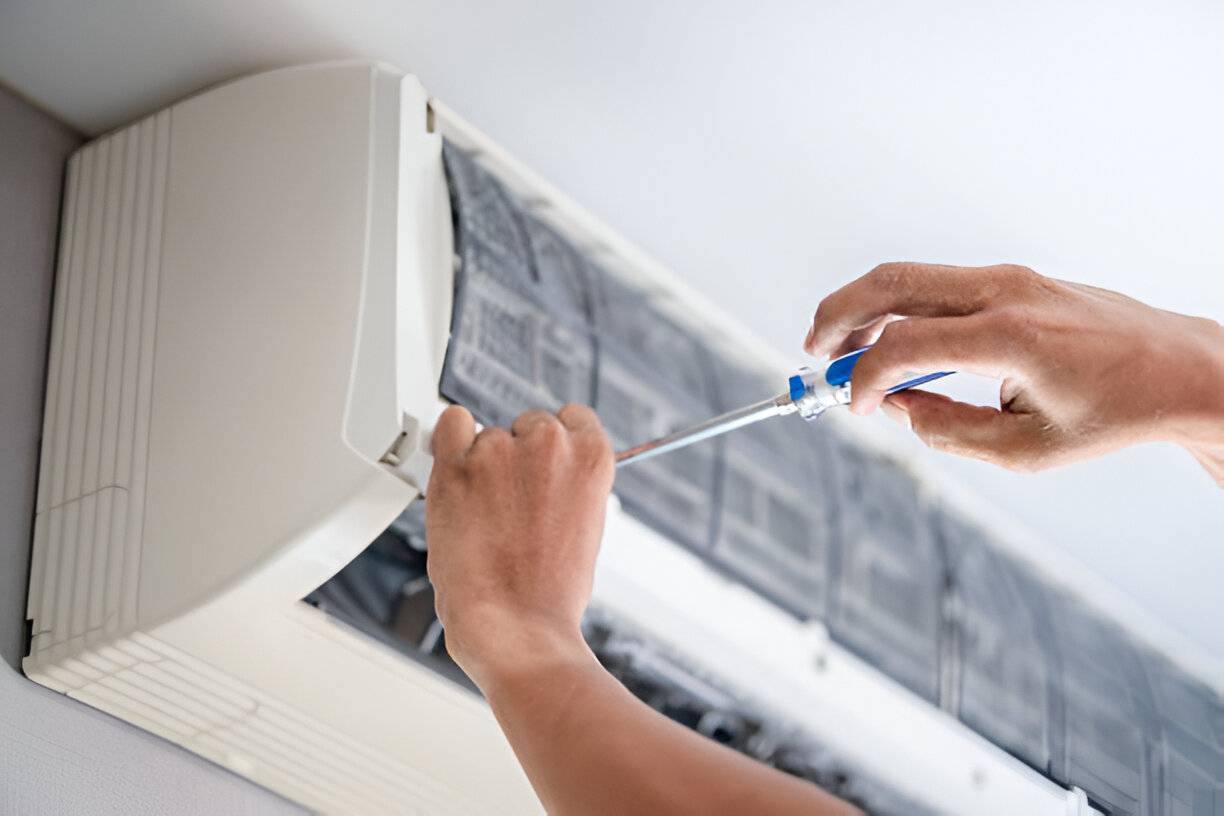
Mini-split systems are an efficient, flexible way to heat and cool zoned spaces in Westerville homes — from finished basements and additions to bedrooms and sunrooms. Regular maintenance keeps mini-splits running at peak efficiency, reduces the risk of emergency breakdowns during seasonal extremes, and extends equipment life. For homeowners in Westerville, OH, where hot humid summers and cold, snowy winters place different demands on ductless systems, a predictable maintenance program is a smart, cost-effective choice.
Why seasonal mini-split maintenance matters in Westerville
- Hot, humid summers increase cooling load and system run time, which accelerates wear and raises energy use if components are dirty or out of tune.
- Cold winters mean many mini-split heat pump systems run as primary or supplemental heat; frozen outdoor coils, inefficient defrost cycles, and low refrigerant can all reduce heating performance.
- Spring pollen and late fall leaf fall can clog filters and outdoor condensers, impairing airflow and heat transfer.Regular maintenance adapts the system to these local conditions so your mini-split delivers reliable comfort year-round.
Common mini-split problems in Westerville homes
- Reduced airflow or weak cooling/heating in one or more zones
- Increased energy usage and higher utility bills
- Ice accumulation on outdoor units in winter or frequent defrost cycles
- Strange noises from indoor heads or outdoor compressors
- Refrigerant leaks leading to loss of capacity and higher run times
- Clogged condensate drains causing water leaks or overflow
- Fault codes or communication errors between indoor and outdoor units
What a professional mini-split tune-up includes
A thorough seasonal tune-up focuses on performance, efficiency, and early detection of faults. Typical service tasks include:
- Visual inspection of indoor heads and outdoor condensing unit for corrosion, debris, and physical damage
- Filter cleaning or replacement to restore airflow and indoor air quality
- Coil cleaning of indoor evaporator and outdoor condenser coils to maintain heat transfer efficiency
- Refrigerant level check and system pressure testing to detect leaks or undercharge
- Airflow and performance testing, including measuring supply and return temperatures and checking airflow across indoor units
- Electrical safety checks: tighten connections, test capacitors, contactors, and motors
- Compressor and fan motor performance checks, including amp draw measurement
- Condensate drain and pan inspection and cleaning to prevent clogs and water damage
- Controller/remote and sensor calibration, and verification of proper communication between indoor and outdoor units
- Lubrication of accessible moving parts and checking mounting hardware for vibration issues
- Documentation of system condition and recommended repairs or replacements
Diagnostic approach — what technicians look for
Technicians work methodically to separate simple fixes from issues that require repair. Typical diagnostic steps:
- Start with system history and homeowner observations to focus the inspection.
- Check airflow and filter condition to rule out basic restrictions.
- Measure refrigerant pressures and temperatures to assess charge and heat exchange.
- Inspect electrical components and safety devices for wear and failure signs.
- Evaluate outdoor unit clearance, coil condition, and fan operation, especially important after Westerville winter salt and debris exposure.This approach identifies root causes rather than temporary symptoms, which reduces repeat service visits.
Repairs and solutions commonly performed
- Filter replacement and deep coil cleaning to restore capacity and efficiency
- Leak detection and refrigerant repair when pressures indicate undercharge
- Replacement of failed capacitors, fan motors, or control boards
- Drain line clearing or condensate pump repair to stop water leaks
- Rebalancing or repositioning indoor heads to improve airflow in problem zones
- Firmware updates or control module replacements to resolve communication faultsWhen repairs are necessary, addressing them during a scheduled maintenance visit prevents escalation into full failures during extreme weather.
Recommended maintenance frequency for Westerville systems
- Heat pump mini-splits (heating and cooling): twice a year — spring (cooling prep) and fall (heating prep).
- Cooling-only mini-splits: at least once a year before the heavy-use season, more often if the system serves high-use or dusty environments.
- High-use systems, homes with pets, or locations with heavy pollen or construction may need filter cleaning or replacement every 1–3 months between professional visits.Biannual visits are the industry best practice for maximizing efficiency and minimizing emergency repairs in climates with distinct seasons like central Ohio.
Membership and maintenance plan benefits
A formal maintenance membership makes regular care predictable and delivers benefits that matter at the decision stage:
- Priority scheduling for tune-ups and faster emergency response during cold snaps or heat waves
- Discounts on repairs and replacement parts compared to non-member service rates
- Scheduled seasonal tune-ups so maintenance is handled at the optimal time for cooling and heating seasons
- Extended equipment life and lower utility bills through proactive care and timely minor repairs
- Service records and documentation that preserve warranty coverage and make resale easierThese plan benefits reduce the risk of unexpected failures and spread the cost of upkeep across the life of the system.
How regular maintenance improves efficiency and reduces emergencies
- Clean filters and coils restore designed airflow and heat transfer so systems reach setpoints faster and run less, lowering energy costs.
- Early leak detection prevents long-term compressor damage that often leads to high-cost replacements.
- Tight electrical connections and healthy capacitors reduce the chance of sudden motor or control failures.
- Clearing drains and verifying defrost cycles prevents ice buildup and indoor water damage during Westerville winter conditions.Overall, a well-maintained mini-split uses less energy, delivers more consistent comfort, and has fewer emergency service calls.
Seasonal tips for Westerville homeowners
- After heavy pollen season in spring, check filters and indoor heads for buildup.
- Before the first freeze, confirm outdoor unit clearance from leaves and mulch and ensure the unit is mounted securely above potential snow accumulation.
- In winter, keep the outdoor unit free of snow and ice buildup and avoid using salt against the condenser base to minimize corrosion.
- If you convert a sunroom or add a finished space, plan for a professional load calculation to size a mini-split properly rather than assuming an existing unit can handle the extra load.
Regular, professional mini-split maintenance tailored to Westerville’s seasonal demands keeps your system efficient, reliable, and long-lived. Clear documentation of each visit, coupled with seasonal tune-ups and the benefits of a membership plan, protects comfort and investment through every Central Ohio season.
Hot Deals & Cool Savings

.webp)
New Service Agreement Membership
.webp)
Any New Client Service
Next Service for Referring a New Client
New Service Agreement Membership
Any New Client Service
Next Service for Referring a New Client
.webp)
.webp)

Service Areas
