
Mini Split Repair in Baltimore, OH
Mini Split repair in Baltimore, OH: fast diagnostics, on-site repairs, and lasting efficiency. Schedule service today.

Mini Split Repair in Baltimore, OH
Ductless mini-split systems are a popular, efficient way to heat and cool homes in Baltimore, OH — especially in older houses without ductwork or in additions and finished basements. When a mini-split fails, it can quickly affect comfort and indoor air quality.
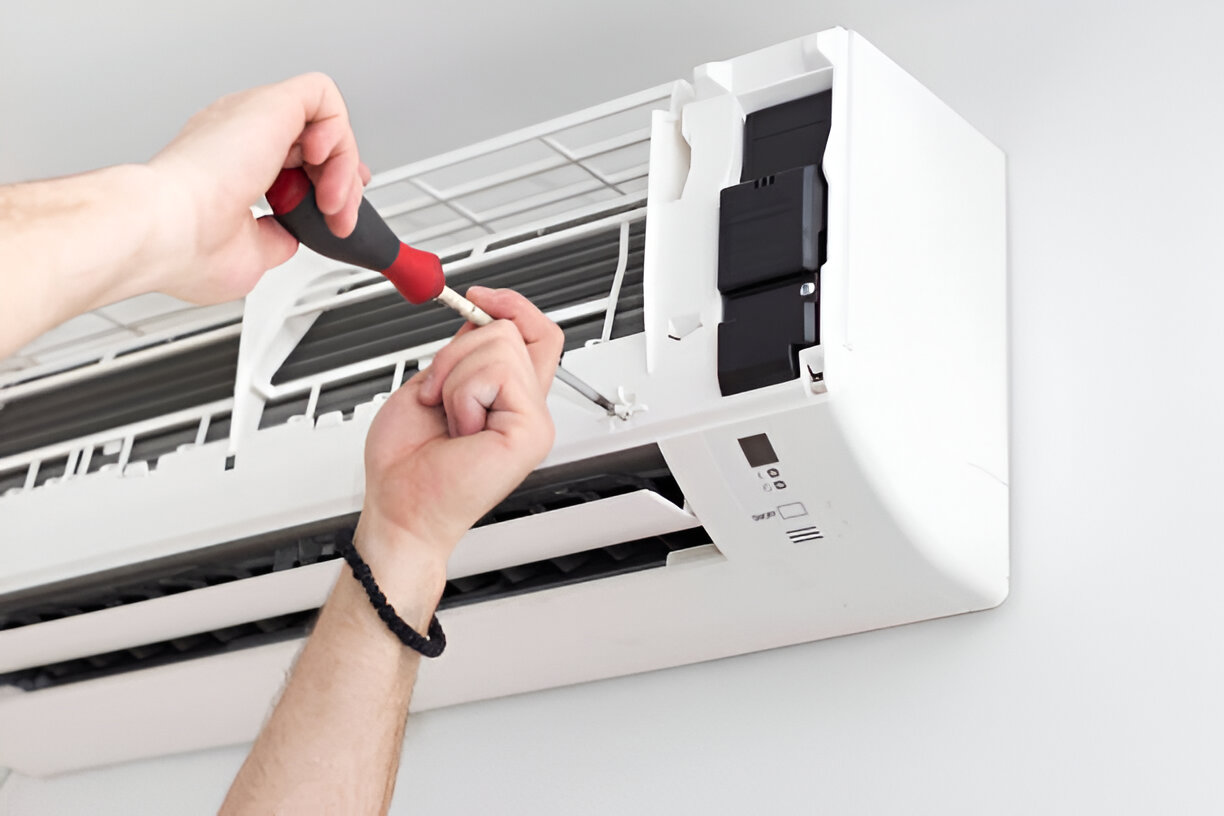
Why prompt mini-split repair matters in Baltimore, OH
Baltimore and central Ohio experience hot, humid summers and cold winters, which places seasonal stress on mini-split compressors, defrost cycles, and electrical components. Delaying repairs can lead to larger failures (for example, a small refrigerant leak that leads to compressor damage), reduced efficiency, higher energy costs, and possible loss of remaining warranty coverage. Fast, accurate repair preserves comfort, reduces long-term costs, and extends equipment life.
Common mini-split repair issues in Baltimore, OH
- Compressor failures — often caused by electrical faults, low refrigerant, or age-related wear. Symptoms: unit won’t cool/heat, outdoor unit humming without starting.
- Refrigerant leaks — signs include loss of cooling capacity, frosting on lines, and hissing noises. Ohio temperature swings and outdoor coil corrosion can accelerate leaks.
- Electrical faults — damaged capacitors, contactors, control boards, or wiring from storms, rodents, or general wear can prevent units from powering up or cycling correctly.
- Thermostat and control problems — remote or wall controller failures, communication errors, or sensor faults that cause intermittent operation or incorrect setpoints.
- Airflow and indoor unit issues — clogged filters, dirty coils, or failing fan motors causing poor airflow, uneven temperatures, or increased noise.
- Condensate and drain problems — clogged drain lines or pan issues leading to leaks or safety shutoffs.
- Inverter and PCB (electronic control) faults — modern variable-speed systems use inverter drives that can fail or signal faults, especially after power spikes.
Diagnostic procedure technicians use
Professional diagnostics focus on isolating the root cause quickly and avoiding unnecessary parts replacement:
- Initial interview and symptom log — collect model, installation age, recent behavior, and when symptoms started.
- Visual inspection — check indoor and outdoor units for damage, debris, insect or rodent activity, and visible leaks.
- Electrical testing — measure voltage, current draw, capacitor condition, and control board signals to identify electrical faults.
- Refrigerant system check — measure pressures and superheat/subcooling; inspect line sets and brazed joints for leaks. If a leak is suspected, electronic leak detectors and UV dye may be used.
- Airflow and coil inspection — examine filters, blower wheel, indoor coil and outdoor coil cleanliness and motor operation.
- Control and sensor verification — test remotes, wall controllers, temperature sensors, and communication between indoor and outdoor units.
- System-level run test — operate the system under load to replicate the issue and verify repair effectiveness.
Typical on-site repairs and solutions
- Capacitor or motor replacements — common, quick fixes for units that won’t start or that are noisy.
- Control board or thermostat replacement — swaps of faulty PCBs or controllers to restore proper communication and operation.
- Refrigerant leak repair and recharge — locate and repair leak (brazing or replacing sections), evacuate and vacuum the system, then recharge to manufacturer spec. Requires certified refrigerant handling.
- Compressor or outdoor unit replacement — if the compressor is seized or irreparably damaged, outdoor assembly replacement or compressor swap is performed. This often involves refrigerant recovery and recycling and careful system evacuation.
- Fan blade or indoor unit repairs — replace blower motor, fan blades, or clean/repair indoor evaporator components to restore airflow.
- Drain cleaning and condensate pump service — clear clogs and replace failed pumps to stop indoor leakage.
- Line-set insulation and mounting repairs — replace degraded insulation and secure line-sets to prevent energy loss and moisture issues.
Parts, warranties, and parts replacement guidance
- OEM (original equipment manufacturer) parts generally provide the most reliable fit and maintain manufacturer warranty integrity. Aftermarket parts may be available but can affect warranty coverage.
- Warranties commonly cover parts for a variable period depending on manufacturer and component (compressors often have longer warranty terms than electronics). Verify the original installation documentation for remaining coverage and whether repairs require authorized parts or certified installation to preserve warranty.
- When replacing major components (compressor or outdoor unit), technicians will document serial numbers and replacement parts, and may suggest registration steps required by the manufacturer.
Estimated repair timelines (what to expect)
- Minor electrical or control repairs (capacitor, relay, controller): typically 1–3 hours on-site.
- Filter, coil, or fan motor service: 1–4 hours depending on access and parts availability.
- Refrigerant leak diagnosis and repair: same-day to 1–2 days. Accurate leak finding and brazing take time; system evacuation and proper recharge are essential.
- Compressor or outdoor unit replacement: half day to full day when parts are stocked. If special-order parts are required, turnaround can extend to multiple days depending on availability.
- Complex inverter or PCB failures: may require ordering specific modules; repair can be same-day if parts in stock, otherwise several days.
Note: actual timelines depend on parts availability, system age, model, and whether refrigerant must be reclaimed and special parts ordered.
Warranty and parts information to review before repair
- Confirm existing warranty documents before authorizing significant repairs.
- Ask whether replaced parts carry a new parts warranty and whether installation work includes a workmanship guarantee.
- For systems with expired warranties, weigh the cost and expected remaining life of the unit against major repairs.
Preventing future mini-split breakdowns in Baltimore, OH
- Seasonal maintenance: schedule annual or biannual tune-ups before peak cooling and heating seasons to inspect refrigerant charge, electrical connections, filters, coils, and drains.
- Keep outdoor units clear: remove leaves, grass clippings, and snow; maintain at least 2 feet of clearance around the outdoor unit to ensure airflow.
- Change or clean filters regularly: every 1–3 months depending on use and household conditions.
- Protect from power surges: use surge protection to reduce control board and inverter failures from lightning or utility spikes.
- Address minor issues early: unusual noises, decreased performance, or brief cycling often precede major failures. Early attention prevents larger repairs.
- Proper thermostat habits: avoid wide temperature swings and let automatic modes manage defrost cycles to reduce strain on components.
Emergency and same-day repair expectations
Many local HVAC service providers serving Baltimore, OH offer priority dispatch or emergency response for failing mini-splits, especially during heat waves or cold snaps. Typical emergency/same-day processes include rapid symptom triage, prioritized scheduling, onsite diagnosis, and temporary stabilizing measures (such as temporary refrigerant top-off or fan motor replacement) followed by any required follow-on repairs once parts are obtained. To expedite service, have the system model and age, a brief description of symptoms, and clear access to indoor/outdoor units ready for the technician.
Benefits of timely mini-split repair
Timely professional repair restores comfort quickly, prevents secondary damage (for example, compressor burnout after prolonged refrigerant loss), maintains energy efficiency, and protects any remaining warranty coverage. For Baltimore, OH homes dealing with humidity and temperature extremes, dependable mini-split operation is essential for year-round comfort.
For homeowners in Baltimore, OH, understanding the likely causes, diagnostic steps, and realistic timelines helps set expectations and ensures repairs are done correctly and with long-term reliability in mind.
Hot Deals & Cool Savings

.webp)
New Service Agreement Membership
.webp)
Any New Client Service
Next Service for Referring a New Client
New Service Agreement Membership
Any New Client Service
Next Service for Referring a New Client
.webp)
.webp)

Service Areas
