
Mini Split Tune-Up in Baltimore, OH
Get a thorough mini split Tune-Up in Baltimore, OH to boost efficiency and reliability. Schedule your service now for peak comfort.

Mini Split Tune-Up in Baltimore, OH
A focused mini-split tune-up in Baltimore, OH keeps your ductless system running efficiently, quietly, and reliably through humid summers and cold Ohio winters. Whether you rely on a single-zone unit for a finished basement or a multi-zone heat pump for whole-home comfort, a professional tune up addresses small problems before they become breakdowns, improves seasonal performance, and extends equipment life — all important in central Ohio’s wide temperature swings and high summer humidity.
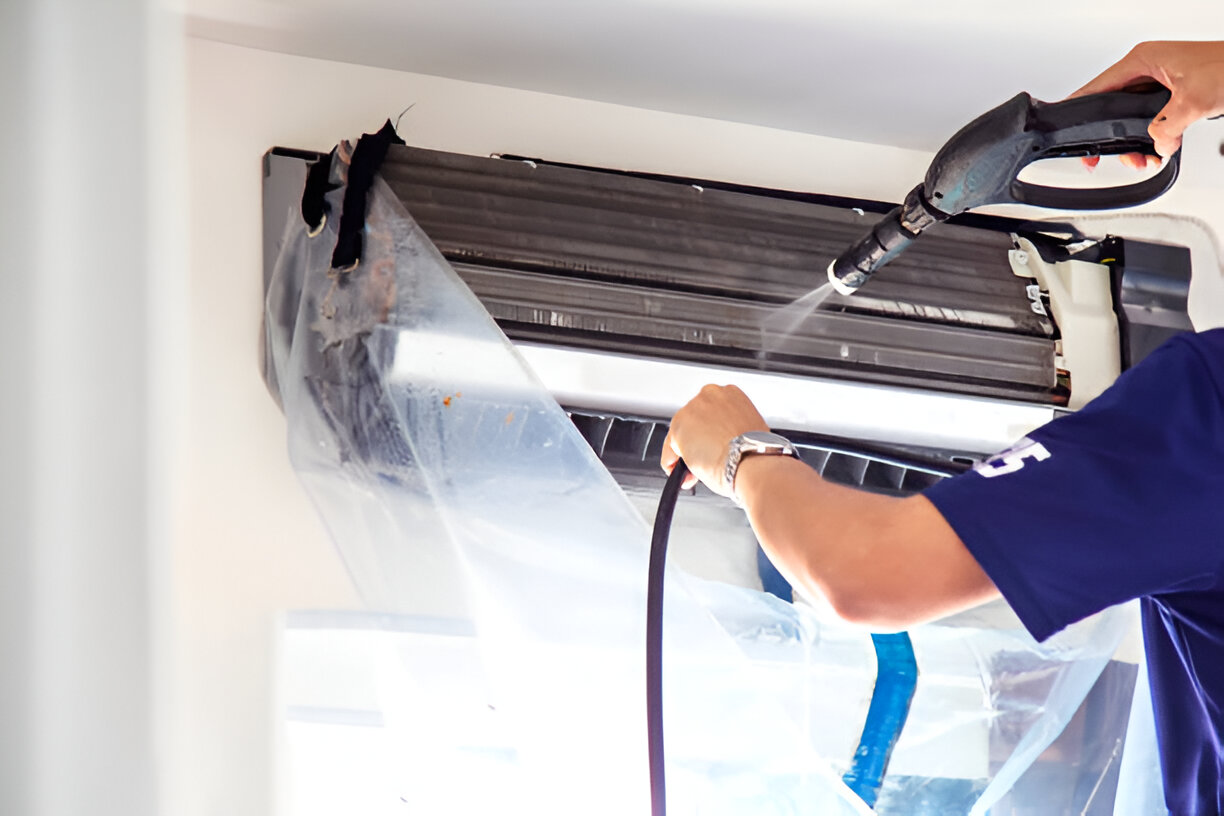
What a Mini-Split Tune Up Covers
A thorough tune up follows a consistent checklist so technicians don’t miss common failure points. A typical service includes:
- Filter cleaning or replacement to restore airflow and indoor air quality
- Indoor coil and outdoor coil cleaning to improve heat transfer and reduce frosting/short-cycling
- Airflow and blower inspection including fan blades, motor operation, and measured airflow where possible
- Refrigerant and pressure checks to confirm the correct charge and identify leaks or under/overcharge conditions
- Thermostat and control calibration to ensure setpoint accuracy and correct communication with the outdoor unit
- Electrical connection tightening and inspection of contactors, capacitors, and wiring for signs of wear or overheating
- Noise and vibration assessment to locate loose mounts, fan imbalance, or compressor issues
- Drain line and condensate pan inspection and cleaning to prevent backups and water damage
- Outdoor unit area check (clearance, debris, vegetation) to maximize airflow and efficiency
- Inverter and variable-speed system diagnostics (where applicable) to verify soft-start functions and error codes
Typical Duration
- Single-zone mini-split: about 60 to 90 minutes for the full checklist and baseline testing.
- Multi-zone system: 1.5 to 4 hours depending on number of heads, accessibility, and any additional diagnostics required.
Technicians adjust time for older systems, units with heavy coil fouling, or when refrigerant correction is necessary.
Diagnostic Process — What We Test and Why
A tune up starts with a baseline inspection, then moves through targeted diagnostics:
Visual & mechanical inspection
- Look for oil stains (possible leaks), corrosion, and physical damage.
- Check mounting, weather seals, and drainage paths.
Electrical & control checks
- Tighten connections and test voltage/amp draw to detect stressed motors or failing capacitors.
- Verify thermostat accuracy and control board fault codes.
Refrigerant system checks
- Measure high and low side pressures and compare to manufacturer specifications and ambient conditions.
- Calculate superheat/subcooling on fixed-capacity systems or run manufacturer-specific checks on inverter systems to ensure proper charge and performance.
Airflow and thermal performance
- Inspect/clean filters and coils, measure temperature split across the evaporator (delta T), and note airflow indicators.
- Confirm the system meets expected cooling/heating temperature differences.
Noise, vibration, and cycling
- Verify smooth compressor startup, stable operation, and that noise/vibration sources are corrected.
Technicians document pre-service readings and repeat the same tests after adjustments so you can see measurable improvements.
Performance Tests Before and After Service
To demonstrate the tune up’s impact, these performance checks are commonly recorded:
- Supply vs. return temperature difference (delta T) to show improved cooling/heating capacity
- Refrigerant pressures and calculated superheat/subcooling to confirm proper charge
- Compressor and fan amp draw for electrical health and efficiency comparison
- Cycle time and short-cycling behavior to ensure stable operation
- Sound level and vibration notes to verify quieter operation after corrections
These tests help confirm the system regained capacity and is operating within safe parameters.
Common Mini-Split Issues in Baltimore, OH
Baltimore homes face a few recurring conditions that a tune up helps prevent:
- Reduced airflow from pollen and spring allergens, clogging filters and coils
- Coil frosting and defrost problems during shoulder seasons when humidity is high and outdoor temps fluctuate
- Corrosion and outdoor debris from tree cover and seasonal leaf fall affecting condenser performance
- Inverter control errors on older units that need firmware-aware diagnostics during extreme temperature swings
Addressing these proactively keeps units from losing efficiency when energy bills rise during hot, humid summers or when heating demand increases in cold months.
Repair and Solutions Typically Recommended
If a tune up uncovers issues, common corrective actions include:
- Thorough coil cleaning or fin straightening to restore heat transfer
- Refrigerant leak locating and repair followed by correct recharge (only when necessary)
- Replacing worn capacitors or contactors to prevent sudden failures
- Replacing clogged filters or servicing the condensate drain to stop backups
- Rebalancing or replacing aged fans and motors for quiet, efficient operation
Technicians prioritize repairs that restore safe, reliable operation and prevent recurring failures.
Maintenance Recommendations
- Frequency: For most Baltimore homes, a mini-split tune up at least once per year is the minimum. For heat pump systems used heavily for both heating and cooling, consider twice-yearly service (pre-summer and pre-winter).
- Owner care: Clean or replace filters every 1–3 months depending on usage and indoor allergens. Keep outdoor units clear of leaves, mulch, and snow.
- Monitoring: Watch for reduced airflow, unusual noises, ice on the indoor coil, or higher-than-normal energy use — these are signs to schedule a professional check.
Benefits of a Regular Tune Up
A professional mini-split tune up in Baltimore, OH delivers measurable benefits: improved seasonal efficiency, lower utility use, quieter operation, fewer emergency repairs, and longer equipment life. Regular maintenance is especially valuable in central Ohio’s climate, where humidity and temperature swings place added stress on ductless systems.
Regular, documented tune ups give you confidence that your mini-split will perform when you need it most and that any small issues are caught early before they become costly failures.
Hot Deals & Cool Savings

.webp)
New Service Agreement Membership
.webp)
Any New Client Service
Next Service for Referring a New Client
New Service Agreement Membership
Any New Client Service
Next Service for Referring a New Client
.webp)
.webp)

Service Areas
