
Tankless Water Heater in Baltimore, OH
Learn how tankless water heaters work in Baltimore, OH. Get sizing tips, costs, and installation guidance for reliable on-demand hot water.

Tankless Water Heater in Baltimore, OH
Choosing a tankless (on-demand) water heater for your Baltimore, OH home delivers immediate hot water, a smaller equipment footprint, and often lower long-term operating costs. With cold Ohio winters and seasonal hard water in parts of Fairfield County, on-demand systems require careful sizing, installation, and maintenance to perform reliably.
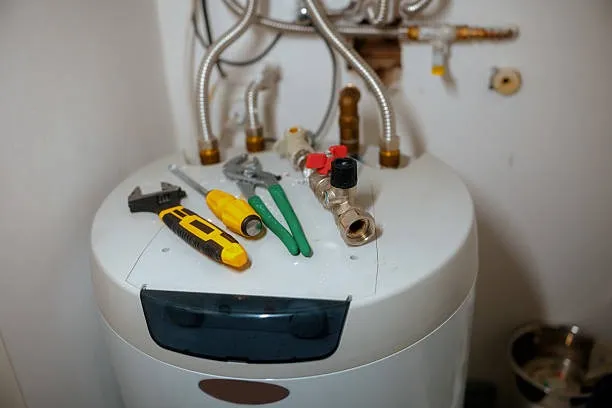
How tankless water heaters work
Tankless water heaters heat water only when you open a tap. A high-output gas burner or electric heating element raises water temperature as it flows through the unit, eliminating standby heat loss from storage tanks. This on-demand design means continuous hot water for long showers or simultaneous uses, provided the unit is sized correctly for peak household demand.
Common tankless water heater issues in Baltimore, OH
- Mineral buildup and scale from hard water, reducing flow and efficiency. Hardness tends to increase maintenance needs in central Ohio.
- Inadequate sizing for cold groundwater temperatures, causing insufficient temperature rise for multiple fixtures running at once.
- Venting or combustion problems with gas models, especially if installed outdoors or in unheated spaces during freezing weather.
- Electrical capacity shortfalls for electric units that require high amperage circuits.
- Improper condensate handling for high-efficiency condensing models.
- Freezing risk for external units or poorly protected lines in winter months.
Types of tankless systems and where they fit
- Gas condensing units: High efficiency, good for larger homes with high hot water demand. Require proper venting, gas line capacity, and condensate drainage.
- Gas non-condensing units: Simpler venting options, slightly lower efficiency, often lower upfront cost.
- Electric tankless units: Compact and low-maintenance; best for smaller households or point-of-use applications unless the electrical service and panel capacity are upgraded.
Sizing guidance for Baltimore, OH homes
Sizing a tankless water heater depends on required flow rate (gallons per minute - GPM) and the temperature rise from your groundwater to desired hot water temperature. In Baltimore, OH, groundwater in winter can be in the 40s F, so factor a larger temperature rise.
Typical GPM needs by household:
- Single person or point-of-use: 1.5 - 3 GPM
- Small family (2-3 people): 4 - 6 GPM
- Medium family (3-4 people): 6 - 8 GPM
- Large family or simultaneous use (4+ people): 8 - 12+ GPM
Example: If your source water is 45 F and you want 120 F, the unit must provide a 75 F rise. A model rated for 6 GPM at a 50 F rise will deliver less at 75 F rise. Always match manufacturer performance curves to your calculated needs. A properly sized unit prevents hot water shortfalls during cold spells common in Ohio winters.
Installation requirements and code considerations
- Gas models: Adequate gas supply and piping sized to meet peak BTU demand; correct venting (direct vent, power vent, or category-specific) per code; combustion air requirements; condensate management for condensing units.
- Electric models: Sufficient panel capacity and dedicated high-amp breakers. Some whole-house electric tankless systems require multiple 40 to 60 amp breakers and a 200 amp service.
- Location: Install indoors or use freeze-protection measures for outdoor units; provide clearance for maintenance; plan for water softening or scale management if hardness is high.
- Permits and inspections: Local permits and inspections are usually required in Ohio; follow manufacturer clearances and state/local plumbing and mechanical codes.
Maintenance needs and expected lifespan
- Regular descaling: In areas with hard water, flush and descale the heat exchanger at least annually to maintain performance. More frequent service may be needed for very hard water.
- Filter and inlet screen cleaning: Check and clean every 6 to 12 months.
- Combustion and vent inspection: Annual inspection for gas units to ensure safe operation.
- Expected lifespan: Tankless units typically last 15-25 years with proper maintenance, often longer than traditional tank heaters. Heat exchanger warranties commonly range from 5 to 15 years depending on brand and model.
Operating costs and efficiency
- Efficiency: Tankless systems eliminate standby losses and typically achieve higher energy efficiency than storage tanks. Gas condensing units and high-efficiency electric models will yield the best operating savings.
- Savings vary: Typical energy savings versus a conventional tank water heater depend on household usage patterns, fuel costs, and how well the unit is sized and maintained. Households with low to moderate hot water demand see the most benefit.
- Longevity and reduced replacement frequency can lower lifetime ownership costs despite a higher upfront investment.
Comparison with traditional tank systems
Pros of tankless:
- Continuous hot water supply
- Smaller footprint and possible space savings
- Longer useful life and less frequent replacement
- Lower standby energy losses
Cons of tankless:
- Higher initial equipment and installation cost, especially if gas piping or electrical upgrades are needed
- More sensitive to water hardness; requires disciplined maintenance
- Single unit may struggle with multiple simultaneous high-flow demands unless sized or multiple units are used
Available brands and model types
Commonly available and reputable tankless brands include:
- Rinnai
- Navien
- Noritz
- Bosch
- Rheem
- Stiebel Eltron
These brands offer a range of gas condensing, gas non-condensing, and electric models. Choose models rated for the temperature rise and GPM you need, and review warranty terms for residential use.
Incentives and rebates in Ohio
Federal tax credits and state or utility rebates may be available for high-efficiency water heaters. Local utilities and state energy programs in Ohio sometimes offer rebates for efficient gas condensing or electric heat pump water heaters. Eligibility often depends on model efficiency, installation practices, and program rules. Verify current incentive programs and required documentation with your local utility or state energy office before purchase and installation.
Final considerations for Baltimore, OH homeowners
A tankless water heater in Baltimore, OH can deliver reliable, energy-efficient hot water when properly sized, installed, and maintained. Pay special attention to winter temperature rise calculations, water hardness treatment, and appropriate venting or electrical service upgrades. With correct planning, a tankless system will provide continuous hot water, reduce standby losses, and outlast traditional tanks, making it a strong long-term choice for many local homes.
Hot Deals & Cool Savings

.webp)
New Service Agreement Membership
.webp)
Any New Client Service
Next Service for Referring a New Client
New Service Agreement Membership
Any New Client Service
Next Service for Referring a New Client
.webp)
.webp)

Service Areas
