
Water Heater Installation in Baltimore, OH
Expert water heater installation in Baltimore, OH. We size, install, test, and ensure safety and efficiency. Contact us for local service.

Water Heater Installation in Baltimore, OH
Replacing or upgrading your water heater is a significant home investment that affects comfort, safety, and energy bills. For homeowners in Baltimore, OH, a professional Water Heater Installation ensures the right unit is selected for local climate conditions, plumbing configurations, and daily hot water demand.
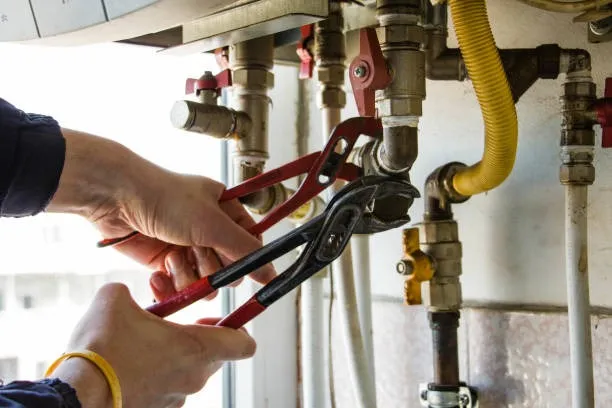
Why a local approach matters for Water Heater Installation in Baltimore, OH
Baltimore, OH experiences cold winters and humid summers. Colder incoming groundwater reduces the effective output of a heater, making correct sizing especially important. Many area homes have hard water caused by local mineral content, which speeds scale buildup in tanks and on heat exchangers. Older houses may also present tight installation spaces, legacy venting, or limited electrical capacity. A local installation accounts for these conditions to maximize performance and equipment lifespan.
Common water heater problems and replacement triggers in Baltimore, OH
- Age and reduced capacity: units older than 10-15 years commonly lose efficiency and reliability.
- Scale and mineral buildup: hard water in central Ohio shortens tank and element life.
- Inconsistent hot water during cold months: undersized units and cold inlet temperatures cause shortages.
- Leaks and corrosion: tank failure or loose fittings risk water damage in historic Baltimore homes.
- Inefficient operation: older models waste energy compared to modern high-efficiency tanks, tankless, or heat pump systems.
- Venting and combustion issues: gas units in confined or older homes may need venting upgrades for safety and code compliance.
Types of systems and how to choose
- Tank water heaters: common, lower upfront cost, simple replacement. Best when space or budget limits apply and family demand is predictable.
- Tankless (on-demand) water heaters: higher efficiency and continuous hot water for many applications. Sizing depends on peak flow rate and incoming water temperature. Ideal when space savings and long-term energy savings are priorities.
- Heat pump / hybrid water heaters: very high efficiency for electric homes, best in conditioned spaces where they can draw warm air.
- Fuel considerations: natural gas is common in the region, but some neighborhoods are electric-only. Fuel availability and local utility rates influence operating cost decisions.
Site assessment and sizing considerations
A thorough site assessment includes:
- Verifying fuel source and service capacity: gas line size and pressure, or electrical panel capacity and voltage for tankless units.
- Measuring available space and venting options: sidewall or roof venting needs and clearances.
- Evaluating plumbing layout and water pressure: ensure proper connection locations and flow.
- Checking water quality: hard water may require water softening or more frequent maintenance.
- Estimating demand: calculate gallons per minute (GPM) needed for simultaneous fixtures and use colder incoming water temperatures in Baltimore to size accordingly. For tanks, choose a first hour rating (FHR) that matches peak-hour demand.
Energy efficiency and long-term operating costs
Energy efficiency is a major factor for long-term savings. Consider:
- Energy factor (EF) or Uniform Energy Factor (UEF) ratings when comparing models.
- High-efficiency tank models with improved insulation to reduce standby loss.
- Tankless units with modulating burners for efficient on-demand operation.
- Heat pump models that can cut electric water heating costs significantly where space and ambient conditions allow.
- Optional add-ons: recirculation systems, smart controls, and improved insulation can reduce waste and boost comfort.
Removal and disposal of the old unit
Safe removal follows local disposal and recycling rules:
- Drain, disconnect, and neutralize old tanks safely, addressing residual hot water and pressure.
- Follow local municipal regulations for recycling refrigerants and metal components when applicable.
- Properly cap gas lines and electrical disconnects; label and leave accessible documentation for inspectors.
Professional installation steps and typical timelines
Typical professional installation includes:
- Permit acquisition and scheduling of required inspections with local authorities.
- Pre-install prep: site clearing, relocating piping or venting as needed.
- Mechanical and electrical work: mounting, connecting fuel, water lines, venting, and wiring.
- Safety components: install temperature and pressure relief valve, expansion tank if required, and backflow prevention if code mandates.
- System fill, purge of air, leak checks, combustion testing for gas units, and electrical testing.
- Final inspection and commissioning: set temperature, demonstrate operation, and document warranty information.
Timelines: a straight tank-to-tank replacement typically takes 4 to 8 hours. Tankless or systems requiring venting upgrades, electrical service upgrades, or structural modifications may take 1 to 2 days or longer depending on complexity and permit timing.
Permits and warranties
- Local permit requirements: most installations require a permit and final inspection to ensure compliance with county and village codes. This protects homeowner safety and preserves equipment warranties.
- Manufacturer warranties: new units come with manufacturer warranties that vary by component; keep documentation and register the product if required.
- Labor warranties: professional installations often include a workmanship warranty for a specified period. Confirm the scope and duration.
Financing and rebates in the Baltimore, OH area
Energy-efficient water heaters may qualify for utility rebates, state incentive programs, or federal tax credits depending on current programs. Financing options, such as home improvement loans or equipment financing, can also help spread upfront costs. Because programs change, check current local utility offerings and incentive eligibility for high-efficiency models and renewable technologies.
Post-installation testing and maintenance guidance
- Initial testing: verify set temperature (commonly 120F for safety and energy savings), pressure relief valve operation, and leak-free connections. For gas units, confirm proper combustion and venting.
- Routine maintenance: flush tanks annually or more often in hard water areas to reduce sediment. Inspect anode rod every 1 to 3 years and replace as needed. For tankless units, perform descaling based on water hardness and usage.
- Seasonal checks: ensure outdoor vent terminals are clear in winter and prevent freezing. For heat pump models, keep surrounding air pathways clear.
- Long-term tips: installing a water softener in high mineral areas and maintaining recommended service intervals extends equipment life and preserves efficiency.
Final benefits of professional installation
A correctly selected and professionally installed water heater provides safer operation, reliable hot water through Baltimore winters, improved energy efficiency, and compliance with local codes and permit requirements. Addressing site-specific factors like incoming water temperature, hard water treatment, and venting early in the process prevents common failures and reduces lifetime operating costs, giving homeowners confidence and predictable performance for years.
Hot Deals & Cool Savings

.webp)
New Service Agreement Membership
.webp)
Any New Client Service
Next Service for Referring a New Client
New Service Agreement Membership
Any New Client Service
Next Service for Referring a New Client
.webp)
.webp)

Service Areas
