
Tankless Water Heater in Harrisburg, OH
Discover efficient tankless water heater installation in Harrisburg, OH. Enjoy continuous hot water, energy savings, and space-saving comfort. Learn more.

Tankless Water Heater in Harrisburg, OH
Upgrading to a tankless (on-demand) water heater is one of the most effective ways to modernize your home’s hot water supply in Harrisburg, OH. Tankless systems deliver continuous hot water, reduce energy waste, and free up space by eliminating large storage tanks. For homeowners in Harrisburg, where cold winters increase hot water demand and many homes have older plumbing or limited mechanical space, a properly sized tankless unit offers reliable performance and long-term value.
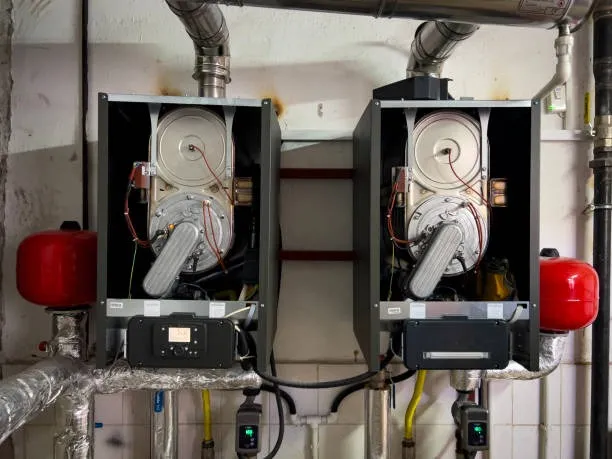
Why choose a tankless water heater in Harrisburg, OH
- Continuous hot water for showers, laundry, and dishwashing without the recovery delay common to tanks.
- Energy efficiency by heating water only when needed, which can lower fuel use compared to oversized storage tanks.
- Smaller footprint that fits closets, garages, or utility rooms—valuable in older Harrisburg homes with limited basement space.
- Longer typical service life than tank systems when maintained correctly, suitable for homeowners planning long-term upgrades.
Common tankless water heater types and fuel options
- Gas-fired tankless units: Common in the region due to natural gas availability. They require proper venting and combustion air, but generally provide higher flow rates for multiple simultaneous fixtures.
- Electric tankless units: Easier to install in tight spaces and simpler venting requirements, but many homes need electrical service or panel upgrades to support high-power units.
- Condensing vs non-condensing gas models: Condensing units extract extra heat from exhaust gases, improving efficiency but requiring condensate drainage and possibly higher upfront equipment considerations.
Common tankless water heater issues in Harrisburg, OH
- Scale buildup from hard water: Ohio water supplies can be moderately hard. Mineral scale reduces heat transfer, lowers efficiency, and triggers fault codes.
- Inadequate flow rates during simultaneous use: Undersized units can struggle when showers and appliances run at the same time.
- Venting and combustion problems: Poorly sized vents or backdrafting can cause operation errors or safety shutoffs on gas units.
- Electrical limitations for electric models: Insufficient circuit capacity or panel space can prevent installation or cause repeated trips.
- Freeze risk in unheated locations: Cold winter temperatures can damage external pipes and units without freeze protection or insulation.
Sizing and selection: what matters for Harrisburg homes
Sizing a tankless water heater is about matching peak demand, not tank capacity. Key factors include:
- Peak simultaneous demand: Count likely simultaneous fixtures (e.g., two showers plus a dishwasher) and determine required gallons per minute (GPM).
- Temperature rise: In winter, ground water is colder in Ohio, so the required temperature rise to reach setpoint is higher. That increases the required output capacity.
- Fuel available and preferences: Natural gas models often provide higher output for multiple fixtures, while electric units can be ideal for point-of-use or smaller households.
- Installation constraints: Venting routes, available gas line size, and electrical service influence the practical choice.
A correct selection balances expected household use, local winter temperature effects, and existing infrastructure to avoid underperformance and premature service needs.
Retrofit versus new installation considerations
- Retrofit (replace a tank): Evaluate venting, gas line size, and existing space. Many older homes can be retrofitted, but expect potential upgrades to venting, gas piping, or electrical service.
- New construction or full remodel: Offers the most flexibility for optimal unit placement, vent routing, and integration with home heating systems or recirculation loops.
- Permitting and local codes: Ensure installation meets Ohio and local Harrisburg regulations for venting, combustion air, and fuel connections.
Installation process overview
- Site assessment: Inspect existing plumbing, fuel source, venting path, electrical panel, and space constraints.
- Equipment selection and sizing: Choose a model that meets calculated GPM and temperature rise needs.
- Prep work: Upgrade gas piping or electrical service if required, and prepare venting or condensate drainage for condensing units.
- Mounting and connections: Secure the unit, connect water, fuel, venting, and electrical systems, and install necessary safety devices such as pressure relief and expansion solutions.
- Startup and testing: Verify operating pressures, combustion performance on gas units, and check for leaks. Calibrate temperature settings and run simultaneous fixtures to confirm capacity.
Descaling and maintenance requirements
Regular maintenance is essential to protect performance and warranty coverage.
- Descaling: In areas with hard water, perform descaling or flushing at manufacturer-recommended intervals to remove mineral buildup. Frequency depends on water hardness and household usage.
- Filter and inlet maintenance: Clean or replace inlet screens and sediment traps regularly.
- Annual inspection: Have a qualified technician check gas connections, venting integrity, burner performance, and electrical components.
- Freeze protection: Ensure external or unheated installations have proper insulation, freeze kits, or automatic drain systems to prevent winter damage.
Proper maintenance preserves efficiency, reduces repair frequency, and extends the unit’s service life.
Troubleshooting and common repairs
- No hot water or intermittent heating: Often related to flow sensor failure, ignition issues on gas units, or tripped electrical components on electric models.
- Low hot water flow or temperature drop under load: Typically scale buildup or undersized unit for peak demand.
- Error codes and lockouts: Modern units display codes for issues such as combustion failure, high exhaust temperature, or pressure faults. Referencing the code guide helps identify whether repair or maintenance is needed.
- Venting problems and condensate leaks: Address promptly to avoid safety risks and corrosion.
- Regular repairs include replacing sensors, service valves, or ignition components; scaled heat exchangers may require professional descaling or part replacement.
Expected costs and payback scenarios
Installation cost factors include equipment type, required fuel or electrical upgrades, venting complexity, and retrofit work. Long-term savings depend on household hot water usage patterns and the unit’s efficiency compared to a storage tank. In general terms, higher-efficiency models and households with consistent daily hot water use see faster energy payback. Consider also the value of reduced space usage and longer equipment life when evaluating total return. A clear comparison should account for local fuel prices, typical winter temperature effects on demand, and projected maintenance requirements.
Warranty and reliability
Manufacturer warranties vary by model and component. Typical coverage includes a longer-term warranty on the heat exchanger and shorter coverage on parts and labor. Warranties may require proof of regular maintenance and professional installation to remain valid. Confirm details before purchase and ensure scheduled maintenance to protect coverage and system reliability.
Final considerations for Harrisburg, OH homeowners
For Harrisburg homes, cold winters, possible hard water, and older infrastructure are the main local considerations when moving to a tankless water heater. Proper sizing for winter temperature rise, attention to venting and fuel supply, and a regular descaling schedule will deliver reliable continuous hot water and improved energy efficiency. With correct installation and maintenance, a tankless system can be a lasting, space-saving upgrade tailored to local needs.
Hot Deals & Cool Savings

.webp)
New Service Agreement Membership
.webp)
Any New Client Service
Next Service for Referring a New Client
New Service Agreement Membership
Any New Client Service
Next Service for Referring a New Client
.webp)
.webp)

Service Areas
