
Water Heater Repair in Harrisburg, OH
Water heater repair in Harrisburg, OH—fast diagnostics, reliable fixes, and emergency options. Call now for prompt, expert service.

Water Heater Repair in Harrisburg, OH
Your water heater is one of the most relied-on appliances in your Harrisburg, OH home. Cold winter mornings, long showers, and household cleaning depend on consistent hot water. When your water heater fails or shows warning signs like leaks, strange noises, or pilot problems, you need fast, trustworthy repair that diagnoses the root cause and restores reliable performance.
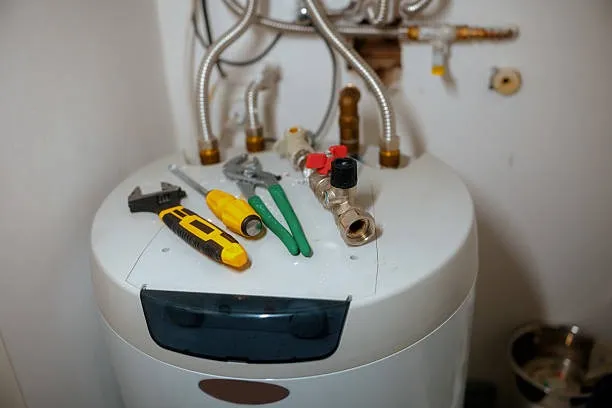
Why prompt water heater repair matters in Harrisburg, OH
Harrisburg experiences cold winters that increase demand on water heaters and raise the consequences of failure. Many local homes have older tank-style water heaters and municipal water with moderate to hard mineral content, which accelerates sediment buildup. Addressing issues quickly prevents secondary damage like water stains, mold, or frozen pipes, and helps avoid full replacements when a focused repair will suffice.
Common water heater problems in Harrisburg, OH
- No hot water - Often caused by failed heating elements (electric), a faulty gas control valve, or a tripped breaker.
- Inconsistent temperatures - Thermostat issues, partially failed elements, or cross-connections with a mixing valve.
- Leaks - Loose fittings, failed pressure relief valves, corrosion at pipe connections, or a leaking tank.
- Unusual noises - Popping or rumbling is usually sediment boiling in the tank; creaks and ticking can be thermal expansion.
- Pilot or ignition failure - Dirty pilot orifice, failing thermocouple, or electronic ignition module faults on gas models.
- Slow recovery time - Undersized unit, bad thermostats, or significant sediment coating heating surfaces.
- Low hot water volume - Broken dip tube or significant sediment reducing usable capacity.
Diagnostic process — what to expect
A thorough diagnostic separates temporary fixes from necessary repairs. Typical steps include:
- Visual inspection of the tank, valves, fittings, and venting for corrosion, leaks, or safety hazards.
- Operational checks to confirm thermostat settings, power supply or gas supply, and pilot/ignition behavior.
- Temperature and pressure tests to verify system function and to check the temperature pressure relief valve.
- Element and continuity testing on electric heaters to isolate failed heating elements or thermostats.
- Sediment assessment by checking drain clarity and listening for noise patterns that indicate buildup.
- Combustion and venting checks on gas units to ensure safe, complete combustion and proper vent draft.
Technicians document findings, explain options in plain language, and recommend the most cost-effective solution that restores safe operation and efficiency.
Common repairs and parts replaced
- Heating elements (electric) - replacement restores heat production.
- Thermostats and temperature sensors - for uneven or incorrect water temperatures.
- Gas control valves and thermocouples - common on gas units with ignition or pilot problems.
- Dip tubes - restore hot water delivery when cold water is mixing into the top of the tank.
- Pressure relief valves and drain valves - safety-critical and often replaced when leaking or faulty.
- Anode rods - replace to slow internal corrosion and extend tank life.
- Tank repair or replacement - minor pinhole leaks sometimes repairable; most tank breaches require replacement.
- Venting and flue repairs - for gas units with poor draft or corrosion.
Repairs are done to manufacturer specifications, and parts used are matched to your heater model for reliability.
Expected response times and emergency repair options
- Same-day assessments are commonly available for non-life-threatening issues, especially during business hours.
- Emergency service options are offered for no hot water in extreme cold, major leaks, or safety concerns (gas smell, CO alarm activation). Emergency dispatches aim to arrive within a few hours when available.
- Technicians prioritize safety: if a gas leak or carbon monoxide risk is suspected, immediate shutoff and safe-venting procedures are performed before repairs proceed.
Estimated costs and warranty coverage
- Minor repairs (thermostat, element, valves) typically fall within a modest parts-and-labor range depending on model and access.
- Moderate repairs (gas controls, replacement anode rod, dip tube) are higher but generally still less than replacement.
- Full replacement costs vary by capacity and type (standard tank, high-efficiency tank, or tankless) and include removal and disposal of the old unit plus installation.
- Many manufacturers provide parts warranties (often limited to 1 to 10 years depending on the model) and some service providers offer labor warranties on repairs. Warranty coverage depends on the age of the heater, maintenance history, and whether original manufacturer parts are used.
Estimates are provided after diagnosis and typically include a breakdown of parts, labor, and any required permits for replacement.
Preventative maintenance to extend system life
Regular maintenance reduces emergency repairs and extends the usable life of your water heater. Recommended tasks include:
- Annual tank flush to remove sediment buildup that causes noise, reduces efficiency, and wears heating surfaces.
- Inspect and replace the anode rod every 2 to 5 years depending on water hardness and rod condition.
- Test the temperature pressure relief valve yearly to ensure it opens and closes freely.
- Check for leaks and corrosion at connections and the tank base during seasonal checks.
- Lower thermostat setting to 120 F to reduce stress, energy use, and scald risk.
- Insulate older tanks and hot water pipes to improve recovery and efficiency, especially useful in cold Ohio winters.
- Consider a water softener or filtration if mineral content is high to limit sediment and scale buildup.
Final notes on choosing repair vs replacement
In Harrisburg homes, older tanks with extensive corrosion, repeated leaks, or high repair frequency are often more economically replaced than repaired. Repairs are recommended when they restore safe, efficient operation and when the heater is not near the end of its expected service life. A clear, documented diagnosis helps homeowners make the right decision based on condition, efficiency, and budget.
Prompt diagnosis and professional repairs restore comfort and protect your home from water damage and unsafe conditions. Regular maintenance tailored to Harrisburg, OH conditions will minimize service calls and extend the life of your water heater.
Hot Deals & Cool Savings

.webp)
New Service Agreement Membership
.webp)
Any New Client Service
Next Service for Referring a New Client
New Service Agreement Membership
Any New Client Service
Next Service for Referring a New Client
.webp)
.webp)

Service Areas
