
Tankless Water Heater in Lithopolis, OH
Tankless water heater installation in Lithopolis, OH delivers on-demand hot water, space savings, and energy efficiency. Learn more.

Tankless Water Heater in Lithopolis, OH
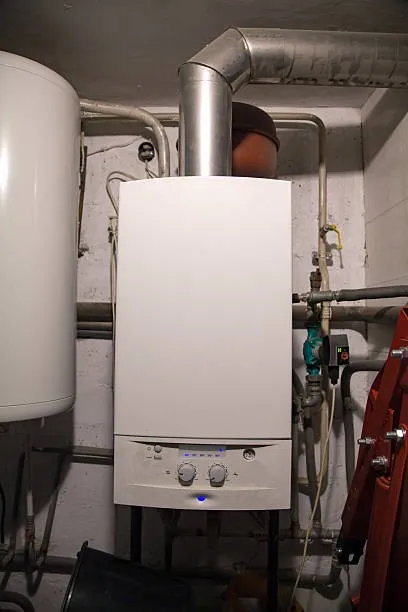
Switching to a tankless water heater in Lithopolis, OH delivers on-demand hot water, frees up space in small basements or utility closets, and can reduce energy waste from standby heat loss. For homes and small businesses around Lithopolis — where cold Ohio winters lower incoming water temperature and local groundwater can be moderately hard — choosing the right tankless system requires accurate sizing, attention to venting and freeze protection, and a maintenance plan to prevent scale.
Why homeowners and businesses in Lithopolis choose tankless
- On-demand hot water — no long waits for a tank to heat and no standby heat losses.
- Energy efficiency — modern condensing units reach higher efficiency, especially for households with variable demand.
- Space savings — eliminates bulky tanks, useful in older Lithopolis homes with limited mechanical space.
- Longer service life — properly maintained tankless units typically last longer than tank heaters.
- Reduced risk of large water leaks from a failing storage tank.
Local considerations: Lithopolis winters mean lower inlet temperatures, which increases required input capacity to reach desired hot temperatures. Central Ohio’s moderate-to-hard water means more frequent descaling is often necessary unless a water softener or scale prevention is in place.
Common tankless water heater service types in Lithopolis
- Whole-house gas tankless installation (natural gas or propane)
- Electric tankless installation for point-of-use or small-demand homes
- Condensing vs non-condensing replacement
- Venting upgrades (power-vent PVC for condensing models or stainless steel for high-temp exhaust)
- Gas line upsizing and meter capacity checks
- Retrofitting from tank to tankless with condensate drains and electrical upgrades
- Routine flushing/descaling and inlet filter cleaning
- Freeze protection and outdoor unit winterization
Sizing: flow-rate and temperature-rise calculations
Correct sizing is essential for dependable hot water performance in Lithopolis, especially in winter when incoming groundwater can drop to around 40°F.
Determine peak simultaneous demand (sum of appliances running at the same time)
- Typical flow rates (approximate ranges):
- Shower (low-flow): 1.5–2.5 GPM
- Kitchen faucet: 0.5–1.5 GPM
- Bathroom sink: 0.5–1.0 GPM
- Dishwasher: 1–2 GPM
- Washing machine: 1–2 GPM
Calculate required temperature rise:
- Desired hot temp (commonly 120°F) minus incoming water temp (use local winter value for worst-case)
- Example: 120°F target − 40°F inlet = 80°F rise
Convert to BTU/hr capacity (gas) and kW (electric):
- BTU/hr = GPM × Temperature Rise (°F) × 500
- kW = BTU/hr ÷ 3412
- Example: Two showers at 2.0 GPM each (4.0 GPM) plus dishwasher 1.5 GPM = 5.5 GPM
- BTU/hr = 5.5 × 80 × 500 = 220,000 BTU/hr
- kW = 220,000 ÷ 3412 ≈ 64.4 kW
Use this calculation to compare units. In colder months in Lithopolis, the required input rises significantly; consider sizing for coldest expected inlet temperature or plan usage sequencing to avoid exceeding capacity.
Installation and retrofitting considerations
- Fuel type and supply: Gas units require adequate gas line sizing and meter capacity. Electric tankless often need high-amperage circuits or multiple dedicated breakers; verify panel capacity.
- Venting: Non-condensing units use high-temperature venting; condensing units commonly use PVC or special plastic venting but require proper condensate drains and tolerant vent runs.
- Condensate management: Condensing tankless heaters produce acidic condensate that must be routed to appropriate drains or neutralized.
- Water pressure and flow requirements: Tankless units need minimum flow to activate; low-flow fixtures may delay activation — some systems include internal pumps or recirculation options.
- Space and location: Indoor installations avoid freeze risk; outdoor units need freeze protection measures in Lithopolis winters.
- Structural and plumbing retrofit: Retrofitting often requires repositioning vents, running new gas or electrical lines, and adding a pressure relief or bypass where needed.
- Permits and code compliance: Local plumbing and mechanical codes in Ohio must be followed for venting, combustion air, and electrical work.
Maintenance expectations for Lithopolis homes
- Descaling/flushing: In moderate-to-hard water areas around Lithopolis, flush and descale every 6–12 months. If a water softener is installed, you can extend this interval.
- Inlet filter cleaning: Inspect and clean the cold water inlet filter 2–4 times per year.
- Combustion and vent inspections: Annually check gas units’ burners and venting for leaks or blockages.
- Condensate trap and drain checks: Ensure condensate lines are clear and properly pitched.
- Winter prep: For outdoor units, verify freeze protection settings and insulating of exposed lines.
Typical cost considerations vs long-term savings
Upfront installation for a tankless system can be higher than replacing a like-for-like storage tank because of venting, gas or electrical upgrades, and condensate handling. Long-term value derives from:
- Lower energy use during low-demand periods (no standby losses)
- Longer expected lifespan when well-maintained
- Reduced replacement frequency relative to tank heaters
- Space savings and potential for increased usable living area
Payback depends on household hot water use patterns, fuel costs, efficiency of the chosen model (condensing units are more efficient), and how often maintenance is performed. For Lithopolis homeowners concerned about winter performance, sizing correctly and accounting for inlet temperature ensures those long-term savings actually materialize.
Supported brands and model types
Common, widely available manufacturers include Rinnai, Navien, Noritz, Bosch, Rheem, and Stiebel Eltron. Important distinctions:
- Condensing units: Higher efficiency, require PVC venting and condensate management
- Non-condensing units: Simpler venting materials but lower efficiency
- Electric units: Good for point-of-use or homes without gas, but require significant electrical capacity for whole-house service
- Hybrid systems / buffer tanks: Help mitigate “cold water sandwich” or very high peak demands without oversizing
Common troubleshooting topics and fixes
- Intermittent cold water or “cold water sandwich”: Often scale buildup, undersized unit, or too many simultaneous draws. Solution: flush unit, reduce simultaneous demand, add a small buffer tank or recirculation control.
- Fluctuating temperature under low flow: Check minimum activation flow, clean inlet filter, or choose a unit with better low-flow modulation.
- Error codes and lockouts: Refer to manufacturer code chart; many issues stem from gas pressure, ignition failures, or blocked vents.
- Scale-related fault or reduced flow: Descale per manufacturer instructions; consider installing a water softener or scale inhibitor in Lithopolis homes.
- Low gas pressure/weak flame: Inspect gas supply and piping; gas line upsizing may be required.
Is tankless right for your Lithopolis home or business?
Use this checklist:
- Do you have high peak simultaneous hot water demand or sequential use patterns?
- Is natural gas or propane available and is the gas supply adequate?
- Can you accommodate venting and condensate routing within the building?
- Is your incoming winter groundwater temperature low enough to affect sizing?
- Do you have moderately hard water or can you install a softener to reduce maintenance?
- Are you prepared for routine descaling and annual inspections to protect unit life?
If most answers indicate manageable site constraints and you value space savings, on-demand hot water, and lower long-term operating costs, a correctly sized tankless system is often a strong choice for Lithopolis homes and small businesses. For precise sizing and a site-specific assessment, a professional load calculation and equipment match is the recommended next step to ensure reliable year-round performance in central Ohio conditions.
Hot Deals & Cool Savings

.webp)
New Service Agreement Membership
.webp)
Any New Client Service
Next Service for Referring a New Client
New Service Agreement Membership
Any New Client Service
Next Service for Referring a New Client
.webp)
.webp)

Service Areas
