
Water Heater Repair in Lithopolis, OH
Professional water heater repair in Lithopolis, OH. Diagnostics, rapid emergencies, transparent estimates, and reliable fixes to restore hot water and efficiency.

Water Heater Repair in Lithopolis, OH
An unreliable water heater is one of the fastest ways to disrupt daily life at home or interrupt business operations. Water Heater Repair in Lithopolis, OH focuses on diagnosing and fixing common residential and commercial water heater problems quickly, safely, and with clear communication. Winters in central Ohio are cold and extended use during freezing months increases wear on tanks and components. Hard water and mineral scale common in this region also accelerate element failure and reduce efficiency.
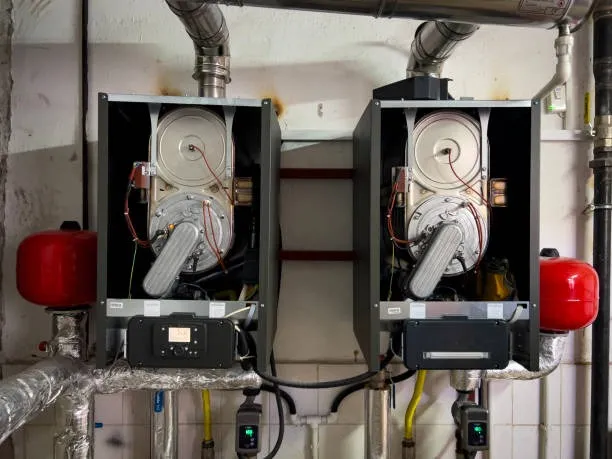
Common water heater problems in Lithopolis homes and businesses
- No hot water or sporadic hot water
- Insufficient hot water or quick depletion
- Visible leaks from fittings or the tank
- Strange noises such as popping or rumbling (sediment build up)
- Pilot light or electronic ignition failure on gas units
- Thermostat or heating element failures on electric units
- Discolored or smelly hot water (bacterial growth or anode corrosion)
- High energy bills or slow recovery times
- Pressure relief valve dripping or stuck
These issues are often influenced by local conditions in Lithopolis, including cold seasonal demand and mineral-rich water that causes scale and reduces component life.
Step-by-step diagnostic process
- Safety and intake: Confirm fuel type (gas or electric), age and capacity of the unit, and whether the unit is serving a residence or commercial facility. Check for immediate hazards such as gas smell or active flooding.
- Visual inspection: Look for external leaks, corrosion, condition of fittings, venting and combustion air for gas units, and signs of overheating.
- Fuel and power checks: Verify circuit breakers, fuses, gas shutoff, and pilot/ignition status. Confirm proper gas pressure where applicable.
- Component testing: Use a multimeter to test heating elements and thermostats on electric units. Inspect thermocouple, gas control valve, and ignition assembly on gas units.
- Internal condition: Assess sediment level by checking drain water clarity and listening for noises. Inspect the anode rod when accessible.
- Pressure and safety valves: Test the temperature and pressure relief valve and expansion tank for proper operation.
- Determine scope and estimate: Based on findings provide a clear evaluation: simple repair, parts replacement, or recommendation for replacement when tank integrity or overall unit age makes repair uneconomic.
Typical repairs and parts replacement
- Heating elements and thermostats (electric models)
- Thermocouple, pilot assembly, gas control valves, and ignition modules (gas models)
- Pressure and temperature relief valves and discharge piping
- Anode rod replacement to slow corrosion
- Dip tube replacement to restore hot water delivery
- Sediment flushing and burner cleaning to restore efficiency
- Piping, fittings, and gasket repairs for localized leaks
- Tank replacement when internal corrosion or major leaks exist
- Control board or heat-exchanger repairs for tankless systemsFor commercial systems, repairs may include larger burner assemblies, automatic mixing valves, recirculation pumps, and expansion tank servicing.
Emergency and same-day service options
Emergencies include active leaks, loss of hot water for commercial operations, and any gas smell or suspected carbon monoxide risk. Emergency response prioritizes:
- Immediate safety actions such as shutting off water, power or gas
- Temporary containment for leaks and isolation of the affected appliance
- Rapid diagnosis and on-site repairs when parts are availableSame-day service addresses urgent but non-life-threatening failures like no hot water, failed elements, or failed thermostats. Technicians often carry common replacement parts to restore service the same day.
Transparent pricing and warranty information
Before any work begins you should receive a clear written estimate describing the problem, recommended repairs, parts required, and an explanation of labor. Estimates distinguish between labor and parts and note when permits or inspections are necessary. Warranty coverage varies by part and manufacture; common practices include honoring manufacturer warranties on replacement parts and providing a workmanship guarantee for repairs. If replacement is recommended, warranty information on the new unit and installed components will be explained.
Preventative maintenance to avoid repairs
Regular maintenance extends life and reduces breakdown risk, especially in Lithopolis where hard water and seasonal demand matter:
- Flush the tank annually to remove sediment and reduce popping noises
- Inspect and replace the anode rod every 2 to 5 years depending on water chemistry
- Test the temperature and pressure relief valve yearly
- Set water temperature to 120 degrees Fahrenheit for safety and efficiency
- Install or maintain water softening or scale control where hard water affects performance
- Insulate pipes and the first few feet of the tank in unheated spaces to reduce heat loss
- Schedule an annual professional inspection for gas venting, burner performance, and control operation
Frequently asked questions
Q: How do I decide between repair and replacement?
A: Repair is often appropriate for single component failures on relatively new tanks or when damage is limited. Replacement is recommended when tanks are leaking from the bottom, corroded internally, or the unit is near or beyond its expected lifespan and multiple components are failing. A professional diagnostic will weigh repair cost, remaining life, efficiency, and safety.
Q: How long does a typical repair take?
A: Most common repairs such as element or valve replacement, thermostat swaps, or flushing take between 1 and 3 hours. More complex repairs or sourcing parts can extend the time or require a follow-up visit.
Q: Will flushing the tank fix noise problems?
A: Yes, flushing removes sediment that causes popping or rumbling noise and improves heat transfer. If noise continues, further inspection may be needed to check for element scale or other issues.
Q: Is a tankless water heater better in Lithopolis?
A: Tankless units offer on-demand hot water and may be more efficient, but upfront costs and installation requirements differ. Hard water requires effective scale control for tankless units. Evaluation considers household demand, budget, and water quality.
Q: What should I do if I smell gas?
A: Leave the building immediately and follow local safety guidelines. Do not operate electrical switches, appliances, or phones inside. Have the gas utility or a qualified technician inspect the system before restoring service.
Q: Can small leaks be repaired or do they mean replacement?
A: Leaks from fittings, valves, or connections are often repairable. A leaking tank usually indicates internal corrosion and typically requires replacement.
Water Heater Repair in Lithopolis, OH provides a combination of precise diagnostics, transparent estimates, and repairs designed to restore safe, reliable hot water quickly. Regular maintenance and prompt attention to warning signs reduce emergency repairs and extend the life of your water heater while improving efficiency through the seasons in central Ohio.
Hot Deals & Cool Savings

.webp)
New Service Agreement Membership
.webp)
Any New Client Service
Next Service for Referring a New Client
New Service Agreement Membership
Any New Client Service
Next Service for Referring a New Client
.webp)
.webp)

Service Areas
