
Water Heater Installation in German Village, OH
Water heater installation in German Village, OH delivers reliable hot water with code-compliant setup. Schedule your assessment today.

Water Heater Installation in German Village, OH
Upgrading or replacing a water heater is one of the most impactful home improvements for daily comfort and energy savings. For homeowners in German Village, OH, a properly scoped and code-compliant water heater installation ensures reliable hot water through Columbus winters, protects plumbing from freeze-related stress, and reduces long-term operating costs.
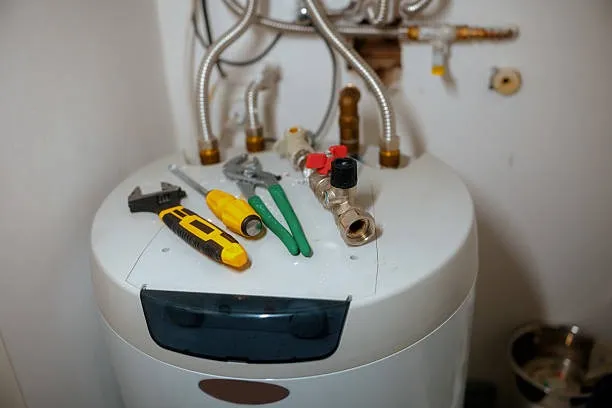
Why a tailored assessment matters
Every household has unique hot water demands. A thorough assessment evaluates:
- Household size and peak simultaneous usage (showers, dishwasher, washing machine).
- Fixture flow rates and typical hot water run times.
- Existing fuel source: natural gas, electric, propane, or heat pump compatibility.
- Available installation space, venting options, and access for replacement.
- Water quality considerations such as hardness that affect lifespan and maintenance.
In German Village homes, many properties are older with limited utility room space and sometimes shared walls or compact basements. That makes accurate sizing and careful site planning essential to avoid surprises and meet local code.
Common water heater issues in German Village, OH
- Low hot water capacity during peak use due to under-sizing.
- Reduced efficiency and sediment buildup from moderately hard Central Ohio water.
- Space constraints that complicate venting and placement, especially in historic houses.
- Venting challenges for gas units where chimneys or flues are shared or restricted.
- Corrosion or leaks in older tanks that risk water damage to masonry or finished basements.
Addressing these issues during installation prevents repetitive service calls and reduces the risk of damage in cold months.
Tank vs tankless: which fits your German Village home?
Both options have strong benefits depending on priorities.
Tank water heaters
- Pros: Lower upfront complexity, simpler replacement in tight spaces, reliable stored capacity for simultaneous use.
- Cons: Standby heat loss, larger footprint, shorter average lifespan than some other technologies.
Tankless (on-demand) water heaters
- Pros: Continuous hot water, smaller footprint, higher energy efficiency for low-to-moderate household use, longer service life when maintained.
- Cons: Higher upfront equipment and potential venting or gas line upgrades; needs correct sizing for simultaneous high-demand fixtures.
Other options to consider
- Heat pump water heaters for electric homes seeking maximum efficiency (best in conditioned spaces).
- High-efficiency condensing gas units that require proper condensate management and venting.
Sizing and energy-efficiency guidance
Proper sizing is crucial:
- For tank systems: choose tank capacity that matches peak hour demand. A sizing calculation uses family size and appliance schedules to pick the correct gallon capacity.
- For tankless systems: choose a unit with sufficient flow rate (gallons per minute) at the incoming groundwater temperature typical for Central Ohio to meet peak simultaneous demands.
Energy-efficiency factors
- Look for Uniform Energy Factor (UEF) or Energy Factor ratings to compare models.
- For gas units, consider modulating burners for lower standby loss and more consistent temperature control.
- Insulation, pipe routing, and a properly sized expansion tank can improve system efficiency.
Site preparation and code-compliant installation steps
A professional installation typically follows these steps:
- Pre-install site inspection and final sizing confirmation.
- Obtain required permits from City of Columbus or Franklin County as applicable.
- Site preparation: clear access, ensure proper floor or platform support, and verify ventilation or electrical capacity.
- Disconnect and remove old unit safely; secure water and gas/electric shutoff.
- Install new unit with code-compliant connections:
- Proper venting for gas units, including correct materials and clearances.
- Condensate management for high-efficiency models.
- Temperature and pressure relief valve (TPR) installation and safe discharge piping.
- Expansion tank installation where required by local code.
- Drain pan with proper drainage if installed in interior spaces.
- Electrical connections and bonding as needed for electric or hybrid models.
- Pressure test fuel lines, check for leaks, and commission the system.
- Final inspection coordination with local authority having jurisdiction to close permit.
All installations prioritize safety and code compliance, including addressing historic home constraints common in German Village.
Removal, disposal, and recycling of old units
Old water heaters are drained and removed following local disposal rules. Metal tanks are recyclable, and hazardous components like refrigerant (for heat pump models) are handled per environmental regulations. Proper disposal prevents fines and reduces environmental impact.
Warranties, permits, and inspections
- Manufacturer warranties vary by component and model; common coverage includes the tank or heat exchanger and parts for defined periods.
- Labor warranties for installation protect against workmanship defects for a set period.
- Permit handling is an essential part of professional installation to ensure inspections are completed and the permit is closed in compliance with City of Columbus requirements. This protects resale value and ensures insurance coverage is maintained.
Timeline and cost factors
Typical timeline
- Simple like-for-like replacements can often be completed within a day.
- Upgrades that require venting changes, gas line increases, electrical work, or relocation may take one to several days depending on complexity and inspection scheduling.
Primary cost drivers
- System type: tank, tankless, hybrid, or high-efficiency condensing unit.
- Required upgrades: venting, gas/electrical service, water line or structural changes.
- Permit and inspection fees and any necessary subcontracted work.
- Accessibility and removal complexity for older homes.
Financing, rebates, and long-term maintenance
- Financing options and payment plans are commonly available through third-party providers for larger upgrades.
- Energy-efficiency incentives may be available through federal tax credits for qualifying high-efficiency electric heat pump water heaters or through local utility rebates. Local utility programs in Ohio sometimes offer rebates for ENERGY STAR certified equipment or for switching to heat pump technology.
- Routine maintenance extends service life: flushing tanks to remove sediment, descaling tankless units in hard water areas, checking the TPR valve, and annual inspections will keep performance optimal in German Village’s water conditions.
Long-term benefits of a professional installation
A correctly specified and installed water heater improves everyday comfort, reduces energy costs, lowers the risk of water damage, and maximizes the life of the equipment. In German Village homes, attention to historic home constraints, local weather impacts, and water quality during installation delivers dependable hot water and better long-term value.
If you are considering a new water heater, a professional assessment that accounts for German Village home layouts, local codes, and winter performance will ensure the best option is selected and installed to provide safe, efficient hot water for years to come.
Hot Deals & Cool Savings

.webp)
New Service Agreement Membership
.webp)
Any New Client Service
Next Service for Referring a New Client
New Service Agreement Membership
Any New Client Service
Next Service for Referring a New Client
.webp)
.webp)

Service Areas
