
Water Heater Repair in German Village, OH
Water heater repair in German Village, OH: fast diagnostics, reliable repairs for homes and businesses. Schedule your service today.

Water Heater Repair in German Village, OH
Keeping reliable hot water is essential for comfort, sanitation, and daily business operations in German Village, OH. Older homes, compact basements, and the seasonal temperature swings of Columbus make water heater issues both common and urgent here.
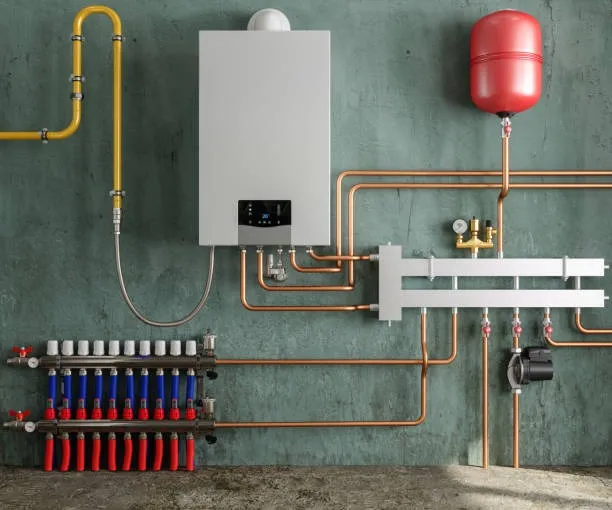
Why timely water heater repair matters in German Village, OH
German Village has many historic and closely spaced homes where plumbing runs are compact and access can be tight. Winters in central Ohio bring higher hot water demand and greater exposure of pipes and tanks to temperature stress. Combined with moderately hard municipal water, these local conditions increase the risk of sediment buildup, corrosion, and component failure. Prompt repair minimizes water damage in older structures and helps local businesses meet health and safety requirements.
Common water heater issues in German Village, OH
Residents and businesses commonly experience these problems:
- No hot water or inconsistent temperatures - often caused by failed heating elements, thermostats, or faulty gas ignition.
- Leaks or standing water - from corroded tanks, loose fittings, or failed pressure relief valves.
- Pilot light or ignition issues - common on gas units, including thermocouple or gas valve faults.
- Sediment buildup and rumbling noises - hard water causes sediment to collect on the tank bottom, reducing efficiency and accelerating wear.
- Thermostat and heating element failures - electric units often need element or thermostat replacement.
- Short cycling or frequent on-off cycles - can indicate thermostat issues, sediment, or incorrect unit sizing.
- Tankless or commercial unit performance problems - scale, clogged inlets, or control board faults on high-demand systems.
Diagnostic and troubleshooting process
A systematic diagnostic approach reduces unnecessary repairs and targets the root cause:
- Initial symptom interview - gather unit make, model, age, recent changes, and observed behavior (no heat, leak, noise).
- Visual inspection - check condition of tank, fittings, venting, combustion area (gas units), and visible corrosion.
- Safety checks - confirm temperature-pressure relief valve operation, look for active leaks, and test for gas odor or loose electrical connections.
- Functional testing - test thermostats, heating elements, voltage, gas pressure, pilot/ignition sequence, and burner operation.
- Sediment evaluation - assess tank age and sound for rumbling, determine need to flush or descale.
- Leak source isolation - differentiate between tank failure, plumbing connection leak, or secondary issues like water heater pan drainage.
Diagnostics are documented and presented as clear options with expected outcomes. For commercial systems, additional load testing and compliance checks may be performed to ensure sanitation and code requirements are met.
Typical repairs and parts replacement
Common repairs include:
- Heating element and thermostat replacement for electric water heaters.
- Thermocouple, pilot assembly, gas valve, and ignition control repairs for gas models.
- Pressure-temperature (T&P) relief valve replacement and relief piping repairs.
- Anode rod replacement to slow tank corrosion and extend tank life.
- Tank flushing and descaling to restore efficiency and reduce noise from sediment.
- Leak repair when caused by fittings, valves, or drain connections; tank replacement when the tank itself is corroded.
- Control board, pump, or sensor replacement on tankless and commercial units.
Parts are selected to match manufacturer specifications and local code requirements. Warranties commonly vary by part type and manufacturer; options typically include parts and labor coverage for replaced components and limited manufacturer warranties for new tanks.
Emergency response and safety steps
Cold months and business demand make emergency water heater repair a frequent need in German Village. Typical emergency response includes rapid assessment and stabilization to reduce damage and restore minimal hot water or safe conditions. Safe steps property owners can take while waiting for service:
- Turn off the power switch for electric heaters or switch the circuit breaker off.
- For gas units, set the gas control to the off position if a gas smell is present, and ventilate the area.
- Shut off the water supply to the unit if there is an active leak.
- Move valuables away from leaks and contain water with buckets or towels when safe to do so.
Service response prioritizes safety: isolating leaks, securing gas or electrical hazards, and providing interim solutions when immediate full repair is not possible.
Transparent pricing, estimates, and service guarantees
Transparent pricing and clear estimates help customers in German Village make informed decisions. A standard process includes a documented diagnostic fee and a detailed repair estimate that lists required parts, labor, and warranty terms before work begins. Estimates often differentiate between repairs that restore current function and recommended replacements that reduce long-term risk. Many repairs include written guarantees on workmanship and specified parts warranty periods. For equipment still under manufacturer warranty, proof of purchase and model information guide coverage eligibility.
Maintenance tips to prevent future breakdowns
Regular maintenance extends water heater life and reduces emergency calls, particularly important for older homes in German Village:
- Flush the tank at least once a year to remove sediment; more frequent flushing is recommended for hard water conditions.
- Inspect and replace the anode rod every 3 to 5 years depending on water chemistry and usage.
- Test the temperature-pressure relief valve annually for proper operation.
- Keep the thermostat at 120 degrees Fahrenheit to reduce scald risk and reduce energy use.
- Insulate accessible hot water pipes and the first few feet of the tank in unheated spaces to limit heat loss.
- For tankless systems, schedule annual descaling if water hardness is high to prevent scale buildup and maintain flow rate.
- Consider a whole-house water treatment or softener in areas with hard water to reduce sediment and extend equipment life.
What to expect when scheduling service
When arranging water heater repair in German Village, OH, the scheduling process typically asks for:
- Unit make, model, and age, and a brief description of the problem.
- Whether the unit is electric, gas, tank, tankless, or commercial, and access details (basement, closet, rooftop).
- Any safety concerns such as active leaks, odors, or visible corrosion.
Appointments usually include an arrival window, a diagnostic inspection, a written estimate, and an explanation of repair options and warranty information. For larger commercial systems or complex replacements, follow-up visits or coordinated shut-downs may be planned to minimize business disruption.
Keeping hot water reliable in German Village requires targeted diagnostics, prompt repair of common faults, and a proactive maintenance mindset. With attention to local conditions like older building stock and seasonal demand, proper care and timely repairs can prevent costly water damage and keep homes and businesses running smoothly.
Hot Deals & Cool Savings

.webp)
New Service Agreement Membership
.webp)
Any New Client Service
Next Service for Referring a New Client
New Service Agreement Membership
Any New Client Service
Next Service for Referring a New Client
.webp)
.webp)

Service Areas
