
Water Heater Installation in Linden, OH
Water heater installation in Linden, OH: explore fuel options, sizing, permits, timelines, warranties, and financing. Learn more for your home today.

Water Heater Installation in Linden, OH
Getting a new water heater installed is a decision that affects comfort, energy bills, and long-term home value. For Linden, OH homes, where cold winters increase hot water demand and Ohio’s moderately hard water can shorten equipment life, a carefully planned water heater installation ensures reliable year-round performance.
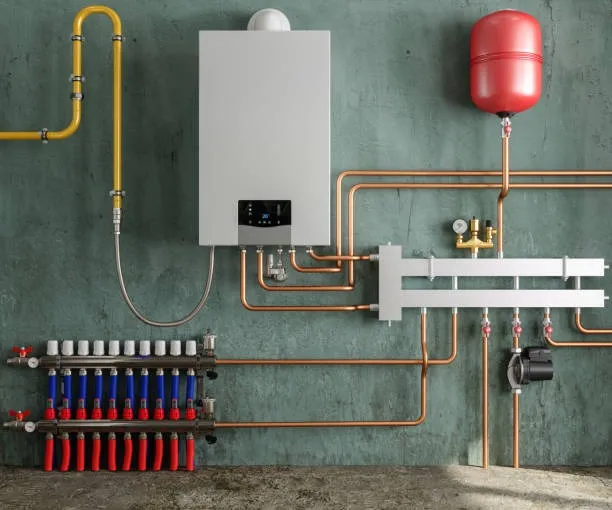
Common water heater needs and issues in Linden, OH
- Insufficient hot water during cold months or for larger families
- Rising energy bills from older, inefficient tanks
- Early corrosion or sediment buildup from hard water
- Space constraints in basements or closets
- Desire to switch fuel types (electric to gas or to a heat pump)
- Need for more reliable hot water for new bathrooms or remodels
Which system is right: fuel types and tank vs tankless
- Conventional tank (gas or electric): Stores hot water for immediate use. Lower upfront cost, familiar installation, easier to pair with existing utilities. In Linden, gas tanks typically deliver lower operating costs than electric tanks if natural gas is available.
- Tankless (on-demand): Heats water as needed. Smaller footprint, longer lifespan, and higher energy efficiency for intermittent use. Requires higher electrical capacity or properly sized gas line and venting.
- Heat pump (electric heat pump water heaters): Highly efficient for the right home conditions (sufficient space for heat extraction). Often eligible for efficiency incentives.
- Fuel comparisons:
- Natural gas: Lower operating cost for many households, requires venting and gas line capacity.
- Electric: Simpler installation where gas is unavailable; higher operating costs unless using heat pump technology.
- Propane: Viable in rural or off-grid contexts but costs can fluctuate.
Considerations specific to Linden: cold ambient temperatures can reduce efficiency of heat-pump systems if installed in unconditioned spaces; insulating local hot water piping and selecting corrosion-resistant materials helps combat hard water effects.
System sizing and load calculations
Proper sizing avoids short cycling (too small) or wasted energy and cost (too large).
- Calculate peak hour demand by totaling simultaneous fixture usage (e.g., shower + dishwasher + bath). A standard rule: families of 1–2 need 30–40 gallons, 3–4 need 40–60 gallons, larger homes require higher capacity or multiple units.
- For tankless, evaluate flow rate (gallons per minute) of simultaneous fixtures and required temperature rise based on incoming groundwater temperatures in Ohio.
- Consider future needs (bathroom additions, larger family) and efficiency upgrades when sizing.
Site preparation and permit requirements in Linden, OH
- Typical permit requirements: plumbing and mechanical permits for new water heater installations, especially for gas or structural changes. Local building department rules dictate ventilation, seismic strapping (if applicable), and discharge routing for T&P relief valves.
- Site prep checklist:
- Confirm clearances and ventilation at the chosen location (basement, utility closet, garage).
- Ensure adequate electrical service for electric or tankless units (240V circuits and breaker capacity).
- Verify gas meter capacity and line size for high-demand tankless units.
- Provide an accessible drainage point for T&P relief valve and condensate for high-efficiency units.
- Permit timelines vary by municipality; plan for permit approval before installation day.
Removal and disposal of old units
- Safe disconnection of utilities (gas, electric, water) and draining the tank.
- Proper handling of fuel lines and vent piping to code.
- Environmentally responsible disposal: draining and recycling refrigerants where applicable, recycling scrap metal, and following local disposal rules for appliances.
Stepwise installation procedure
- Pre-install inspection and final sizing confirmation (on-site or detailed remote assessment).
- Secure permits and order the selected unit and necessary materials.
- Prepare site: adjust supports, install pan or drain where required, upgrade wiring or gas piping if needed.
- Remove old unit, cap lines temporarily, and prepare connections.
- Install new unit: set tank or mount tankless, connect water lines, install expansion tank if required, connect gas or electrical service, and set up venting or condensate drains.
- Pressure test plumbing, check for gas leaks, and commission the unit with settings adjusted to household needs.
- Walk-through showing operation, maintenance points, and warranty registration documentation.Permitting and any utility upgrades are scheduled into the timeline to avoid surprises.
Typical timelines
- On-site assessment: 30 to 60 minutes.
- Permitting: from same-day electronic permits to several business days depending on local review.
- Standard tank installation: 3 to 6 hours if no upgrades are needed.
- Tankless or complex installs (panel upgrade, gas line sizing, or new venting): 1 to 2 days, sometimes longer if permits or utility work are needed.
- Disposal and cleanup: completed same day as installation.
Warranty and maintenance expectations
- Manufacturer warranties commonly range from mid-term (6 to 12 years for conventional tanks) to longer coverage (often 10 to 15 years for tankless heat exchangers). Labor warranties for installation vary—check what’s included in your written estimate.
- Recommended maintenance:
- Annual flushing to remove sediment (more often in hard water areas).
- Check and test the temperature and pressure relief valve.
- Inspect for leaks, venting blockages, and corrosion.
- Replace sacrificial anode rods on tanks when needed to extend service life.
- Professional inspection every 1–2 years for tankless units to clean burners or heat exchangers.
Energy-efficiency considerations and rebates
- Higher-efficiency models (condensing gas units, heat pump water heaters, certified tankless units) reduce annual operating costs. When comparing options, weigh initial cost against lifecycle energy savings.
- Rebates and incentives: federal and state programs, plus local utility rebates in Ohio, often target heat pump units and high-efficiency models. Check available incentives from your energy provider or state energy office before final purchase to maximize savings.
Financing and estimate options
- Typical estimate process: collect household hot water profile, propose several system options (tank, tankless, heat pump), and deliver itemized written estimates showing equipment, labor, permit fees, and expected timeline.
- Financing paths commonly offered in the industry: lender-backed home improvement loans, low-interest plans through third-party partners, or energy-efficiency financing programs. Compare monthly payment estimates and total lifecycle cost to pick the best fit.
How a consultation and installation are typically arranged
- A standard consultation involves an initial data-gathering phase (home size, current system, hot water needs), an on-site assessment to confirm clearances and utilities, and a written estimate that compares system choices and timelines. After permits are secured, the installation is scheduled to minimize household disruption. Documentation provided usually includes warranty registration instructions and maintenance recommendations.
Hot Deals & Cool Savings

.webp)
New Service Agreement Membership
.webp)
Any New Client Service
Next Service for Referring a New Client
New Service Agreement Membership
Any New Client Service
Next Service for Referring a New Client
.webp)
.webp)

Service Areas
