
Water Heater Repair in Linden, OH
Water heater repair in Linden, OH with fast diagnostics, safe repairs, and maintenance tips. Schedule service now for reliable hot water.

Water Heater Repair in Linden, OH
Having reliable hot water is essential in Linden, OH, where cold Ohio winters and older housing stock increase demand on water heaters and the risk of seasonal failures. Whether your unit is electric, gas, or tankless, prompt diagnostic and repair service keeps your home safe and comfortable and helps avoid costly replacements down the road.
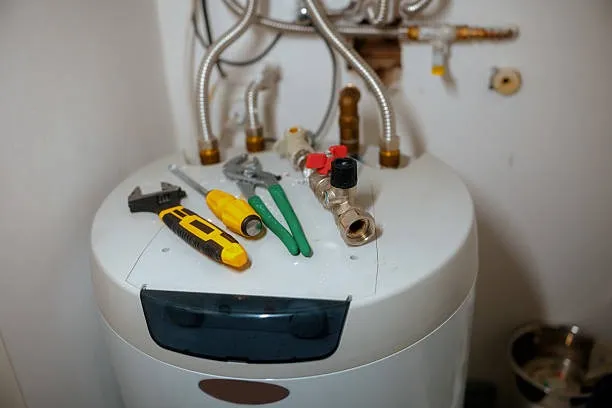
Common water heater problems in Linden, OH
- No hot water or inconsistent temperature — Often caused by failed heating elements, thermostat faults, tripped breakers, or gas ignition problems on gas units. In Linden, colder incoming water in winter increases load and can make weak elements fail faster.
- Leaking tank or connections — Corrosion, loose fittings, or failing pressure relief valves can cause leaks. Older tanks common in Linden neighborhoods are more prone to corrosion-related leaks.
- Strange noises (rumbling, popping) — Sediment build-up from hard or mineral-rich water causes the tank to overheat in spots and produce banging or popping noises. Linden’s water conditions can accelerate sediment accumulation in tanks.
- Pilot light or ignition issues (gas models) — Faulty thermocouples, gas valves, or pilot lighting systems prevent ignition or cause intermittent operation. Cold drafts and older venting in historic Linden homes can complicate pilot stability.
- Slow hot water recovery or frequent cycling — This can indicate a failing thermostat, a shorted heating element, or inadequate unit capacity for household needs.
- Water discoloration or metallic taste — Rust inside the tank or corroded anode rods can discolor water and indicate imminent tank failure.
Diagnostic and troubleshooting process
A systematic diagnostic approach identifies the root cause quickly and safely:
- Initial intake and symptom verification — Confirm the problem (no hot water, leak, noise) and household details: tank or tankless, age of unit, recent work, and water usage patterns.
- Safety checks — For gas units, check for gas leaks, proper venting, and carbon monoxide risks. For electric units, ensure power to the unit and verify breakers and fuses. Safety is prioritized before any deeper diagnostics.
- Visual inspection — Look for signs of corrosion, leaking fittings, rust at seam lines, and condition of venting and gas lines. Check the T&P (temperature and pressure) relief valve and drainage pan.
- Operational tests — Test thermostats and heating elements (electric), inspect pilot assembly and ignition systems (gas), and check inlet/outlet temperatures to determine heat transfer efficiency. Tankless units require flow and sensor checks.
- Sediment and pressure assessment — Drain a sample to evaluate sediment levels and test water pressure to identify issues that strain the heater.
- Component-specific diagnostics — Use meters and combustion analyzers as needed to test elements, thermocouples, gas valves, and control boards.
Typical repairs and parts replacement
Common repair procedures for Linden, OH homes include:
- Replacing heating elements or thermostats (electric tanks) — Often restores full functionality when an element or thermostat has failed.
- Thermocouple or gas valve replacement (gas tanks) — Fixes pilot and ignition problems, restoring reliable ignition control.
- Anode rod replacement — Extends tank life by protecting against corrosion; recommended when the rod is heavily corroded.
- Flushing the tank and sediment removal — Eliminates rumbling noises, improves efficiency, and is a straightforward preventative or corrective step.
- Pressure relief valve replacement — Stops leaks and ensures safe pressure relief operation.
- Minor leak repairs (fittings, valves, drain valves) — Tightening or replacing failed fittings or the drain valve often cures small leaks.
- Control board or sensor replacement (tankless and modern units) — Fixes electronic faults, error codes, and intermittent operation.
Parts are selected to match manufacturer specifications and safety standards. When repairs are not cost-effective because of severe corrosion or repeated failures, a replacement is typically recommended.
Expected timelines
- Diagnostic visit — Most problems can be diagnosed within 30 to 90 minutes on site.
- Minor repairs and parts replacement — Simple fixes such as replacing elements, thermostats, or valves are often completed the same day (1–3 hours).
- Sediment flushing and maintenance — Typically 30–90 minutes depending on tank size and condition.
- Major component repairs or ordering parts — If a specialized control board or uncommon part is needed, repairs may take 1–3 business days depending on part availability.
- Full replacement — If necessary, replacing a tank or installing a tankless system usually requires a half- to full-day, sometimes longer for permit and venting changes.
Emergency repair availability and when to call
Emergency situations include:
- Active water leaks causing flooding or imminent structural damage.
- Complete loss of hot water in freezing conditions that risks frozen pipes or health/safety concerns.
- Suspected gas leaks or carbon monoxide presence — Any smell of gas or CO alarm activation is an immediate safety hazard.
Emergency response options are provided locally to address these urgent risks quickly and safely.
Technician qualifications and standards
Qualified technicians who perform water heater repair in Linden, OH typically hold:
- Licensed HVAC or plumbing credentials where required by local code.
- Gas safety certification for working on natural gas or propane systems.
- Training in electric water heater diagnostics and electrical safety.
- Experience with tankless systems and modern control electronics.
- Use of proper tools and safety equipment, and adherence to local building and gas codes. Technicians should explain findings clearly and document repairs and safety checks performed.
Warranty and parts coverage
Repairs commonly include manufacturer or aftermarket parts with limited warranties. Typical practice includes:
- Clear documentation of parts replaced and warranties provided for those parts.
- Recommendations about remaining tank warranty where applicable (age and corrosion often limit coverage).
- Advice on when continued repairs are less economical than replacement based on tank condition and warranty status.
Maintenance tips to prevent future issues
- Flush the tank annually to remove sediment and reduce noise and overheating.
- Check and replace the anode rod every 3–5 years depending on water quality; this greatly extends tank life.
- Test the T&P valve annually to ensure it operates freely.
- Insulate the first 3–5 feet of hot and cold water pipes and the tank (where permitted) to reduce heat loss and improve recovery.
- Set a safe thermostat temperature (typically 120°F) to prevent scalding and reduce stress on the unit.
- Keep the area around the water heater clear and verify proper venting and combustion air for gas units, especially in older Linden homes with tight or modified spaces.
- Schedule routine professional inspections, especially before winter, to verify safe operation and catch small problems early.
Timely repair and routine maintenance keep hot water flowing, improve energy efficiency, and extend the life of your water heater. In Linden, OH, addressing weather-related stresses, sediment issues, and aging equipment proactively can prevent emergency failures during the coldest months and protect your home from water damage and safety hazards.
Hot Deals & Cool Savings

.webp)
New Service Agreement Membership
.webp)
Any New Client Service
Next Service for Referring a New Client
New Service Agreement Membership
Any New Client Service
Next Service for Referring a New Client
.webp)
.webp)

Service Areas
