
Water Heater Installation in Minerva Park, OH
Water Heater Installation Minerva Park OH: professional service for unit selection, sizing, permits, and safe, efficient setup. Learn more.

Water Heater Installation in Minerva Park, OH
Replacing or installing a new water heater is a major home decision. In Minerva Park, OH, where cold winters increase hot water demand and many homes face hard water conditions, the right water heater and a correct installation make a measurable difference in comfort, safety, and monthly energy costs.
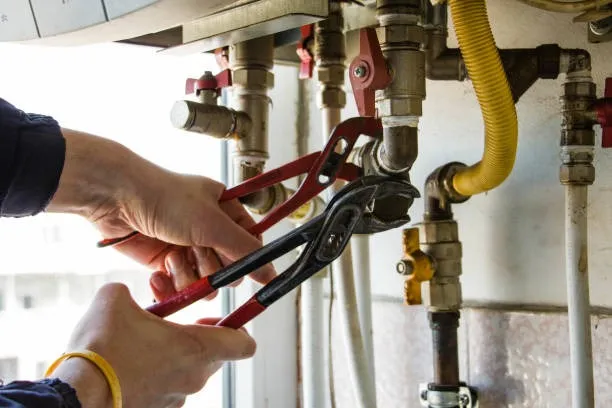
Common water heater issues in Minerva Park homes
Homeowners often schedule replacements because of these problems:
- Frequent leaks or pooling around the tank from corrosion or failed fittings
- Not enough hot water for showers or simultaneous loads
- Rising energy bills from an aging, inefficient unit
- Strange noises from sediment buildup in hard water conditions
- Pilot outage or frequent ignition failures in gas units
- Visible rust or discolored hot water, indicating internal tank deterioration
Understanding the specific issue helps determine whether repair or full replacement is the better long term choice.
Tank vs tankless and energy-efficient models — what fits Minerva Park homes
Compare the main options with local conditions in mind:
- Tank water heaters
- Pros: lower initial cost, simpler replacement in many homes, reliable during power interruptions (for gas)
- Cons: standby heat loss, larger footprint, shorter typical warranty period
- Best for: households with intermittent high-volume needs and where upfront cost is a priority
- Tankless (on-demand) units
- Pros: higher efficiency, virtually unlimited hot water, smaller footprint
- Cons: higher installation cost, may require electrical or gas line upgrades, reduced output in very cold inlet water without proper sizing
- Best for: energy-conscious homes, long-term savings focus, and where space is limited
- Hybrid heat pump water heaters
- Pros: greatest energy savings in moderate climates, lower operating cost
- Cons: need for sufficient installation space and ambient temperature considerations during Ohio winters
- Best for: homeowners eligible for rebates and with utility rates that favor electricity efficiency
Energy-efficient condensing gas models and properly sized tankless systems can offer the best lifecycle savings in the Columbus metro area when matched to a household profile and local fuel costs.
Site assessment and proper unit sizing
A professional installation begins with a detailed site assessment to determine:
- Peak hot water demand based on household size and usage patterns
- Flow rate requirements for showers, appliances, and simultaneous fixtures
- Fuel type availability (natural gas, propane, electric) and utility rate considerations
- Location constraints including access, venting paths, and clearance requirements
- Water quality issues such as hardness that affect longevity and maintenance
- Existing electrical panel capacity or gas line sizing limits
Sizing rules differ by type: tank heaters are sized by tank capacity and recovery rate; tankless sizing uses flow rate (gallons per minute) and temperature rise. Accurate sizing prevents insufficient hot water and reduces operating costs.
Permits, code compliance, and safety in Minerva Park, OH
Installations in Minerva Park typically require permits and inspections to meet local building codes and safety standards. Key compliance areas include:
- Proper venting and combustion air for gas appliances to prevent backdrafting and carbon monoxide risks
- Correct temperature and pressure relief valve (TPR) installation with approved discharge piping
- Gas line sizing and leak testing to code
- Electrical wiring and breaker sizing for electric and hybrid models
- Expansion tanks and backflow prevention on closed domestic hot water systems where required
- Manufacturer installation rules that affect warranty validity
Permits are commonly issued through the local jurisdiction or county building department. Ensuring code compliance protects occupants and preserves the unit warranty.
Typical installation timeline and step-by-step process
Most standard water heater replacements follow these steps and can often be completed in a day:
- On-site confirmation of permit and final sizing decision
- Power and fuel shutoff and safe draining of the old unit
- Removal and disposal of the existing water heater
- Inspection of venting, gas lines, electrical panel, and plumbing for needed upgrades
- Installation of required upgrades such as venting, gas piping, or dedicated electrical feed
- Placement and connection of the new unit, including TPR valve and proper discharge routing
- System fill, purge of air, and pressure testing
- Combustion and safety testing for gas appliances, and electrical checks for electric/hybrid units
- Final adjustments of temperature settings and demonstration of operation
- Documentation of work and advice on maintenance and warranty registration
Complex installs that require panel upgrades, long vent runs, or structural changes can extend the timeline.
Common upgrades and requirements
Installations often reveal necessary improvements:
- Venting modifications or direct-vent conversions for high-efficiency gas units
- Gas line upsizing or new regulators for tankless models with higher BTU demand
- Dedicated 240V circuits and higher amp service for electric or hybrid units
- Installation of expansion tanks on closed systems to protect plumbing
- Condensate drains for condensing units
- Water softening or filtration to reduce hard water damage and extend life
Planning for these upgrades during the site assessment avoids surprises and delays.
Warranty, manufacturer registration, and documentation
Warranty coverage varies by model type and manufacturer. Important points:
- Tank units often have shorter limited warranties on the tank, longer on parts
- Tankless and heat pump models commonly carry longer parts and heat exchanger warranties
- Improper installation or failure to register the unit can void parts of the warranty
- Keep work orders, permit copies, and manufacturer registration confirmations in your records
Professionally documented installations typically strengthen warranty claims if problems arise.
Financing and rebate options for Minerva Park homeowners
Several cost-reduction options may be available:
- Federal, state, and local energy efficiency incentives or tax credits for qualifying high-efficiency models
- Columbus-area utility rebates or programs that support heat pump water heaters or gas condensing systems
- Manufacturer financing plans for higher-efficiency units to spread upfront cost
- Long-term energy savings from efficient models that improve payback over time
Check current programs and eligibility as incentives change periodically.
Post-installation testing and maintenance advice
Initial testing ensures safe, reliable operation. Recommended maintenance to protect your investment:
- Annual flushing to remove sediment in tank systems, more often with hard water
- Inspect and test the TPR valve yearly
- Replace sacrificial anode rods as needed to prevent tank corrosion
- Clean inlet filters and descaler maintenance for tankless models in hard water areas
- Keep temperature set at 120 F for safety and efficiency
- Maintain adequate clearance and ventilation around the unit
Regular maintenance extends equipment life and optimizes efficiency in Minerva Park homes.
Hot Deals & Cool Savings

.webp)
New Service Agreement Membership
.webp)
Any New Client Service
Next Service for Referring a New Client
New Service Agreement Membership
Any New Client Service
Next Service for Referring a New Client
.webp)
.webp)

Service Areas
