
Water Heater Repair in Minerva Park, OH
Water heater repair in Minerva Park, OH - fast diagnostic service, reliable fixes. Schedule your repair today.

Water Heater Repair in Minerva Park, OH
A functioning water heater is essential for comfort and safety, especially in Minerva Park where cold Ohio winters increase demand and mineral-rich groundwater accelerates wear. If your home has inconsistent hot water, leaks, strange noises, or pilot/ignition problems, prompt diagnostic and repair service restores reliability, prevents secondary damage, and extends the life of the system.
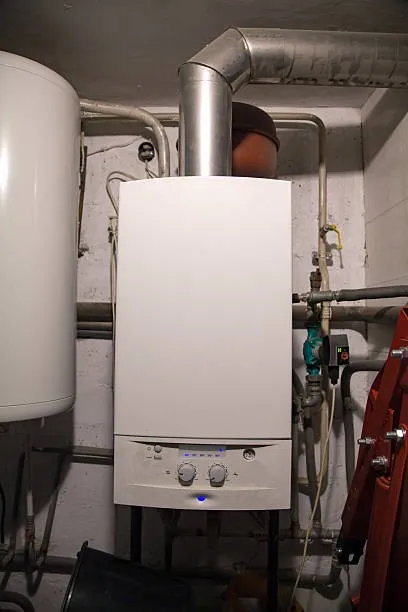
Common water heater problems in Minerva Park, OH
- No hot water or insufficient hot water — often caused by failed heating elements (electric), burner or pilot problems (gas), or a broken thermostat.
- Inconsistent temperature or short hot cycles — can be due to thermostat drift, sediment build-up, or a failing dip tube.
- Leaks from the tank or connections — small pinhole tank leaks and deteriorated fittings are frequent in areas with mineral-laden water.
- Strange noises (rumbling, popping, banging) — typically from sediment accumulation heating and shifting on the tank bottom; common with hard water in central Ohio.
- Pilot light or ignition issues (gas units) — thermocouple failure, blocked pilot orifice, or faulty gas valves can prevent reliable ignition.
- Rusty or discolored water — indicates corrosion inside the tank or a failing sacrificial anode rod.
- Rapid cycling or high energy use — signs of inefficiency, often related to scale, failing components, or improper thermostat settings.
Types of water heaters diagnosed and repaired
- Conventional storage tank water heaters (gas and electric)
- Tankless (on-demand) water heaters
- Heat pump and hybrid water heaters
- Indirect-fired systems
- Commercial-grade residential systems and booster units
Technicians experienced in all these systems will run appropriate tests and tailor repairs to the unit type and the typical demands of Minerva Park homes.
Diagnostic process: what to expect
- Initial assessment: Visual inspection for leaks, corrosion, venting, and accessibility; review of symptoms and usage patterns.
- Safety checks: Verify shutoff points, gas line integrity, electrical disconnects, and ensure proper venting and combustion air for gas units.
- Functional tests: Measure temperature rise, check thermostat and heating element resistance, test ignition systems, flame quality, and gas pressure where applicable.
- Leak detection: Pressure tests, inspection of fittings, and examination of the tank for hairline failures.
- Sediment and flow evaluation: Determine extent of scaling and blockage that could affect heat transfer and flow for both tank and tankless models.
- Final diagnosis and repair plan: Clear explanation of the malfunction, the parts and labor required, and expected outcomes.
Typical response times in Minerva Park vary by urgency and season:
- Emergency situations (major leak, gas smell, no heat in freezing conditions) — emergency support is available 24/7 with localized response times often within a few hours, depending on time of day and weather.
- Non-emergency repairs — most calls are scheduled within 24 to 72 hours; winter demand can extend scheduling windows.
Common repairs and parts frequently replaced
- Heating elements and thermostats (electric tanks) — restore lost heating capacity or correct temperature control.
- Anode rods — replaced to prevent internal corrosion and prolong tank life.
- T&P relief valves and drain valves — address leaks and overpressure issues.
- Gas valves, thermocouples, pilot assemblies, and igniters — repair ignition and combustion failures on gas units.
- Dip tubes and inner fittings — restore proper cold-water inlet function.
- Control boards, flow sensors, and heat exchangers (tankless units) — common failure points in high-use systems.
- Expansion tanks and pressure regulators — reduce stress on the system and prevent leaks in closed domestic hot water systems.
Step-by-step repair workflow
- Secure the site: Turn off power and/or gas and isolate water supply to prevent damage.
- Drain and prepare: If necessary, drain the tank partially or fully to access components safely.
- Replace failed part(s): Use manufacturer-recommended or OEM-equivalent parts for reliability and warranty compatibility.
- Perform systemic checks: After repair, verify thermostats, pressure relief, venting, and combustion characteristics (gas).
- Flush and clean: Remove sediment where applicable and restore proper water flow.
- Test under load: Confirm unit reaches proper temperatures and maintains performance during simulated use.
- Documentation: Provide a written summary of work performed, replaced parts, and any maintenance recommendations along with applicable warranties.
Emergency repairs and homeowner safety
Common emergencies include major leaks, sudden loss of hot water in freezing weather, and the smell of gas. Immediate homeowner steps:
- For water leaks: shut off the cold-water supply to the water heater and isolate electrical or gas power to the unit.
- For gas smell: do not operate electrical switches, open windows to ventilate, shut off the gas supply if safe to do so, and move occupants away from the source.
- For electrical issues: switch off the circuit breaker feeding the water heater and avoid touching wiring or wet surfaces.
These measures limit damage and exposure until professional repair personnel arrive.
Warranty and service guarantees explained
- Parts warranties are typically provided by manufacturers for specific components (anode rods, heating elements, control modules). Check component labels for original coverage terms.
- Labor warranties offered by repair providers usually cover workmanship for a defined period after the repair; common durations vary.
- Satisfaction and safety checks following repair are standard practices to confirm the job meets performance and safety expectations.When evaluating service options, verify which warranty covers parts and which covers labor, and whether manufacturer warranties remain intact after repairs.
Maintenance tips to prevent future issues in Minerva Park, OH
- Annual or semiannual flush: Hard water in the Columbus area accelerates sediment buildup; regular flushing reduces noise and improves efficiency.
- Inspect the anode rod every 2 to 4 years and replace when heavily corroded to prevent tank failure.
- Install water treatment if you have very hard water: a water softener or scale inhibitor reduces sediment and extends component life.
- Set thermostat to 120°F to balance comfort, safety, and energy use.
- Insulate exposed pipes and outdoor tanks to avoid freezing during Ohio winters.
- Check venting and combustion air for gas units yearly to prevent carbon monoxide and efficiency problems.
- Address small leaks promptly to prevent corrosion and larger tank failures.
Timely repairs and regular maintenance restore comfort quickly and reduce the long-term cost of ownership. In Minerva Park homes, where seasonal temperature swings and water quality challenge systems, proactive care keeps water heaters running safely and efficiently for years.
Hot Deals & Cool Savings

.webp)
New Service Agreement Membership
.webp)
Any New Client Service
Next Service for Referring a New Client
New Service Agreement Membership
Any New Client Service
Next Service for Referring a New Client
.webp)
.webp)

Service Areas
