
Water Heater Repair in Hilltop, OH
Water heater repair in Hilltop, OH restores hot water quickly with expert diagnostics and safe, lasting fixes. Schedule service today.

Water Heater Repair in Hilltop, OH
When your home in Hilltop, OH loses hot water or shows signs of a failing water heater, it becomes more than an inconvenience — it can disrupt daily routines and risk property damage. Water heater repair in Hilltop, OH focuses on diagnosing common failures quickly, restoring reliable hot water, and advising whether repair or replacement is the most cost-effective, long-term solution. Local climate factors like cold winters and regional water quality variations make timely diagnostics and maintenance especially important for Hilltop homes.
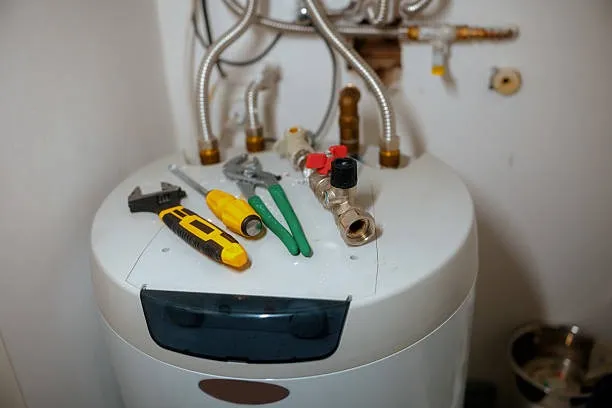
Common water heater problems in Hilltop, OH
Homeowners in Hilltop typically call for service for these issues:
- No hot water or insufficient hot water after heated demand increases during winter.
- Visible leaks around the tank, fittings, or connected piping.
- Strange noises such as rumbling, popping, or banging caused by sediment buildup.
- Pilot light or electronic ignition failures on gas units.
- Intermittent heating, rapid cycling, or sudden temperature swings.
- Discolored or metallic-smelling hot water indicating corrosion or a failing sacrificial anode.
- Tripped breakers or electrical faults on electric water heaters.
Many of these problems are accelerated by seasonal factors in Hilltop: cold outdoor temperatures increase demand and strain older units, and mineral-rich water common to parts of Ohio promotes sediment accumulation and faster anode depletion.
Diagnostic steps technicians perform
Technicians follow a systematic diagnostic process to identify root causes before recommending repairs:
- Visual inspection: check for leaks, rust, corrosion, venting condition, and mounting of valves and fittings.
- Verify power or fuel supply: confirm circuit breakers, tankless electric elements, gas supply, and shutoff valves are operating.
- Temperature and thermostat checks: measure actual outgoing temperature and inspect/adjust thermostat settings.
- Fuel ignition testing: on gas units, inspect pilot assembly, thermocouple, and electronic igniter for proper operation.
- Element and continuity testing: use multimeter readings for electric heating elements and thermostats.
- Pressure and flow checks: evaluate incoming water pressure and flow rate, and operate the temperature and pressure (T&P) relief valve.
- Sediment assessment: drain a sample to determine sediment levels and evaluate tank interior condition where possible.
- Leak source tracing: determine whether leaks are from valves, plumbing connections, fittings, or tank failure.
Technicians document findings and compare them with unit age and service history to weigh repair vs replacement.
Typical repair procedures and replacement parts
Common repair procedures include:
- Flushing the tank to remove sediment and restore heating efficiency.
- Replacing heating elements, thermostats, or dip tubes on electric models.
- Installing a new thermocouple, pilot assembly, gas control valve, or ignition module for gas heaters.
- Replacing the anode rod to slow corrosion and extend tank life.
- Replacing T&P relief valves or inlet/outlet fittings that leak.
- Repairing or replacing corroded inlet/outlet nipples and associated piping.
- Patching minor tank leaks when feasible, or recommending full tank replacement if tank integrity is compromised.
Typical parts used in repairs:
- Heating elements and thermostats
- Anode rods
- Temperature and pressure relief valves
- Thermocouples and pilot or ignition assemblies
- Gas control valves and gas lines
- Dip tubes, flow restrictors, and tank fittings
- Venting components and insulating jackets
Technicians assess whether a repair will reliably restore service for an acceptable period or if replacement is the safer, longer-term solution — especially for tanks older than 10–12 years or units with widespread corrosion.
Timeframe for repairs
Repair times vary by issue complexity:
- Simple fixes (thermostat, element, T&P valve replacement) are commonly completed in 1–3 hours.
- Sediment flushing and diagnostics typically take 1–2 hours but can extend if multiple components need attention.
- Gas control or venting repairs may take 2–4 hours depending on parts availability and venting complexity.
- Major repairs or full replacements require more time for proper removal and installation and may extend to a full day.
Emergency situations are prioritized for immediate response when possible, especially during cold months when a lack of hot water poses greater hardship.
Emergency and 24-hour repair considerations in Hilltop
Emergency scenarios include visible tank leaks flooding floors, a strong smell of gas, severe electrical faults, or complete loss of hot water during freezing conditions. In such cases:
- Shut off the water supply at the incoming valve to reduce flooding.
- For gas units, turn off the gas supply and ventilate the area; evacuate if you detect persistent gas odor.
- For electric units, turn off the circuit breaker feeding the water heater.
- Open a hot water tap to relieve pressure and reduce tank temperature.
Emergency repair services in Hilltop respond to these hazards and may provide temporary measures to limit damage while scheduling permanent repairs.
Safety protocols technicians follow
Qualified technicians use strict safety protocols to protect your home and family:
- Verify and de-energize electrical circuits before working on elements or wiring.
- Shut off gas and confirm absence of leaks before working on gas controls or burners.
- Use proper ventilation when servicing combustion appliances and inspect flues for blockage or deterioration.
- Test and replace pressure relief valves to prevent overpressure failures.
- Observe local code requirements for venting, clearances, and combustion air.
- Document all safety checks and provide a clear explanation of any hazards found.
These protocols reduce the risk of carbon monoxide, scalding, electrical shock, and water damage.
Warranty handling and documentation
Manufacturers’ warranties and service warranties differ. When repairing or replacing components, technicians typically:
- Verify manufacturer warranty status by checking unit serial numbers and age.
- Provide written records of parts replaced, labor performed, and photos when warranty claims are likely.
- Advise on warranty transferability and what actions can void coverage (improper maintenance, unlicensed work, or unauthorized modifications).
- Issue service warranties for labor and replaced parts where applicable.
Keeping installation records and service invoices is important for any future claims.
Preventative maintenance tips for Hilltop homes
Regular maintenance helps avoid emergency repairs and extends the life of your water heater:
- Flush the tank annually (or more often with hard water) to remove sediment that reduces efficiency and causes noises.
- Inspect and replace the sacrificial anode rod every 2–5 years depending on water quality.
- Test the T&P relief valve annually to ensure it opens freely.
- Lower thermostat settings to 120 degrees Fahrenheit to reduce energy use and scald risk.
- Insulate exposed hot water pipes and consider a tank blanket in older homes to reduce heat loss during cold Hilltop winters.
- Schedule annual professional inspections to catch small issues before they escalate.
Keeping up with maintenance is especially valuable in Hilltop, where seasonal demand and local water conditions affect heater longevity.
Hot Deals & Cool Savings

.webp)
New Service Agreement Membership
.webp)
Any New Client Service
Next Service for Referring a New Client
New Service Agreement Membership
Any New Client Service
Next Service for Referring a New Client
.webp)
.webp)

Service Areas
