
AC Installation in Grove City, OH
Expert air conditioning installation in Grove City, OH. Learn more about the process, permits, and financing for reliable comfort.

Air Conditioning Installation in Grove City, OH
Replacing or installing a new air conditioning system is one of the most important home investments for comfort, efficiency, and indoor air quality. In Grove City, OH, where humid summers demand reliable cooling and tight temperature control, a properly sized, professionally installed AC prevents hot spots, excessive energy bills, and early system failure.
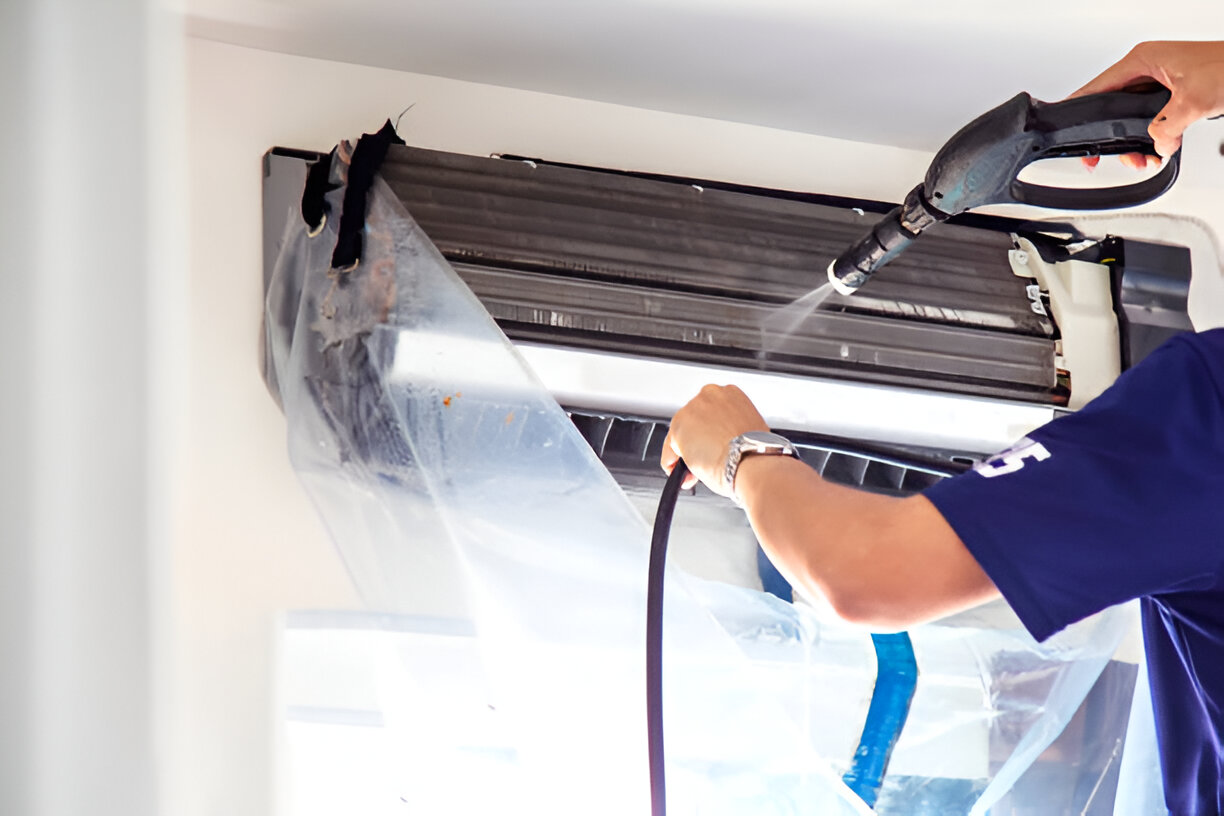
Why a local, professional installation matters in Grove City, OH
Grove City experiences warm, humid summers that place added emphasis on both cooling capacity and dehumidification. Local weather patterns, typical home construction in Franklin County, and older neighborhood duct systems can all affect performance. A local installer familiar with Grove City homes will size the system to match actual conditions, account for humidity control, and adapt to common layout and ductwork challenges found in the area.
Common AC installation types and issues in Grove City homes
- Central air conditioner replacement or first-time central AC for homes with existing ductwork
- Ductless mini-split systems for additions, older homes without ducts, or zone control needs
- Heat pump installations for combined cooling and efficient heating in moderate climates
- Upgrading from an oversized or undersized system that causes short cycling or poor humidity control
- Duct upgrades, sealing, or reconfiguration where leaky or undersized ducts reduce efficiency
- Electrical panel or breaker upgrades when older homes cannot safely support modern HVAC loads
Home load assessment and unit sizing
Proper unit sizing starts with a professional load assessment, commonly called a Manual J calculation. This evaluates:
- Square footage and room-by-room characteristics
- Insulation levels, window types, sun exposure, and shading
- Occupancy and typical internal heat gains (appliances, lighting)
- Local climate factors such as temperature and humidity patterns
Sizing is critical: an oversized unit cools too quickly without removing humidity, while an undersized unit runs continuously and may never reach setpoint. For Grove City, the assessment emphasizes dehumidification capacity because Ohio summers are both warm and humid.
Selecting energy-efficient models
Energy efficiency saves money and improves comfort over the system’s life. When selecting a new system consider:
- SEER rating (Seasonal Energy Efficiency Ratio) for cooling efficiency — higher SEER means lower operating costs
- ENERGY STAR certified options for added efficiency and potential rebates
- Variable-speed compressors and ECM blower motors for better humidity control and quieter operation
- Matched system components (indoor coil and outdoor unit) for optimal performance
- Refrigerant type and availability — newer refrigerants are more environmentally friendly and often required by code
For many Grove City homeowners, heat pumps are a favorable option because they provide efficient cooling and heating in moderate climates. Ductless systems offer targeted comfort for additions or retrofit situations.
Step-by-step installation procedures
- Pre-installation survey: confirm load calculations, duct condition, electrical capacity, and condenser/coil placement.
- Permitting: obtain local permits required by Grove City and Franklin County codes (see permitting section below).
- Remove old equipment: safely reclaim refrigerant and remove the outdoor unit and indoor components as needed.
- Prepare site and ductwork: install or modify a condenser pad, set up refrigerant lines, and repair or seal duct leaks.
- Install indoor components: mount the coil or air handler, set up drain lines and condensate management.
- Connect refrigerant and electrical: charge the system with refrigerant per manufacturer specifications and connect to the home’s electrical system.
- Insulate and protect lines: secure refrigerant lines and insulate to prevent condensation and thermal losses.
- Start-up and balancing: run the system through a full cycle, measure airflow, and adjust blower speed and dampers for balanced distribution.
Permitting and safety checks
Grove City and Franklin County require permits for most new HVAC installations and major replacements. Permits ensure the work complies with local building codes, electrical requirements, and refrigerant handling regulations. Key safety checks during installation include:
- Proper refrigerant recovery and handling to EPA standards
- Electrical wiring size, breaker protection, and grounding
- Combustion appliance safety when replacing combined systems
- Proper condensate disposal to prevent moisture issues
- Secure mounting and clearance for outdoor equipment
Documenting permits and safety inspections protects the homeowner, supports warranty claims, and ensures resale transparency.
System testing and commissioning
Commissioning verifies the installation performs to specification:
- Verify refrigerant charge and pressures against manufacturer charts
- Measure supply and return airflow and adjust for proper CFM per ton
- Test thermostat calibration and control logic, including programmable settings
- Check temperature split and humidity performance during operation
- Inspect ductwork for leaks and measure static pressure
- Ensure safe operation of safety controls, condensate protection, and electrical connections
A comprehensive commissioning report documents measured values and adjustments, so homeowners know their system is operating correctly.
Warranty registration and documentation
After installation, register the system with the manufacturer to activate warranties and any extended coverage. Keep copies of:
- Load calculations and sizing documentation
- Permit records and inspection approvals
- Start-up and commissioning reports
- Manufacturer warranty and registration informationThese documents are crucial for warranty service, maintenance planning, and future resale.
Financing and rebate assistance
Homeowners have several paths to reduce upfront costs and improve long-term savings:
- Manufacturer rebates and promotions on high-efficiency models
- Utility or regional energy-efficiency programs offering rebates for qualified equipment or duct improvements
- Federal tax credits or incentives for certain high-efficiency systems (subject to current program rules)
- Financing plans with monthly payment options to spread installation costs over time
Ask for documentation of available rebates and confirm eligibility requirements such as minimum SEER ratings, ENERGY STAR certification, or professional installation verification before purchase.
Long-term benefits and simple maintenance tips
A correctly installed, properly sized air conditioner delivers:
- Improved comfort with consistent temperatures and better humidity control
- Lower energy bills through higher efficiency and matched system components
- Longer equipment life and fewer emergency repairs
- Better indoor air quality when paired with proper filtration and duct sealing
Maintenance tips for Grove City homeowners:
- Change or clean filters every 1-3 months during heavy use
- Schedule annual cooling system tune-ups and spring start-ups
- Keep outdoor condenser area clear of debris and vegetation
- Seal and insulate ducts in basements, attics, and crawl spaces
- Monitor for signs of trouble: weak airflow, short cycling, rising energy bills, or persistent humidity
Proper installation followed by regular maintenance ensures reliable cooling during Grove City’s humid summers and maximizes the return on your investment.
Hot Deals & Cool Savings

.webp)
New Service Agreement Membership
.webp)
Any New Client Service
Next Service for Referring a New Client
New Service Agreement Membership
Any New Client Service
Next Service for Referring a New Client
.webp)
.webp)

Service Areas
