
AC Repair in Grove City, OH
Reliable air conditioning repair in Grove City, OH. Quick diagnostics, clear estimates, and prompt service—schedule your repair today.

Air Conditioning Repair in Grove City, OH
Keeping your home comfortable during Grove City’s hot, humid summers means having a reliable air conditioner and a local team that understands the region’s climate and system challenges.
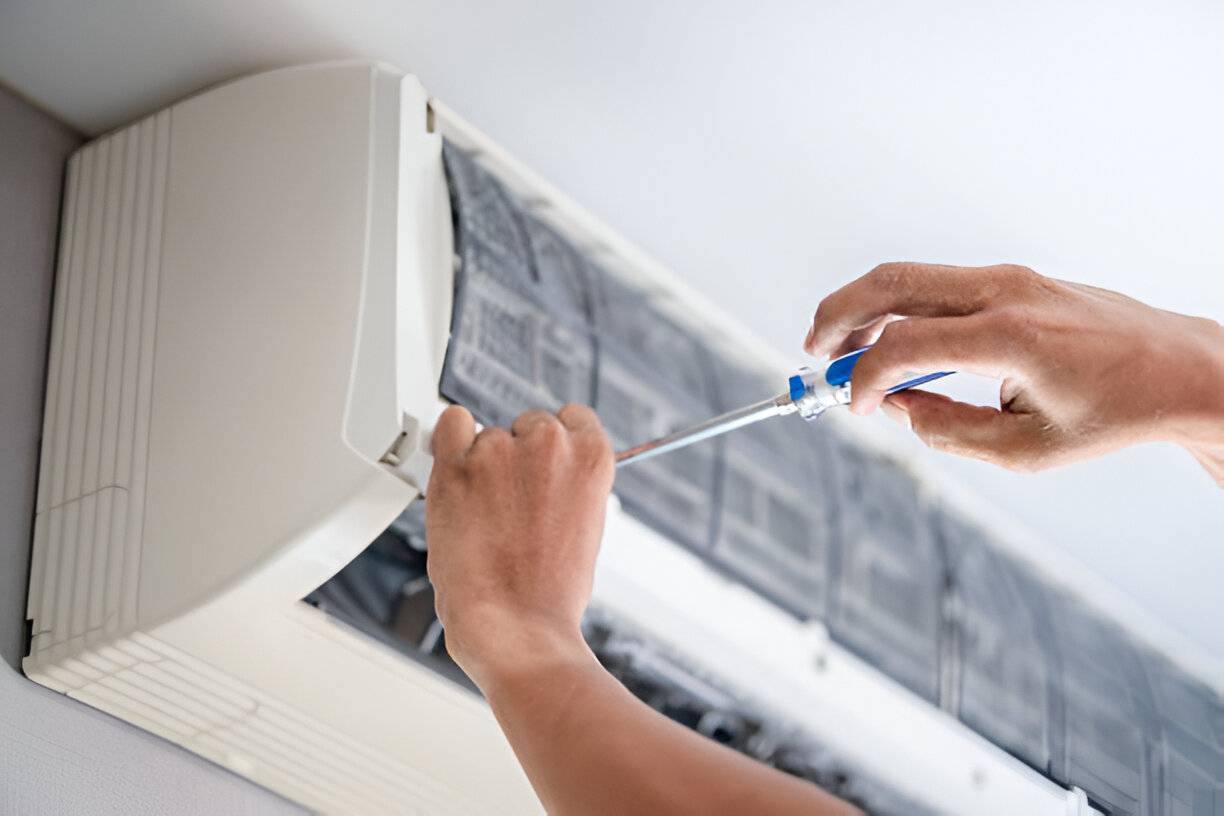
Why prompt AC repair matters in Grove City
Grove City summers can be humid and storm-prone. Small faults left unattended often escalate into costly failures, cause uncomfortable indoor humidity, or create safety risks from electrical faults. Timely AC repair can restore comfort, reduce energy bills, prevent secondary water damage from clogged drains or leaking coils, and extend the life of your system.
Common AC repair issues in Grove City, OH
Below are the most frequent problems our Grove City-area technicians diagnose and repair, with quick notes on each:
- Compressor failure
- Symptoms: Unit not cooling, loud banging or humming, frequent short cycling.
- Causes: Motor burnout, electrical problems, or inadequate refrigerant flow.
- Refrigerant leaks
- Symptoms: Weak cooling, icing on lines, hissing sounds.
- Causes: Corrosion, punctured coils, or failed fittings; older systems using R-22 may require special handling.
- Electrical issues
- Symptoms: Intermittent operation, tripped breakers, control board faults, burned wiring.
- Causes: Loose connections, capacitor or contactor failure, lightning or surge damage during storms.
- Thermostat faults and control problems
- Symptoms: Wrong temperature readings, unit not cycling as expected, inconsistent comfort.
- Causes: Miscalibration, wiring faults, or failing control modules.
- Blower motor and airflow problems
- Symptoms: Poor airflow, uneven cooling, high indoor humidity.
- Causes: Clogged filters, dirty coils, failing motors, or duct restrictions.
- Condensate drain clogs and water leaks
- Symptoms: Water around the indoor unit, condensate overflow, moldy smells.
- Causes: Biological growth, debris or improper pitch in drain lines.
- Frozen evaporator coil
- Symptoms: Ice on indoor coil, reduced cooling, high humidity.
- Causes: Low refrigerant, restricted airflow, or blower issues.
How diagnosis works — clear, step-by-step
A thorough, transparent diagnostic process helps identify the root cause quickly and avoids unnecessary repairs.
- Initial interview and symptom review
- Technician documents what you’re experiencing, recent events (storms, noises), system age and any prior repairs.
2. Visual inspection and safety checks
- Look for obvious damage, water leaks, and ensure safe access to equipment and electrical panels.
3. Electrical and control testing
- Verify voltages, capacitor condition, contactor operation, and control board readings.
4. Refrigerant and pressure testing
- Measure pressures and temperatures; perform leak detection when needed.
5. Airflow and coil inspection
- Check filters, blower operation, ductwork condition, and coil cleanliness.
6. Report and repair recommendation
- Technician explains findings in plain language, outlines repair options, parts needed, and expected timeframes.
Typical diagnostic visits take about 60 to 90 minutes for residential systems unless an extensive leak search or complex electrical troubleshooting is required.
Typical repair procedures (what to expect)
Repair procedures vary by fault but follow a consistent quality workflow:
- Safety and shutdown
- Isolate power and follow lockout procedures before work begins.
- Minor repairs done same day
- Capacitor or contactor replacements, sensor/thermostat swaps, condensate line clearing, filter and coil cleaning.
- Refrigerant leak repairs
- Locate and repair the leak, evacuate and recharge refrigerant to manufacturer specs, test for pressure stability. Note: older R-22 systems may require special refrigerant handling or conversion options.
- Compressor or major component replacement
- Remove failed component, install matched replacement, verify compatibility with the rest of the system, vacuum and recharge, and test performance.
- Electrical system repairs
- Replace damaged wiring, repair control boards, secure connections, and test circuit protection.
- Final testing and cleanup
- Run the system through a full cooling cycle, confirm temperatures, airflow, and safety device operation, then clean work area.
All repairs adhere to manufacturer guidelines and industry safety practices, including proper refrigerant recovery and disposal.
Parts and labor warranty information
Warranty terms vary by part and situation, but typical offerings include:
- Manufacturer’s warranty on replacement parts
- Warranties differ by component; compressor and major component warranties are commonly multi-year when provided by manufacturers.
- Standard labor warranty
- A typical labor warranty covers workmanship for a fixed period after repair (commonly 1 year); exact terms depend on the repair provider and can be confirmed before work begins.
- Extended protection and maintenance plans
- Regular maintenance plans can extend coverage options and often include benefits like priority response and reduced diagnostic fees. Always request written warranty details and ask which warranties apply to parts and labor before any repair work starts.
Emergency and same-day response in Grove City
Grove City homeowners often need fast solutions in extreme heat. Local technicians provide same-day response for many common failures, and 24-hour emergency service options are available through coverage plans. What to expect during an emergency call:
- Rapid triage over the phone to assess severity
- Prioritized dispatching for life-safety or major system failures during heat waves
- Temporary measures if parts are not immediately available (e.g., bypassing a failed control, condensate pump temporary fixes) while arranging permanent repairs
Availability can vary during extreme demand periods; maintenance plan members typically receive faster dispatch.
Expected turnaround times
- Diagnostic visit: 60 to 90 minutes
- Simple repairs (capacitor, contactor, thermostat, drain cleaning): same day or within hours
- Refrigerant leak repair: same day to 1-2 days depending on location of leak and parts needed
- Major component replacement (compressor, coil, fan motor): 1 to 3 days depending on part availability
- Full system replacement (if required): several days to a week, depending on permit requirements and equipment lead times
Turnaround can be longer if parts are backordered or if system age requires special refrigerant handling.
How to request a service call (what to have ready)
To streamline your service appointment, gather the following before scheduling:
- System information: make, model, and age (found on the indoor or outdoor unit nameplate)
- Description of the problem and how long it has been occurring
- Any recent events: power outage, loud noises, visible leaks, or work near the unit
- Best times for access, and whether pets need to be secured
Scheduling is typically done online, through a service request form, or via the local office. Maintenance plan members often have priority booking and 24-hour emergency access.
Preventive care and long-term benefits
Regular maintenance—coil cleaning, filter changes, refrigerant checks, and electrical inspections—reduces emergency breakdowns, improves efficiency, lowers utility bills, and extends equipment life. In Grove City’s humid climate, keeping coils clean and condensate drains clear is especially important to prevent indoor humidity problems and microbial growth.
Keeping your system serviced and addressing faults early protects comfort and home value. Effective repair, transparent diagnosis, and proper warranty coverage give peace of mind during Ohio’s challenging cooling season.
Hot Deals & Cool Savings

.webp)
New Service Agreement Membership
.webp)
Any New Client Service
Next Service for Referring a New Client
New Service Agreement Membership
Any New Client Service
Next Service for Referring a New Client
.webp)
.webp)

Service Areas
