
AC Replacement in Lewis Center, OH
Air Conditioning Replacement in Lewis Center, OH: Learn more about when to replace, high-efficiency options, rebates, and installation timelines.

Air Conditioning Replacement in Lewis Center, OH
Replacing an aging or failing air conditioner is one of the most effective ways to restore comfort, reduce utility bills, and increase home value in Lewis Center, OH. With hot, humid Ohio summers and growing demand for efficient home comfort, an informed AC replacement decision ensures you get the right size, efficiency, and features for your home’s layout and lifestyle.
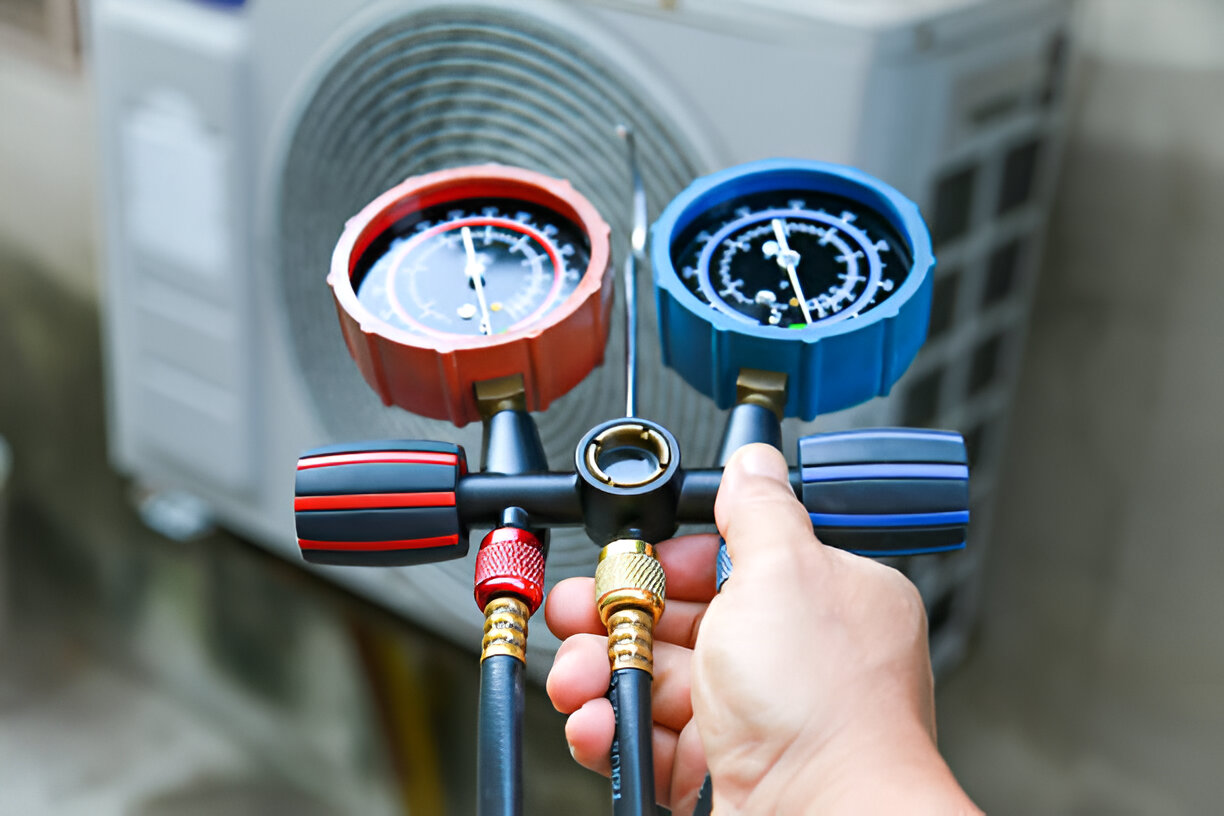
When to replace vs repair an AC system
Knowing whether to repair or replace an air conditioner depends on age, frequency of problems, repair history, and performance.
Common signs replacement is recommended
- System age greater than 12 to 15 years. Older systems are less efficient and more prone to major failures.
- Recurring breakdowns or repeated compressor, coil, or refrigerant issues within a short period.
- Use of phased-out refrigerants (for example R-22) that are costly to recharge or unavailable.
- Rising, persistent energy bills or inadequate humidity control despite repairs.
- Inconsistent cooling, significant short-cycling, or loud mechanical noise even after service.
When repair may make sense
- Single, isolated issues on a relatively new system (under 8–10 years) with a clean service history.
- Repairs that are low-cost relative to the remaining expected life of the system.
A professional evaluation helps weigh repair cost against long-term savings and reliability of a replacement.
Evaluation and system sizing for Lewis Center homes
Proper evaluation and sizing are critical—oversized or undersized equipment creates comfort, humidity, and efficiency problems.
Standard evaluation steps
- Load calculation (Manual J) to determine the required cooling capacity based on home size, insulation, window types, orientation, occupancy, and local climate factors like humidity.
- Duct inspection (Manual D) to identify leaks, restrictive runs, or improperly sized ductwork that reduce performance.
- Assessment of existing electrical service and breaker capacity for new equipment needs.
- Attic and insulation check since Lewis Center homes with inadequate attic insulation or older windows face higher cooling loads.
Why correct sizing matters in Lewis Center
- Ohio’s humid summers require units that can control moisture effectively; an accurately sized system runs at proper cycles to remove humidity without short-cycling.
- Newer, higher-efficiency units can have variable-speed compressors that adapt to load, improving comfort and reducing noise.
Types of replacement systems to consider
- Central air conditioners (traditional split systems) with higher SEER ratings.
- High-efficiency heat pumps (air-source) that provide both cooling and heating—good for moderate winter climates and improved year-round efficiency.
- Ductless mini-split systems for additions, garages, or homes with limited ductwork.
- Variable-speed and two-stage compressors for better humidity control and steady comfort.
Benefits of upgrading to high-efficiency systems
- Energy savings: Replacing an older 8–10 SEER system with a 16–20+ SEER unit commonly yields 20–40% lower cooling costs, depending on usage patterns and home characteristics.
- Improved humidity control and indoor comfort during Lewis Center’s humid months.
- Quieter operation and more consistent temperatures.
- Longer equipment life and better reliability with modern components and warranties.
- Potential for integrated smart thermostats for zone control and further efficiency gains.
Removal and disposal of old equipment
Responsible removal protects your home and the environment.
What a proper replacement includes
- Certified refrigerant recovery and disposal in accordance with federal and state regulations to prevent ozone-depleting releases.
- Safe disconnection of electrical and refrigerant lines, with proper sealing of open duct and line openings.
- Removal of the outdoor condenser, indoor coil and air handler (if replaced), and disposal or recycling of metals and plastics per local recycling rules.
- Documentation of disposal for warranty and compliance records.
Local technicians will follow Ohio and EPA rules for refrigerant handling and recycling.
Cost considerations, financing, and rebates
Costs vary by system type, efficiency rating, ductwork needs, and home complexity.
Factors that influence cost
- SEER rating and equipment brand.
- Need for duct repair, new thermostats, or electrical upgrades.
- Complexity of working space (tight attics, two-story installations, or limited outdoor access).
Financing options commonly available - HVAC-specific financing plans with monthly payments.
- Home improvement loans or energy-efficiency lending programs.
Available rebates and incentives - Federal tax credits and manufacturer incentives for qualifying high-efficiency systems (subject to current programs).
- Local utility rebates or seasonal offers that reward higher SEER equipment or heat pump installations.
- Combining rebates with financing can lower upfront cost and shorten payback time.
Verify eligibility for rebates and documentation requirements before final equipment selection.
Typical installation timeline and process
- Initial consultation and load sizing: 1 appointment, often same-day or within a week.
- Final equipment selection and permitting: 1–7 days depending on permit timelines in Delaware County.
- Installation day(s): Most standard split-system replacements take 1 to 2 days. More complex installations (duct modifications, electrical upgrades, or multiple indoor units) may require 2 to 4 days.
- Start-up, testing, and homeowner walkthrough: Final day includes performance checks, thermostat programming, and brief system orientation.
Expected energy and comfort improvements
After a professionally sized, high-efficiency replacement you can expect:
- Lower monthly cooling costs—typical reductions of 20–40% compared with older low-SEER systems, depending on household behavior and system size.
- Better humidity control and more even temperatures throughout the home.
- Quieter operation and fewer service calls during peak summer months.
- Increased home comfort during Lewis Center’s hot, humid July and August days, and smoother performance during shoulder seasons.
Long-term value and maintenance
Upgrading yields immediate comfort and financial benefits but requires routine care to maximize lifespan and efficiency. Annual maintenance, filter changes, and periodic coil and drain checks keep new systems operating at design performance. Properly maintained high-efficiency systems often deliver 15 to 20+ years of reliable service.
Replacing your air conditioning system is a decisions about comfort, efficiency, and long-term value—especially in Lewis Center where humid summers and evolving home construction patterns make correct sizing and modern equipment important. A thorough evaluation—load calculations, duct inspection, and clear financing/rebate planning—ensures the new system fits your home and budget while delivering measurable energy and comfort improvements.
Hot Deals & Cool Savings

.webp)
New Service Agreement Membership
.webp)
Any New Client Service
Next Service for Referring a New Client
New Service Agreement Membership
Any New Client Service
Next Service for Referring a New Client
.webp)
.webp)

Service Areas
