
AC Service in Lewis Center, OH
Air Conditioning Service in Lewis Center, OH offering inspections, diagnostics, repairs, and maintenance to improve comfort and energy efficiency. Learn more.

Air Conditioning Service in Lewis Center, OH
Keeping your home comfortably cool and reliably efficient matters in Lewis Center, OH. With hot, humid central Ohio summers and occasional heat waves, a well-maintained air conditioning system prevents discomfort, protects indoor air quality, and reduces costly emergency repairs.
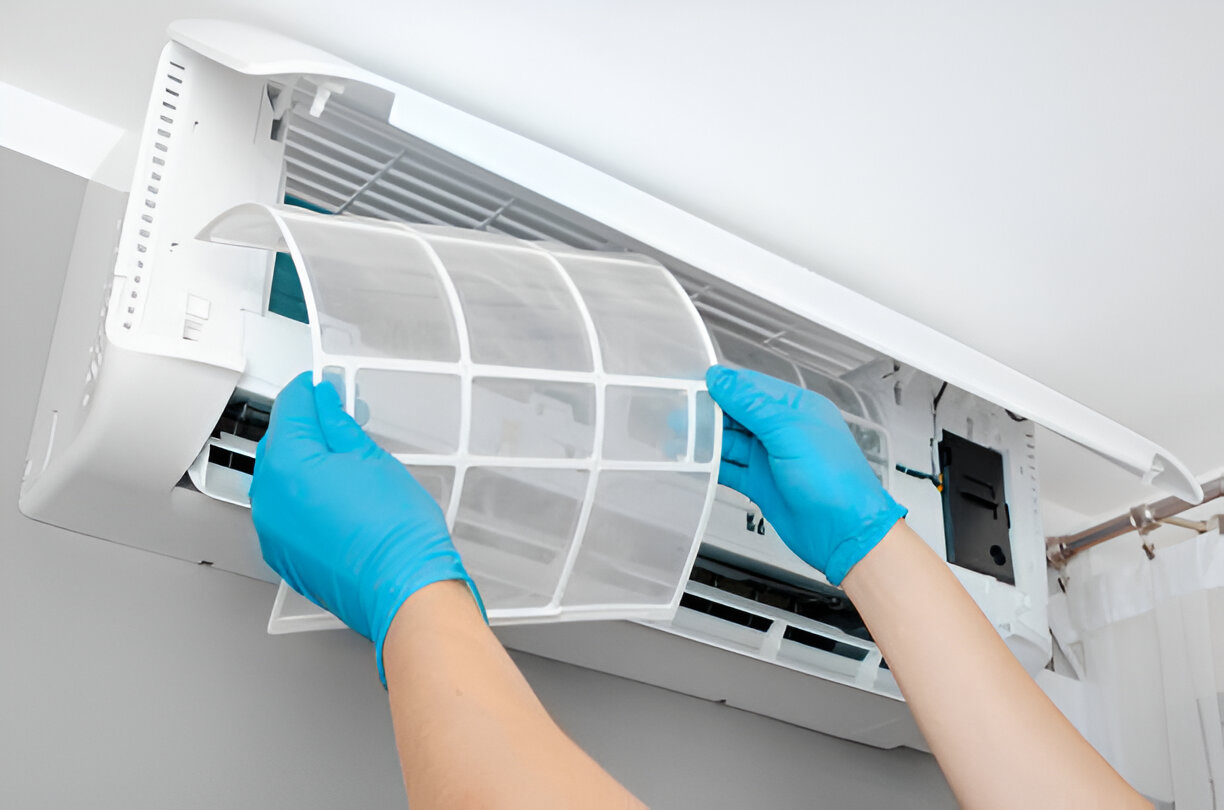
Why timely air conditioning service matters in Lewis Center
Lewis Center homes face seasonal humidity that puts extra load on AC systems and indoor air quality challenges during spring pollen season. New construction in the Olentangy school district often features high-efficiency systems, while older neighborhoods may have aging equipment or undersized ductwork. Routine service:
- Improves cooling performance during heat waves
- Prevents moisture buildup and mold risk in humid months
- Extends equipment life and preserves manufacturer warranties
- Keeps energy bills lower by maintaining system efficiency
Common air conditioning issues in Lewis Center homes
Homeowners most often call for these problems:
- Weak or uneven cooling in some rooms
- Short cycling (unit turns on and off frequently)
- Warm air blowing from vents
- High energy use or sudden spike in electric bills
- Strange noises from outdoor or indoor units
- Water leaks or overflowing condensate drains
- Frequent thermostat or control failures
- Refrigerant leaks or low refrigerant charge
Our air conditioning services
We cover the full spectrum of residential AC work, from preventative care to emergency response:
- Routine inspections and seasonal tune-ups to check refrigerant levels, electrical connections, airflow, coils, and safety controls
- Diagnostic troubleshooting for electrical, refrigerant, and airflow-related failures
- Air filter changes and recommendations for MERV levels to balance filtration and airflow
- Minor repairs such as capacitor, contactor, blower motor, fan motor, and drain line clearing
- System optimization: airflow balancing, duct sealing recommendations, thermostat calibration, and refrigerant charge adjustments
- Emergency response for system failures during peak heat periods or after storms
- Replacement recommendations when repair is no longer cost effective, including efficiency and sizing guidance
- Ductless and heat pump system service where applicable
How we diagnose AC problems
Accurate diagnosis prevents unnecessary parts replacement and restores reliable cooling faster:
- Visual and safety checks - inspect wiring, breakers, and safety switches
- Airflow assessment - measure supply and return airflow, filter condition, and blower performance
- Refrigerant and pressure testing - confirm proper charge and check for leaks using leak detection tools
- Electrical testing - test capacitors, contactors, motors, and control voltage
- Thermostat and control checks - verify setpoints, sensor function, and communication with the outdoor unit
- System-level evaluation - check evaporator and condenser coil condition, duct sealing, and insulation
Technicians combine these steps to determine whether symptoms are caused by maintenance needs, component failure, duct issues, or system sizing problems.
Typical repairs and solutions explained
- Capacitor replacement: Fails silently and causes slow start or no-start conditions for fans and compressors
- Contactor swap: Worn contacts can cause intermittent starting and overheating
- Refrigerant leak repair and recharge: Repairs are done to code with proper refrigerant handling; leaking systems must be fixed rather than repeatedly topped off
- Fan or blower motor repair: Restores proper airflow and improves heat exchange
- Condensate drain cleaning and overflow prevention: Removes blockages that cause leaks or safety shutoffs
- Compressor faults: Often a sign that repair may be uneconomic; replacement or full system replacement is evaluated based on age and efficiency
- Thermostat upgrades or recalibration: Rectifies control issues and improves setpoint accuracy
- Duct sealing and insulation recommendations: Addresses uneven cooling and efficiency loss
When repair is chosen over replacement, solutions focus on long-term reliability and preserving warranty coverage. When replacement is recommended, technicians explain sizing, SEER ratings, and matched-system benefits in plain language.
Technician qualifications and safety standards
Lewis Center homeowners should expect service from technicians who are:
- NATE or factory trained and certified
- EPA Section 608 certified for refrigerant handling
- Licensed, insured, and background screened
- Trained in safety protocols, refrigerant recovery, and up-to-date installation best practices
- Engaged in ongoing education on new equipment, controls, and efficiency standards
Technicians use calibrated tools, proper safety gear, and industry-standard diagnostic procedures to protect your home and system.
Transparent pricing and warranty information
Pricing depends on factors such as system age, part availability, labor complexity, and diagnostic time. Typical pricing elements include:
- Diagnostic fee or service inspection charge to identify the issue
- Parts and labor for repairs, quoted in writing before work begins
- Replacement estimates that include equipment, labor, and disposal
- Financing options may be available for larger replacements
Warranties typically include:
- Manufacturer warranty on parts (varies by brand and model)
- Labor warranty for service work, often for a defined period after repair or installation
- Recommendations to follow manufacturer maintenance requirements to maintain warranty validity
Written estimates should clearly state what is covered, warranty durations, and any maintenance steps required to keep warranties valid.
Emergency response and seasonal planning
Because central Ohio heat can arrive suddenly, emergency AC service capability is important. Emergency service addresses system breakdowns, compressor failures, and safety issues during heat events. Seasonal planning includes scheduling inspections before the cooling season to prevent peak-season failures, replacing filters regularly, and considering upgrades to improve dehumidification and zoned comfort for multi-level Lewis Center homes.
Maintenance tips for Lewis Center homes
- Replace standard filters every 1 to 3 months; higher MERV filters may need more frequent changes
- Schedule annual spring tune-ups to prepare for summer demand
- Keep outdoor condensers clear of leaves, grass, and debris
- Use programmable thermostats to balance comfort and efficiency during school and work hours
- Consider whole-house dehumidification in older homes prone to humidity
- Seal duct leaks and insulate ducts in attics and crawlspaces to improve efficiency
Benefits of professional AC service
Regular, professional maintenance and prompt repairs lead to:
- Better cooling comfort and more even temperatures through the home
- Lower energy bills through maintained efficiency
- Fewer emergency breakdowns during heat waves
- Longer equipment lifespan and preserved warranty coverage
- Improved indoor air quality and reduced humidity issues
Providing comprehensive air conditioning service tailored to Lewis Center weather, home types, and community needs helps homeowners stay comfortable, safe, and energy efficient all summer long.
Hot Deals & Cool Savings

.webp)
New Service Agreement Membership
.webp)
Any New Client Service
Next Service for Referring a New Client
New Service Agreement Membership
Any New Client Service
Next Service for Referring a New Client
.webp)
.webp)

Service Areas
