
Boiler Installation in Franklinton, OH
Boiler installation in Franklinton, OH: expert sizing, venting, and commissioning for reliable heat. Schedule a consult today. Learn more.

Boiler Installation in Franklinton, OH
Replacing or installing a new boiler is a major home investment that affects comfort, energy bills, and safety. For homeowners in Franklinton, OH, a properly specified and installed boiler means reliable heat through cold Ohio winters, fewer breakdowns in older houses common to the neighborhood, and better indoor comfort in both historic rowhomes and newer builds.
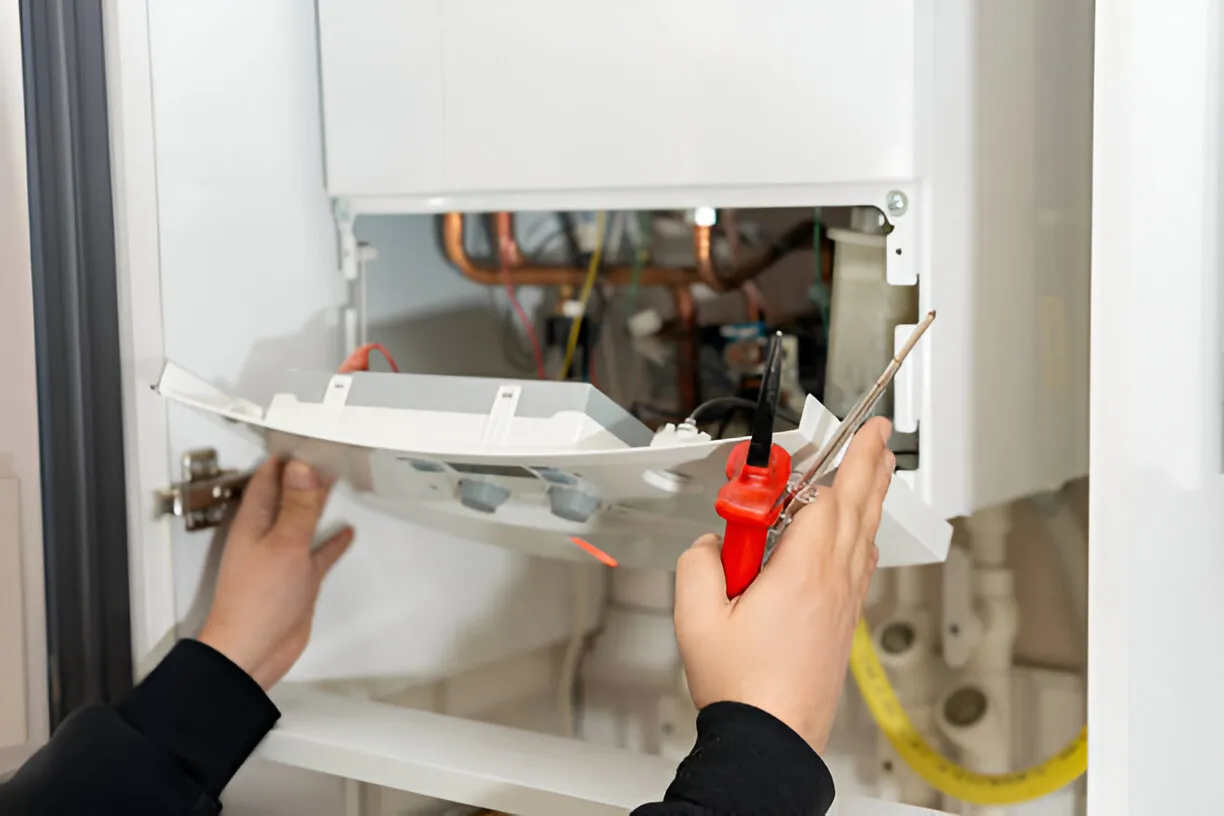
Why a professional boiler installation matters in Franklinton, OH
Franklinton experiences cold, humid winters and a mix of historic and renovated homes. That combination often requires careful attention to:
- Accurate sizing and distribution for older layouts and multiple-story homes
- Replacement of outdated steam or cast-iron systems with modern hydronic options where appropriate
- Proper venting and combustion air for tight, renovated homesChoosing the right system and having it installed correctly reduces energy waste, prevents cold spots, and avoids safety risks from improper venting or combustion.
Common boiler types and how they compare
When discussing boiler installation in Franklinton, OH, three primary system types come up:
- Condensing boilers
- Best for high efficiency and lower fuel use when sized and piped correctly
- Extracts extra heat from exhaust gases; requires condensate drain
- Good choice where long-term efficiency matters
- Combi (combination) boilers
- Provide both space heating and on-demand domestic hot water in a single unit
- Space-saving, ideal for smaller homes or apartments in Franklinton where space is limited
- May struggle with simultaneous heavy hot-water demand depending on model and household use
- Conventional (regular) boilers
- Paired with separate domestic hot water storage tanks or used with existing radiator systems
- Often chosen for compatibility with legacy hydronic systems or where high hot-water demand exists
Which system is best depends on fuel availability (natural gas, propane, oil, electric), the house’s heat distribution (radiators, baseboards, in-floor), and household hot-water habits.
Pre-install consultation and equipment selection
A professional pre-install consultation typically covers:
- Home survey: Inspecting boiler room, flue, pipe layout, radiators, and hot-water demands
- Heat load assessment: Performing a heat-loss calculation to determine correct boiler capacity rather than relying on age-based guesses
- Fuel and venting check: Confirming gas line capacity, available venting options, and combustion-air requirements for tight houses
- System recommendations: Comparing condensing, combi, and conventional options in the context of your home, budget, and performance goals
- Integration needs: Determining controls, thermostats, zoning valves, and water treatment if required
Accurate sizing (not oversizing) and selecting compatible controls are critical to achieve the expected efficiency and comfort.
Typical step-by-step installation process
A clear, professional installation minimizes disruptions and ensures code compliance. Expected steps include:
- Final planning and permitting
- Prepare permit applications and submit to the local building department (City of Columbus/Franklin County as applicable)
- Coordinate any required inspections
2. Site preparation
- Isolate the work area, secure utilities, and prepare temporary heating solutions if needed during swap-out
3. Removal of old equipment (if applicable)
- Safely disconnect and remove old boiler, flues, and obsolete controls
- Assess and salvage compatible piping or radiators where practical
4. Mechanical work and system installation
- Set and secure new boiler, install flue or direct-vent components, and run condensate and combustion air as needed
- Modify or extend supply and return piping, install safety devices, expansion tanks, and valves
- Add or upgrade controls, thermostats, zoning components, and water treatment systems
5. System fill, air purging, and balancing
- Fill the system, purge air from radiators/pipes, and balance heating zones for even temperature distribution
6. Commissioning and safety testing
- Perform combustion analysis, leak checks, pressure tests, and control functionality verification
- Verify venting, flue gases, and carbon monoxide safeguards
- Document results and ensure system meets local code and manufacturer requirements
7. Permit inspections and sign-off
- Facilitate municipal inspections and obtain final approvals required by local authorities
8. Warranty and maintenance handover
- Provide owner with manuals, warranty documentation, and a recommended maintenance schedule
Permits, code compliance, and safety
Local code compliance is a core part of responsible boiler installation in Franklinton, OH. Installations must meet building and plumbing codes, fuel-gas codes, and manufacturer clearances. Typical administrative steps include permit applications, scheduled inspections, and documentation of combustion testing. Proper venting, carbon monoxide detection, and labeled shutoffs are standard safety requirements that installers should verify during commissioning.
Expected timelines for a typical residential install
While each project varies, typical timelines for a straight-forward replacement in Franklinton are:
- Pre-install consultation and heat-load assessment: 1 to 7 days
- Permit processing: varies by scope and season; commonly 1 to 3 weeks
- Installation work (equipment swap and mechanical): 1 to 3 days for most residential systems
- Commissioning and final inspection: same day as installation or within a few days after
Complex retrofits, additions, or multi-zone conversions can extend timelines.
Warranty, maintenance, and long-term performance
New boilers come with manufacturer warranties for the heat exchanger and components; installers often provide workmanship guarantees. A structured maintenance plan preserves efficiency and reliability:
- Annual inspection and tune-up (combustion check, controls test, cleaning)
- Regular system flushing and water treatment where hard water or corrosion risk exists
- Prompt attention to unusual noises, uneven heat, or pressure swings
Proactive maintenance extends service life and helps sustain lower energy use.
Common issues homeowners face and how proper installation prevents them
- Oversized boilers causing short cycling — solved by accurate heat-load calculations and-moderate sizing
- Improper venting and backdrafting — prevented with correct flue design and combustion-air provisions
- Inadequate controls leading to uneven heat — addressed through zoning and modern thermostatic controls
- Compatibility issues in older Franklinton homes (steam vs. hydronic) — resolved by evaluating distribution systems and recommending appropriate conversion or hybrid solutions
Proper planning and a methodical installation reduce these risks and help homeowners achieve dependable, efficient heating.
Final considerations for Franklinton homeowners
Choosing the right boiler and installation approach for a Franklinton home means accounting for cold winters, mixed housing stock, and potential constraints in older buildings. Prioritize accurate sizing, code-compliant venting, and a clear maintenance plan to maximize comfort and reliability. A thorough pre-install assessment and professional commissioning are the best ways to ensure the new system performs as expected for years to come.
Hot Deals & Cool Savings

.webp)
New Service Agreement Membership
.webp)
Any New Client Service
Next Service for Referring a New Client
New Service Agreement Membership
Any New Client Service
Next Service for Referring a New Client
.webp)
.webp)

Service Areas
