
Boiler Repair in Franklinton, OH
Boiler Repair in Franklinton, OH offering emergency and scheduled service with fast response, transparent estimates, and safety checks. Learn more.

Boiler Repair in Franklinton, OH
When your boiler acts up in Franklinton, OH, the stakes are high. Winters in Central Ohio are cold and sustained, and older homes in the Franklinton neighborhood often rely on aging boiler systems. That combination makes fast, reliable boiler repair essential to keep your home warm, safe, and energy efficient.
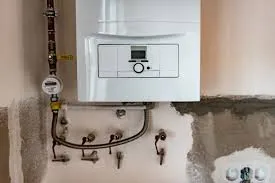
Emergency vs Scheduled Boiler Repair and Expected Response Times
- Emergency repair: Affects safety or loss of heat during freezing conditions — leaking gas, carbon monoxide detection, a complete loss of heat in subfreezing weather, or active water leaks damaging structure. Emergency responses are prioritized to reduce risk and minimize property damage.
- Scheduled repair: Non-critical issues such as intermittent short cycling, noisy pumps, minor leaks, or planned component replacements are handled on scheduled visits that allow for thorough diagnostics and parts ordering.
Typical response expectations in Franklinton:
- Emergency calls are generally handled same day and typically within a few hours depending on time of day and weather.
- Scheduled service appointments are usually available within 24 to 72 hours, with priority windows before and during peak cold snaps.
Common Boiler Symptoms and Fault Diagnosis
Recognizing symptoms early reduces repair scope and cost. Common symptoms in Franklinton homes include:
- No heat or hot water
- Short cycling or frequent on-off operation
- Unusual noises: banging, clanking, or gurgling
- Visible leaks or low system pressure
- Yellow or sooty flame instead of steady blue flame
- High energy bills or poor system responsiveness
- Frequent pilot outages or ignition failures
Diagnostic procedure overview:
- Visual inspection for leaks, corrosion, soot, or physical damage
- System pressure and expansion tank checks
- Thermostat and control board verification
- Burner and ignition system evaluation
- Combustion analysis to confirm correct air-fuel ratios and detect carbon monoxide risk
- Pump, valve, and zone-control testing for flow and responsiveness
- Flue and venting inspection for blockages, backdrafting, or deterioration
- Heat exchanger assessment for cracks, corrosion, or failure signs
Diagnostics focus on isolating the root cause so repairs target the failing component rather than treating symptoms.
Typical Repairs: Burners, Controls, Pumps, Valves, Heat Exchangers
Common repair types you can expect:
- Burners and ignition systems: Clean, recalibrate, or replace burners and ignition modules to restore reliable combustion.
- Controls and circuit boards: Replace or reprogram control modules, thermostats, and safety interlocks that are misbehaving or obsolete.
- Circulator pumps and motors: Repair or replace failing pumps that cause poor circulation, noise, or overheating.
- Valves and zone controls: Repair or replace leaking or stuck mixing valves, zone valves, and pressure relief valves.
- Heat exchangers: Repair is limited; cracked or corroded heat exchangers generally require replacement due to safety and efficiency concerns.
- Fuel supply components: Inspect and repair gas valves, fittings, and oil burner components where applicable.
Repair vs replace decisions are based on system age, cost-effectiveness, and safety. Technicians will present the diagnostic findings and recommended approach to restore safe, efficient operation.
Transparent Estimates and Parts/Labor Warranties
Accurate, itemized estimates make it easier to decide on repairs:
- Estimates typically list labor hours, parts to be installed, and any recommended ancillary work.
- Cost-influencing factors include system make and model, accessibility, part availability, and whether replacement or repair is the safest long-term solution.
- Written estimates clarify what work is included and any assumptions used during diagnosis.
Warranties:
- Parts and labor warranties are standard practice. Warranty lengths and coverage depend on manufacturer terms and the type of repair performed.
- A written warranty should specify parts covered, labor coverage window, and any conditions such as required maintenance to keep the warranty valid.
Safety Checks Performed After Repair
Every repair should conclude with a thorough safety and performance verification:
- Combustion efficiency check and adjustment to ensure a clean, stable flame
- Carbon monoxide testing at the boiler and nearby living spaces
- Pressure and leak testing of the hydronic system
- Venting and flue integrity verification to prevent backdrafting
- Operation check for zone controls, thermostats, and safety interlocks
- Temperature and pressure relief valve inspection and test
- Final documentation of work performed and any follow-up recommendations
Safety checks are especially critical in Franklinton where colder temperatures increase runtime and any combustion issues are more likely to surface.
Preventative Maintenance Tips to Reduce Breakdowns
Routine care extends equipment life and avoids emergency repairs:
- Schedule an annual tune-up before winter: combustion tune, filter and burner cleaning, and control testing
- Monitor system pressure and bleed radiators or zones to maintain proper circulation
- Keep area around the boiler clear and dry to avoid corrosion and allow airflow
- Test CO detectors monthly and replace batteries regularly
- Consider water quality treatment or periodic system flushing to reduce corrosion and scale in older Franklinton plumbing systems
- Insulate exposed hot water pipes and outdoor pipes to reduce freeze risk and heat loss
- Upgrade outdated controls and thermostats for better zoning and energy efficiency
Preventative maintenance reduces downtime, improves comfort during cold stretches, and often lowers operating costs.
Final Notes on Repair in Franklinton, OH
Boiler issues in Franklinton require a combination of prompt response, accurate diagnostics, and clear repair options tailored to the neighborhood’s housing stock and climate demands. Prioritizing safety checks, receiving transparent written estimates, and maintaining consistent preventative service are the best ways to avoid emergency breakdowns and keep heating systems operating reliably through Central Ohio winters.
Hot Deals & Cool Savings

.webp)
New Service Agreement Membership
.webp)
Any New Client Service
Next Service for Referring a New Client
New Service Agreement Membership
Any New Client Service
Next Service for Referring a New Client
.webp)
.webp)

Service Areas
