
Boiler Service in Franklinton, OH
Boiler service in Franklinton, OH provides inspections, maintenance, diagnostics, and emergency support to keep systems safe and efficient. Schedule your visit today.

Boiler Service in Franklinton, OH
Keeping your boiler running reliably is essential for homes and businesses in Franklinton, OH. With cold Midwestern winters, periodic flooding risk along the Scioto River floodplain, and a mix of older residential buildings and renovated commercial properties, tailored boiler service in Franklinton helps prevent breakdowns, improve efficiency, and ensure safety.
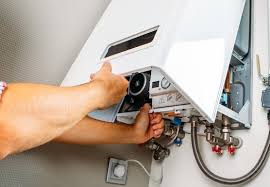
Why boiler service matters in Franklinton, OH
Franklinton experiences sustained low temperatures in winter, which increases demand on heating systems and accelerates wear. Many structures in the neighborhood are older or have been retrofitted, so boilers may have outdated controls, corroded components, or inefficient combustion settings. Additionally, occasional basement flooding can expose boilers to moisture-related damage or electrical hazards. Regular, local-focused boiler service reduces the risk of unexpected failures during cold snaps and helps maintain safe operation in flood-prone settings.
Common boiler issues in Franklinton
- Sediment buildup and scale inside heating loops, reducing heat transfer and efficiency
- Pilot, ignition, or control failures that prevent reliable startup in cold weather
- Leaks from valves, pressure vessels, or piping due to corrosion or freeze-thaw damage
- Incompatible or obsolete controls and thermostats in renovated properties
- Combustion inefficiency or carbon monoxide risk from poor venting or draft problems
- Circulator pump failures, blocked condensate drains, or expansion tank faults
- Flood-related electrical faults or corroded components in low-lying basements
Types of boiler services offered
- Comprehensive inspections: Visual and operational checks of combustion, controls, safety devices, venting, pressure, and temperature performance.
- Preventative maintenance: Annual or seasonal tune-ups including cleaning heat exchangers, flushing low-point drains, checking fuel supply, lubricating moving parts, and verifying safety interlocks.
- Diagnostic repairs: Troubleshooting electrical, mechanical, and control-system faults with on-site testing and component replacement as needed.
- Retrofits and efficiency upgrades: Installing modern controls, high-efficiency burners, variable-speed pumps, or indirect hot water systems to reduce fuel use and improve comfort.
- Safety testing and certification: Combustion analysis, carbon monoxide checks, pressure vessel inspections, and documentation for code compliance.
- Emergency response: Rapid assessment and temporary measures to restore heat or isolate hazards during winter outages or post-flood conditions.
Residential vs commercial service — what differs
Residential systems in Franklinton homes typically prioritize reliability and occupant comfort. Service focuses on maintaining consistent heat delivery, preventing freeze-related damage, and ensuring safe venting. Technicians pay particular attention to compact systems, indirect water heaters, and basement installations where flood exposure is possible.
Commercial systems demand broader system-level diagnostics, scheduled compliance documentation, and attention to redundancy. For small businesses, multi-zone controls, boiler room ventilation, and safety interlocks are critical. For historic or renovated commercial buildings in Franklinton, retrofits often balance preserving building character with improving system performance.
How a typical service visit proceeds
- Pre-visit checklist: Confirming system type, age, prior issues, and accessibility to the boiler room or basement. Customers are advised to clear access and point out areas previously affected by moisture or drafts.
- Initial inspection: Technician performs a visual survey for leaks, corrosion, soot, and venting issues; checks gauges, pressure, and thermostat settings.
- Operational testing: Ignition sequences, burner flame quality, pump operation, and safety cutouts are tested while the system runs through typical cycles.
- Combustion and safety checks: Combustion efficiency and CO levels are measured (where applicable) and documented. Electrical connections, wiring insulation, and controls are reviewed.
- Maintenance tasks: Cleaning heat exchangers, flushing low points, replacing filters, lubricating pumps, and adjusting combustion settings. Minor parts like gaskets, thermostats, or valves may be replaced on the spot if carried.
- Findings and recommendations: Clear explanation of any defects, parts required for repair, retrofit options to improve efficiency, and realistic timelines for fixes. Paperwork or service reports summarize work performed and safety test results.
Repairs, retrofits, and parts commonly used
Repairs often involve thermostats, aquastats, circulator pumps, pressure-reducing valves, relief valves, and control modules. For aging boilers common in Franklinton’s older housing stock, retrofits may include installing modern modulating burners, electronic ignition systems, outdoor reset controls, or adding condensate recovery for higher efficiency. When addressing flood exposure, technicians prioritize replacing or isolating water-damaged electrical components and ensuring proper elevation or protection for replacement equipment.
Certifications, standards, and safety practices
Technicians typically work to recognized industry standards and follow local building and plumbing codes. Common credentials and standards that guide safe boiler servicing include installer and technician certifications, pressure vessel codes, and combustion safety protocols. Work includes verifying safety controls, pressure relief devices, proper venting and combustion air, and documenting test results. In flood-affected properties, electrical and appliance safety checks are emphasized before returning a system to service.
Emergency response and winter readiness
In Franklinton, timely emergency response is crucial during prolonged cold periods. Emergency service focuses on restoring heat safely: establishing temporary heat sources, isolating leaks, bypassing failed controls with safety measures, or installing temporary pumps. For winter readiness, routine pre-winter inspection, bleeding radiators, ensuring adequate insulation on exposed pipes, and verifying backup controls reduce the likelihood of mid-winter failures.
What to expect during a technician visit
- A brief interview about recent performance, noises, or past water exposure.
- Inspection of the boiler, piping, vents, and surrounding area for hazards like water damage or poor airflow.
- System operation checks under load to verify heating cycles and safety cutoffs.
- Clear documentation of findings, safety test results, and recommended next steps or necessary parts.
- Advice on practical steps to protect the system in Franklinton’s climate, such as insulating exposed piping or elevating electrical components in flood-prone basements.
Booking and preparation steps (what to do before service)
- Identify your boiler model, age, and any recent service history to share when scheduling.
- Note any prior flooding, persistent leaks, unusual smells, or pilot/ignition problems.
- Ensure safe, clear access to the boiler room, including removing stored items and unlocking doors if needed.
- Prepare a list of concerns and the times when heating issues are most noticeable to help the technician replicate problems.
Long-term benefits of regular boiler service in Franklinton
Regular service reduces the risk of winter failures, extends equipment life, improves fuel efficiency, and maintains a safe indoor environment. For Franklinton properties, proactive maintenance also mitigates flood-related risks, helps comply with local codes during renovations, and can provide predictable budgeting by addressing small issues before they become costly repairs. Well-maintained boilers deliver more consistent comfort, fewer emergency calls, and better overall value from your heating system.
Hot Deals & Cool Savings

.webp)
New Service Agreement Membership
.webp)
Any New Client Service
Next Service for Referring a New Client
New Service Agreement Membership
Any New Client Service
Next Service for Referring a New Client
.webp)
.webp)

Service Areas
