
Boiler Installation in German Village, OH
Boiler installation in German Village, OH delivers precise sizing and expert installation for reliable heat, energy savings, and thorough aftercare.

Boiler Installation in German Village, OH
Replacing or installing a boiler is one of the most important investments you can make in an older home in German Village, OH. With Columbus winters, brick construction, and many historic basements, choosing the right boiler and having it installed correctly affects comfort, energy bills, and long-term reliability.
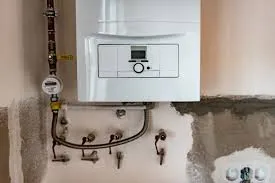
Why a proper boiler installation matters in German Village
German Village houses often have compact basements, original radiators, and masonry exteriors that influence venting and piping options. Winters in central Ohio demand a reliably sized heating system: undersized boilers struggle on cold nights, while oversized units cycle inefficiently. A professionally planned installation balances energy efficiency, code compliance, and respect for historic constraints to deliver consistent heat and lower operating costs.
Common boiler types and fuel considerations
- Natural gas boilers: Most common in Columbus-area homes. High efficiency condensing models offer significant fuel savings but require proper condensate drainage and stainless-steel venting.
- Propane boilers: Used where natural gas is not available. Similar efficiency benefits to gas but require propane supply and tank considerations.
- Oil-fired boilers: Less common but still found in some older properties. Require regular maintenance and soot management.
- Electric boilers: Useful for smaller homes or where fossil fuels are not desirable; lower installation complexity but higher operating costs.
- Condensing vs non-condensing: Condensing boilers capture additional heat from flue gases and are more efficient in low-temperature systems typical of radiator setups.
Fuel choice in German Village often depends on existing infrastructure, basement space, and local utility availability. Gas conversions require proper gas line sizing and pressure checks; propane or oil installations may need external tanks or fuel delivery planning.
Common boiler installation issues in German Village
- Tight or shallow basement spaces limiting boiler placement and clearances
- Historic exterior walls and window/vent restrictions requiring careful vent termination planning
- Existing radiator systems with aged piping that may need partial replacement or flushing
- Inadequate combustion air or venting for high-efficiency units
- Outdated controls or single-zone systems that reduce comfort and efficiency
Site assessment and system selection
A professional installation begins with a thorough site assessment:
- Inspect boiler room or basement layout, available clearances, and access for removal and delivery.
- Review existing distribution system (radiators, baseboards, underfloor piping), piping condition, and insulation.
- Verify fuel supply: gas meter capacity, propane tank location, or oil storage.
- Evaluate venting options for condensing or conventional boilers and combustion air availability.
- Perform a heating load calculation (heat loss) to determine correct boiler sizing — not just replacing "like for like." Proper sizing prevents short cycling and improves lifespan.
System selection balances equipment efficiency (AFUE), compatibility with existing radiators, and physical constraints. In many German Village homes, a high-efficiency condensing boiler paired with a properly sized circulator and an expansion tank provides the best mix of comfort and economy.
Professional installation steps
- Pre-install preparation: obtain necessary parts, schedule permits, and plan logistics for equipment access in narrow streets or tight basements common in German Village.
- Removal and disposal: safely disconnect and remove the old boiler and related components, including safe handling of fuel lines.
- Mechanical and fuel connections: install boiler, combustion air, venting/flue system, gas or fuel hookups, and pressure-tested piping.
- Hydronic integration: connect to existing radiators or radiant loops, install circulator pump(s), expansion tank, air separators, and zone valves if applicable.
- Controls and safety devices: install modern thermostat interfaces, outdoor reset controls, pressure relief valves, and CO detection where appropriate.
- Insulation and piping work: insulate new piping and ensure proper slope and condensate drainage for condensing units.
Testing, commissioning, permits, and code compliance
- Permits: Boiler installations in German Village require City of Columbus building and mechanical permits and inspections. Fuel-line work often needs separate gas permits. Historic district guidelines can affect exterior vent placement, so plan for any required approvals or concealment methods to meet local standards.
- Code compliance: Installations must meet local plumbing/mechanical codes and manufacturer installation instructions. Proper venting, combustion air, and clearances are mandatory.
- Testing and commissioning: After installation, technicians perform pressure tests, combustion analysis (for fuel-fired units), thermostat calibration, leak checks, and system balancing. Commissioning ensures the boiler operates at expected efficiency and provides documentation of test results and operating parameters.
Project timeline and cost breakdown (what to expect)
- Typical timeline: For a straight replacement in a single-family German Village home, plan on 1 to 3 days for removal, installation, and commissioning. Complex jobs (fuel conversions, piping upgrades, or historic approvals) can extend to several days or a week.
- Cost components:
- Equipment: boiler, circulator pump(s), expansion tank, controls
- Labor: removal, piping, venting, and commissioning labor
- Materials: piping, valves, insulation, venting materials, electrical wiring
- Permits and inspections
- Disposal of old equipment
- Optional upgrades: zoning, indirect water heater, system flushing, water treatment
- Note: Costs vary by system size, fuel type, and complexity of retrofitting in older homes. Proper load calculation and system design reduce lifecycle costs.
Warranty, aftercare, and maintenance
- Warranties: New boilers include manufacturer warranties on the heat exchanger and components. Confirm the length of parts and limited labor warranty if offered.
- Recommended aftercare:
- Annual inspection and tune-up to preserve efficiency and detect corrosion or leaks.
- Periodic system flushing to remove sediment and protect circulators.
- CO detector installation and testing, especially in older homes.
- Water treatment for closed-loop hydronic systems to prevent corrosion and scale.
- Consider a maintenance agreement that includes seasonal checkups and priority service.Timely maintenance extends equipment life, maintains efficiency, and prevents emergency repairs.
Final considerations for German Village homeowners
Installing a boiler in German Village requires balancing modern efficiency with historic home constraints. A careful site assessment, accurate sizing, attention to venting and code compliance, and planned aftercare ensure a comfortable, efficient heating system that respects the architectural character of the neighborhood. Proper installation and regular maintenance minimize future headaches and keep your home warm and safe through Ohio winters.
Hot Deals & Cool Savings

.webp)
New Service Agreement Membership
.webp)
Any New Client Service
Next Service for Referring a New Client
New Service Agreement Membership
Any New Client Service
Next Service for Referring a New Client
.webp)
.webp)

Service Areas
