
Boiler Repair in German Village, OH
Boiler Repair German Village OH: thorough diagnostics, safe repairs, and reliable heat. Learn more about our emergency and maintenance services.

Boiler Repair in German Village, OH
Keeping your boiler functioning reliably is essential for comfort and safety in German Village, OH. Many homes in this historic Columbus neighborhood rely on older hydronic and steam boiler systems that require timely attention to avoid cold rooms, high energy bills, or unsafe combustion problems.
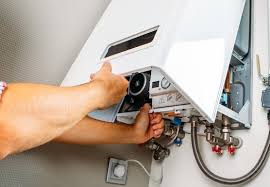
Why timely boiler repair matters in German Village, OH
German Village experiences cold winters and temperature swings that put extra stress on heating systems. Older masonry homes with original radiators, mixed pipe runs, or constrained utility access are more likely to show wear from years of operation. Left unaddressed, small issues like a failing pump or a sticking valve can lead to uneven heat, water damage from leaks, or combustion hazards. Prompt, proper boiler repair preserves comfort, maintains energy efficiency, and protects historic building fabric.
Common boiler problems in German Village homes
Common boiler repair issues in German Village, OH reflect the age of housing stock and seasonal demands. Typical problems include:
- Faulty burners or ignition failures - Boilers that fail to light or cycle repeatedly due to worn electrodes, dirty burners, or control faults.
- Malfunctioning controls and thermostats - Aging control boards, defective aquastats, or incompatible thermostats causing short cycling or no heat.
- Circulator pump failure - Pumps that seize or lose pressure resulting in cold radiators or slow heat recovery.
- Leaking or corroded valves and piping - Scale, corrosion, and gasket wear causing slow leaks or loss of system pressure.
- Pressure and expansion tank issues - Overpressure, low-pressure conditions, or waterlogging that affect system balance.
- Sediment and scale buildup - Mineral deposits reducing heat transfer, causing noisy operation and reduced efficiency.
- Venting and flue problems - Blocked chimneys or damaged flue components leading to poor combustion or draft issues.
- Combustion or carbon monoxide concerns - Incomplete combustion, soot, or CO risk due to burner or venting defects.
Diagnostic testing: what a thorough inspection includes
A professional boiler diagnosis confirms root causes before any repair, minimizing repeat visits. Typical diagnostic steps include:
- System history and symptom review - Understanding when problems started and how the system behaves under load.
- Visual inspection - Checking for leaks, corrosion, soot, damaged pipes, and proper clearances in confined German Village basements.
- Pressure and temperature checks - Verifying system pressure, boiler water temperature, and expansion tank condition.
- Combustion analysis - Measuring flame quality, oxygen levels, and carbon monoxide at the appliance and nearby living spaces.
- Electrical and control testing - Verifying control boards, relays, thermostats, and wiring for faults.
- Circulator and valve testing - Observing pump operation, flow, and zone isolation.
- Fuel delivery verification - Inspecting gas lines, oil supply components, and fuel pressure where applicable.
These diagnostics help technicians prioritize safety checks first, then identify the most cost-effective repair path.
Typical repair procedures and parts commonly replaced
Repair actions vary with the fault; common procedures include:
- Burner cleaning and tuning - Removing soot and adjusting burner settings to restore efficient combustion.
- Igniter or electrode replacement - Installing new ignition components to fix unreliable startups.
- Control board and thermostat replacement - Upgrading faulty controls for stable cycling and improved compatibility.
- Pump rebuilds or replacement - Repairing or replacing circulator pumps to restore flow.
- Valve and fitting replacement - Swapping out leaking isolation valves, zone valves, or pressure relief valves.
- Pipe or gasket repair - Addressing minor leaks with new seals or sections of pipe where corrosion is advanced.
- Flue and vent repair - Clearing obstructions, sealing joints, or repairing damaged flue liners to ensure safe venting.
- Flush and descaling - Performing a power flush or chemical treatment to remove sediment and improve heat transfer.
Repairs are performed with an emphasis on durable parts and correct sizing for the existing system, especially important in older German Village homes where modern components must match legacy piping and radiators.
Emergency repair response and expected timelines
Emergency boiler repairs focus on restoring safe heat quickly while isolating hazards. In urgent situations technicians prioritize:
- Securing the appliance if combustion or leak risks are present
- Providing temporary heat solutions or isolating damaged zones
- Performing critical repairs such as replacing failed pumps, fixing major leaks, or correcting dangerous venting
Typical timelines:
- Same-day or next-day diagnostics for emergency calls when safety or loss of heat is involved
- Minor repairs (igniter, valve, thermostat) often completed within a few hours once parts are available
- More complex jobs (pump replacement, control board, venting repairs) may require a day of work or scheduled follow-up depending on access and parts
- System flushes or multi-component overhauls can take a full day or more, sometimes requiring multiple visits
Technicians working in German Village also account for limited parking and narrow streets when planning service windows and equipment staging.
Warranty, parts information, and safety checks
Reliable repairs use warranted parts and provide clarity on coverage. Important points homeowners should expect:
- Replacement parts typically come with manufacturer warranties; ask for documentation listing coverage and duration
- Labor warranties vary; reputable service providers commonly guarantee repair work for a defined period
- Safety and combustion checks should be performed after any burner, venting, or fuel-related repair
- Carbon monoxide and flue gas measurements must be recorded and explained to ensure safe operation
- Records of pressure tests, safety valve function, and control calibration should be provided for your files
In historic areas like German Village, verifying that venting repairs meet local code and preservation guidelines is important for both safety and property compliance.
Preventive tips to avoid future breakdowns
Routine maintenance reduces the chance of emergency repairs and extends boiler life. Practical preventive steps for German Village homes include:
- Annual inspection and tune-up before the heating season to catch wear and combustion issues early
- Bleeding radiators and checking zone valves each fall to ensure even heat distribution
- Monitoring system pressure monthly and addressing persistent drops quickly
- Flushing the system every few years when sediment is suspected, especially in older boilers
- Installing or testing carbon monoxide detectors near sleeping areas and boiler rooms
- Upgrading aging controls or thermostats for improved efficiency and fewer false calls
- Keeping boiler room access clear and ensuring adequate venting and chimney inspection for flue integrity
Hot Deals & Cool Savings

.webp)
New Service Agreement Membership
.webp)
Any New Client Service
Next Service for Referring a New Client
New Service Agreement Membership
Any New Client Service
Next Service for Referring a New Client
.webp)
.webp)

Service Areas
