
Boiler Service in German Village, OH
Boiler service in German Village, OH: diagnostics, repairs, tune-ups, and safety checks with code-compliant installations. Schedule service today.

oiler Service in German Village, OH
Keeping your boiler safe, efficient, and reliable is essential in German Village homes, where historic construction and cold Ohio winters create unique heating challenges. Whether you own a late 19th century row house with a cast-iron steam system or a newer hydronic boiler in an updated basement, professional boiler service ensures comfort, safety, and compliance with local requirements.
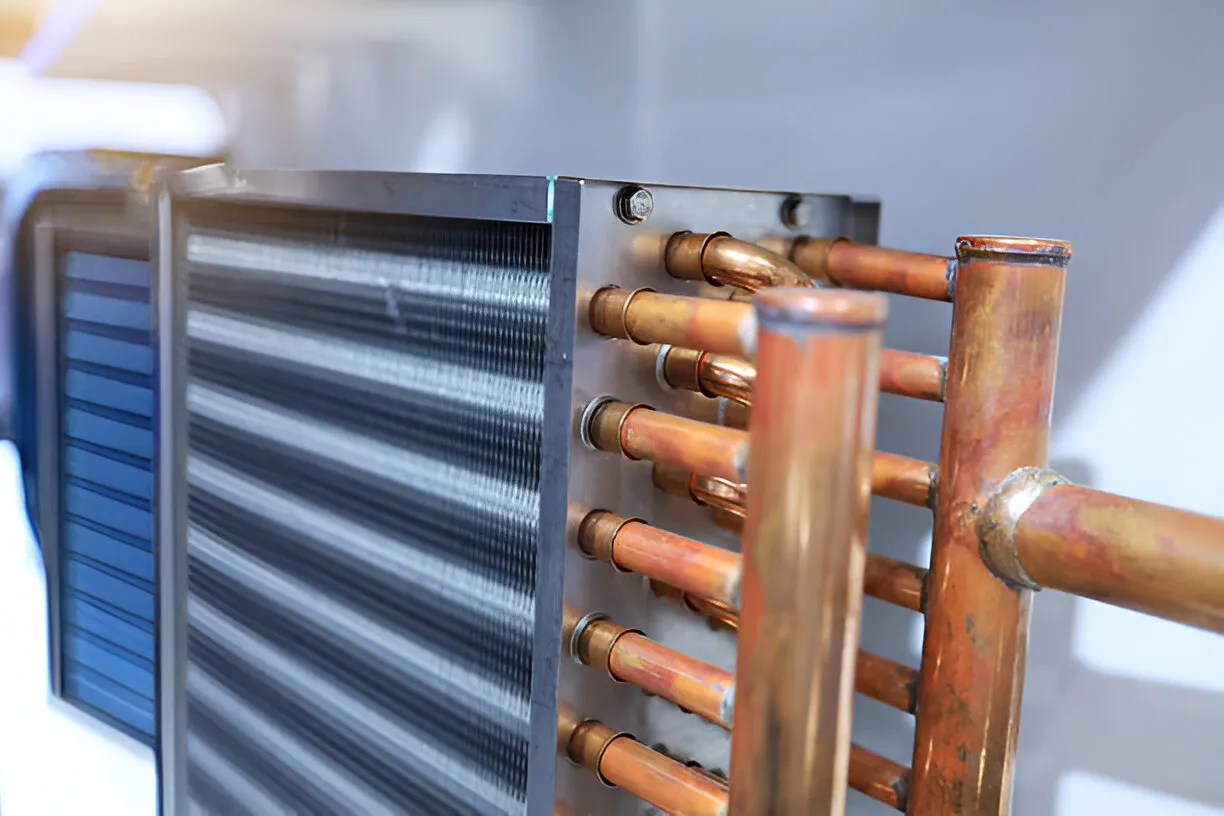
Why timely boiler service matters in German Village, OH
German Village experiences long, cold winters and periodic freeze-thaw cycles that increase demand on heating systems and raise the risk of leaks, corrosion, and component failures. Many homes are historic and have confined mechanical spaces, older venting and chimney arrangements, and original radiators or piping that require careful attention. Regular boiler service in German Village helps prevent mid-winter breakdowns, reduces heating costs, protects delicate historic fabric, and ensures systems meet Columbus area safety and permit standards.
Common boiler issues in German Village homes
- Aging components and corrosion in cast-iron boilers or older steel systems
- Inefficient combustion, soot buildup, and poor heat transfer
- Leaks from valves, pumps, or boiler tanks that can damage basements in tightly packed row houses
- Faulty ignition systems or intermittent pilot problems on older units
- Circulator pump failures or air locks leading to cold radiators
- Thermostat or control malfunctions creating uneven heating
- Venting and chimney problems, especially in homes with masonry chimneys or modified flues
- Carbon monoxide risks from incomplete combustion or blocked flues
Types of boiler services offered
- Diagnostics and inspections: Comprehensive visual and instrument-based evaluation including combustion analysis, pressure and temperature checks, leak detection, and safety device testing.
- Repairs: On-site repair of burners, ignition systems, circulator pumps, valves, thermostats, and control boards.
- Parts replacement: Replacement of worn or failed components such as expansion tanks, pressure relief valves, heat exchangers, and zone valves with compatible, code-compliant parts.
- Tune-ups and seasonal maintenance: Cleaning burners and heat exchangers, adjusting combustion, flushing low spots, lubricating moving parts, and calibrating controls to improve efficiency.
- Preventive maintenance plans: Scheduled maintenance agreements that include regular inspections, priority scheduling, and documented service records for insurance and resale.
- Installations and system upgrades: Full replacement or installation of condensing and non-condensing boilers, conversion between steam and hydronic where feasible, and upgrades to modern controls and high-efficiency units appropriate for historic homes.
- Emergency response: Fast-response service for heating failures, leaks, or safety concerns to minimize property risk and restore heat quickly.
- Safety inspections and code compliance: Carbon monoxide testing, vent and chimney inspections, pressure relief verification, and preparation or documentation for local permit processes.
How diagnostics and service are performed
- Initial assessment: Technician performs a visual inspection and interview to learn symptoms (noise, leaks, uneven heat). In German Village, attention is paid to basement access, nearby masonry chimneys, and any previous modifications.
- Instrument checks: Combustion analyzer, pressure gauges, temperature readings, and electrical tests are used to identify inefficiencies and safety hazards.
- Targeted inspection: Tight utility spaces may require careful access to burners, heat exchangers, pumps, and valves. Technicians look for corrosion, scale, soot, and failed seals.
- Diagnosis report: Findings are explained in clear terms, including the cause of failure, recommended repairs or replacements, and the expected outcome for safety and efficiency.
- Repair or service: Repairs are made with code-compliant parts and methods. For historic homes, special care is taken to minimize disruption and preserve building elements.
- Post-service verification: System is tested for proper combustion, pressure stability, control operation, and absence of leaks. Safety devices and carbon monoxide levels are verified.
Common repairs and what they involve
- Ignition and control repairs: Replacing faulty ignitors, flame sensors, or control boards to restore reliable startup.
- Pump and valve service: Rebuilding or replacing circulator pumps, zone valves, and check valves to restore proper flow and zoning.
- Heat exchanger and burner cleaning: Removing soot and scale to restore efficiency and reduce fuel use.
- Leak repair: Replacing failed gaskets, valves, or sections of piping; addressing corroded components before they lead to major water damage.
- Venting and chimney remediation: Clearing blockages, repairing flue connections, or advising on liner installation to ensure safe exhaust of combustion gases.
Installation considerations for German Village properties
- Fuel type: Natural gas is common, but some homes use oil or converted systems. Fuel availability and building constraints guide equipment selection.
- System sizing: Properly sizing the boiler based on heat loss calculations is critical in older homes that may have uneven insulation.
- Historic preservation: Installations in the German Village Historic District may need sensitivity to architectural features and may require permits or specific venting solutions that preserve exterior appearance.
- Efficiency and controls: Condensing boilers and modern modulation controls can significantly reduce fuel use while offering better temperature control for multiple rooms or zones.
Safety, permits, and local code compliance
Service includes safety checks for carbon monoxide, pressure relief valves, and venting integrity. Technicians follow Columbus and Franklin County permitting practices and can document work to support permit applications when major repairs or installations are required. For homes in the German Village Historic District, preservation guidelines are considered to recommend solutions that meet safety and code requirements while respecting historic character.
Service agreements and value
Planned maintenance agreements provide predictable care through scheduled tune-ups, prioritized scheduling during cold snaps, and a documented history that supports home value and insurance needs. Agreements typically include seasonal inspections, basic safety testing, and recommendations for timely parts replacement to avoid costly emergency repairs.
Benefits of regular boiler service
- Improved safety through verified combustion and venting checks
- Greater reliability during peak heating season in Ohio winters
- Lower utility costs from cleaner combustion and calibrated controls
- Extended equipment life and delayed need for full replacement
- Preservation of historic homes by preventing water and smoke damage
- Documentation for resale or insurance considerations
Keeping your boiler well maintained is one of the best ways to protect comfort, safety, and the long-term value of your German Village home. Regular inspections, timely repairs, and thoughtful installations tailored to local conditions and historic structures make a measurable difference in system performance and homeowner peace of mind.
Hot Deals & Cool Savings

.webp)
New Service Agreement Membership
.webp)
Any New Client Service
Next Service for Referring a New Client
New Service Agreement Membership
Any New Client Service
Next Service for Referring a New Client
.webp)
.webp)

Service Areas
